


Colorlight LED Display Controller
Complete Product Collection & Selection Guide for B2B Buyers
Compare 10 Colorlight controller models across X Series sending cards, Z Series video processors, and i Series receiving cards — from an LED screen manufacturer that integrates and factory-tests every controller before shipment.
1. What Is Colorlight in an LED Display System?
Colorlight is one of the world’s largest dedicated LED controller manufacturers — a publicly listed company powering millions of LED displays globally.
Founded by Colorlight Cloud Tech Ltd (Shenzhen Stock Exchange listed), Colorlight has grown from an LED receiving card startup into a full-spectrum control system provider with three core product lines: X Series sending cards, Z Series video processors, and i Series receiving cards. Their technology powers LED displays in stadiums, broadcast studios, rental stages, retail signage, and command centers across 100+ countries.
A Colorlight LED display controller is the hardware-and-software backbone that converts video signals from your media source into the precise digital data that LED driver ICs interpret — pixel by pixel, frame by frame. Think of it as the brain and nervous system of any LED display.
The system operates in two modes: Synchronous (real-time mirroring for live events and broadcast via LEDVISION) and Asynchronous (cloud-managed playback for digital signage via ColorlightCloud and A-series players). For a complete architecture deep-dive, read What Is Colorlight Control System? Complete Guide (2026) →
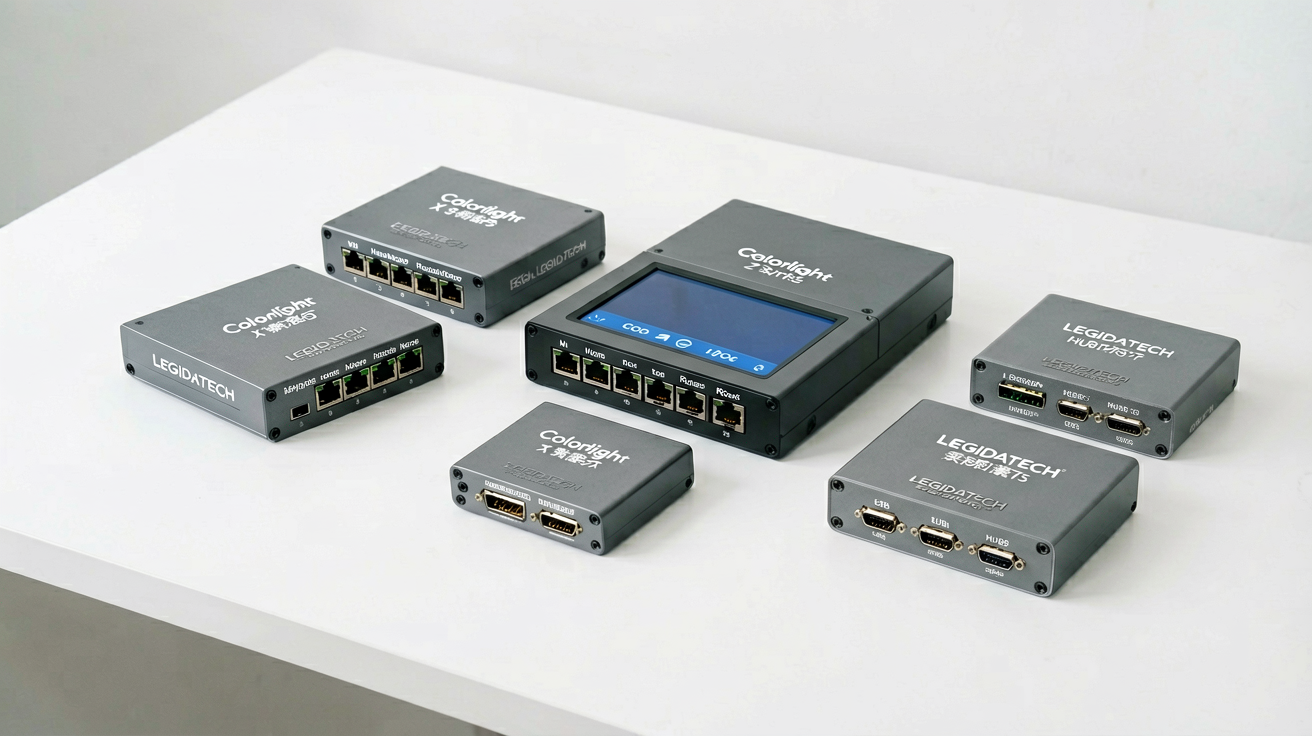
How a Colorlight LED Control System Works
The sending card receives video → processes and scales → splits across Ethernet ports → receiving cards decode signals → LED driver ICs illuminate pixels in perfect synchronization.
2. Colorlight Product Categories
Colorlight’s product ecosystem spans three integrated categories — from signal input to pixel drive — plus two free software platforms.
3. X Series — LED Sending Cards
Factory-direct Colorlight X Series sending cards — sourced directly and pre-tested with LED display systems.
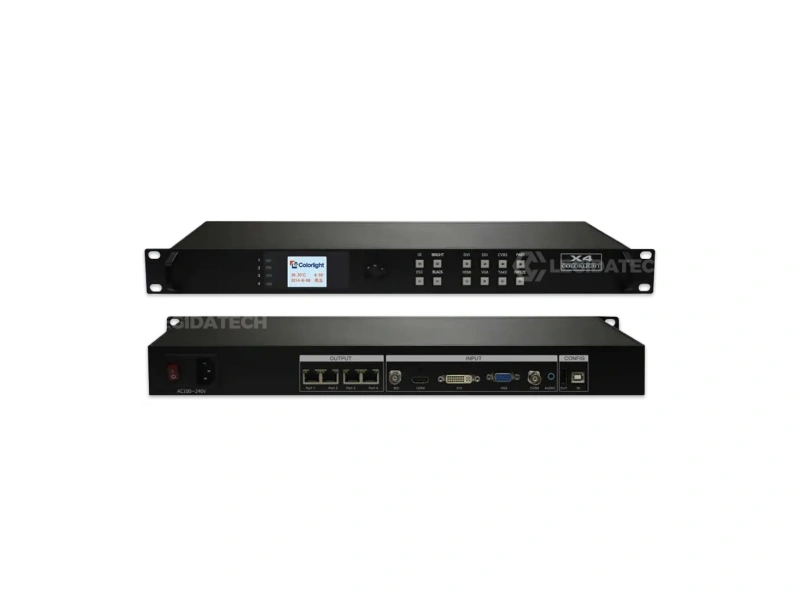
- 1.31 Million Pixels Max Load
- HDMI + DVI Input | 2× RJ45 Outputs
- 1920×1200@60Hz Max Resolution
- Compact & Cost-Efficient
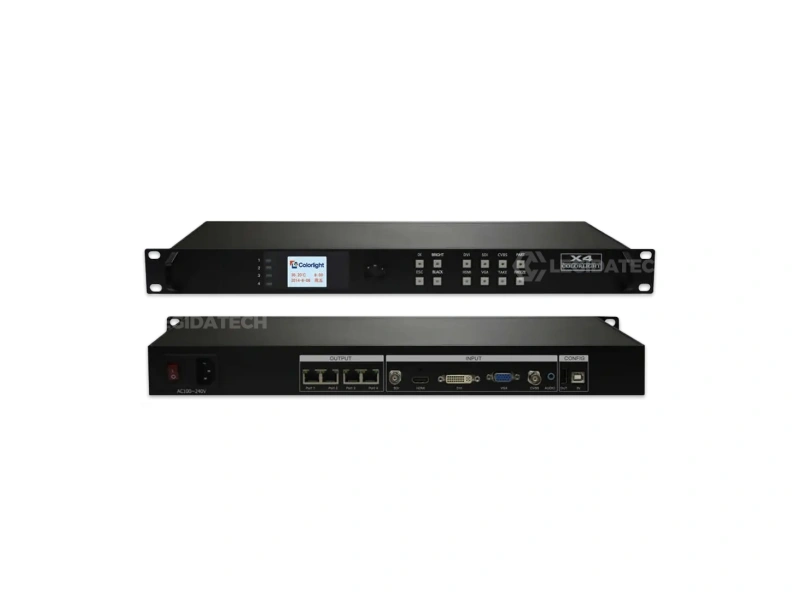
- 2.3 Million Pixels Max Load
- 5 Inputs: SDI/HDMI/DVI/VGA/CVBS
- 4× Gigabit Ethernet Outputs
- Integrated Video Processing
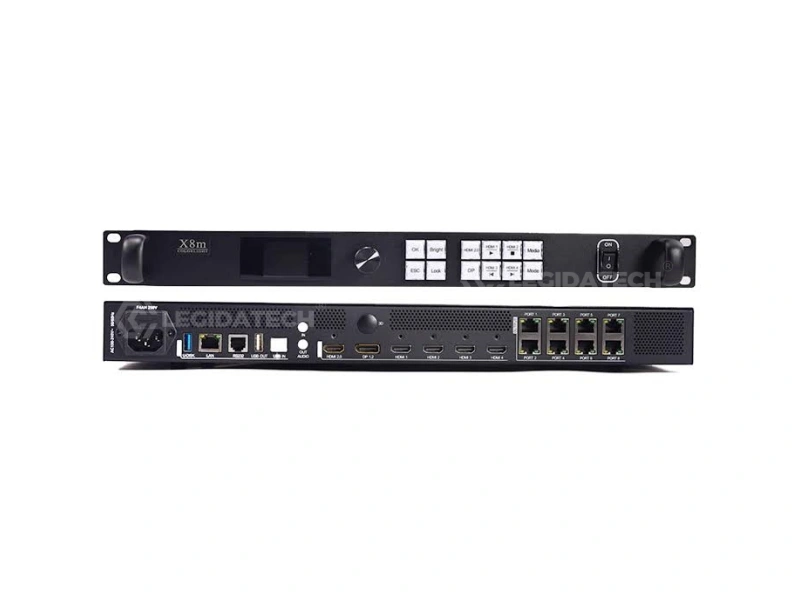
- 5.24 Million Pixels Max Load
- SDI + HDMI + DVI Inputs
- 8× Gigabit Ethernet Outputs
- 3840×1080 Ultra-Wide Support
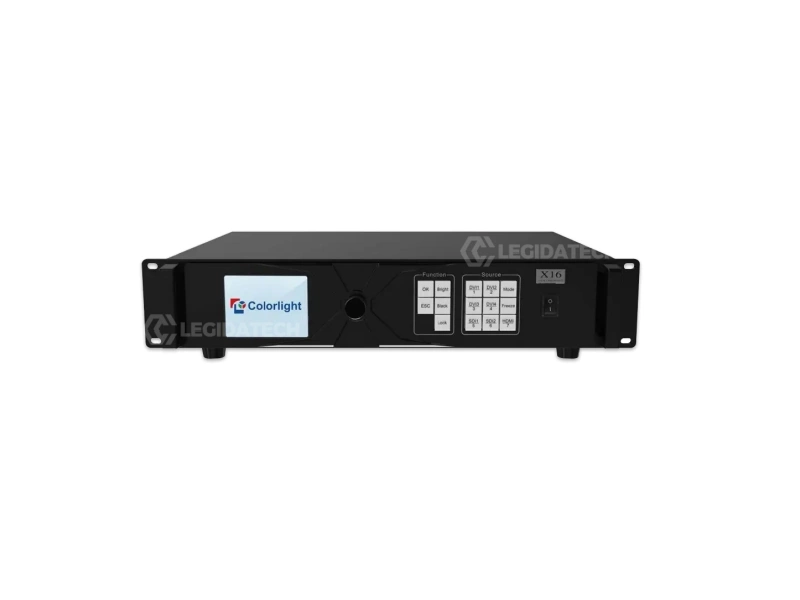
- 10.48 Million Pixels Max Load
- SDI/HDMI/DVI/DP Inputs
- 16× Gigabit Ethernet Outputs
- 4096×2160@60Hz 4K Ready
Z Series — Integrated Video Processor + Sender
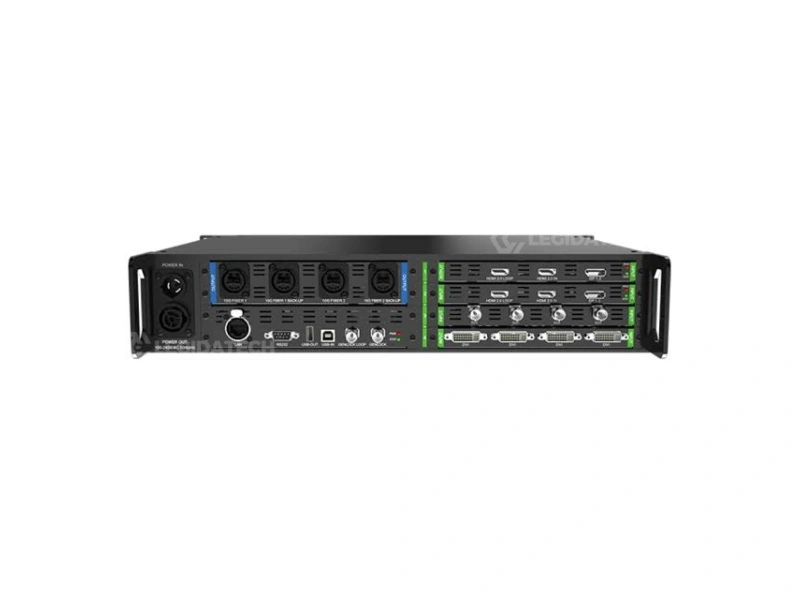
- 8.88 Million Pixels Max Load
- 6× RJ45 + 2× Fiber Outputs
- SDI, HDMI 2.0, DVI, DP Inputs
- HDR10 / 240Hz / ST2110 Support
- Built-in Video Scaling & Multi-Layer Compositing
i Series — LED Receiving Cards
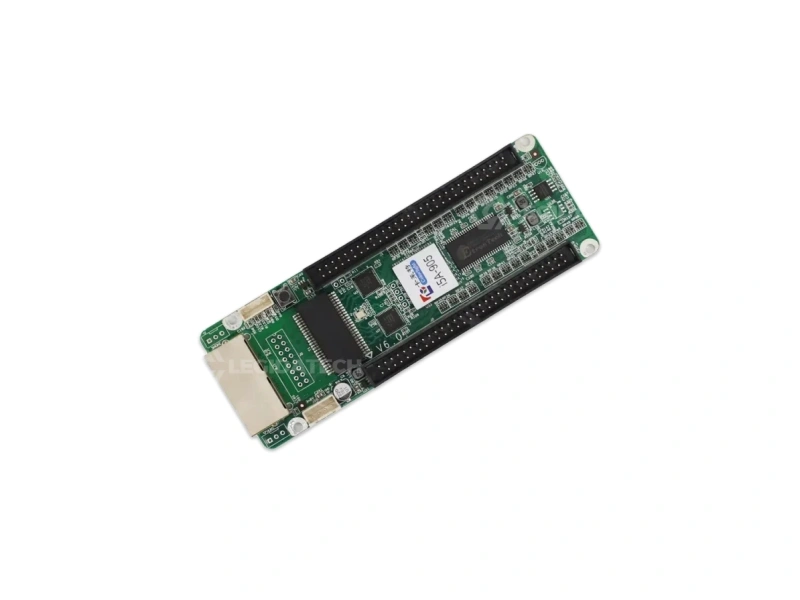
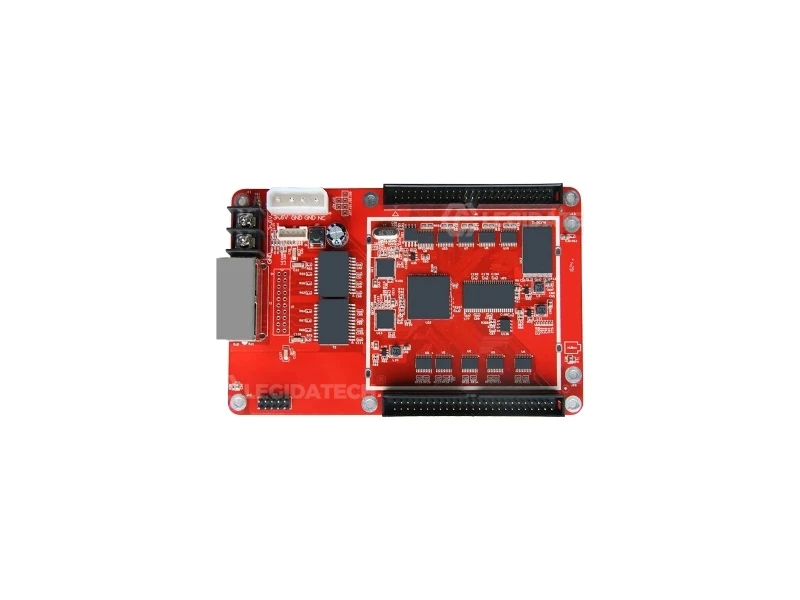
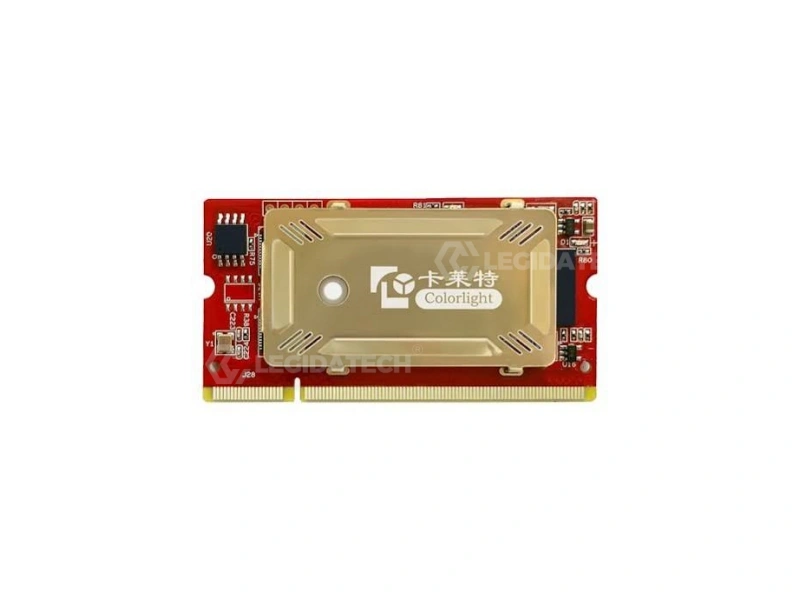
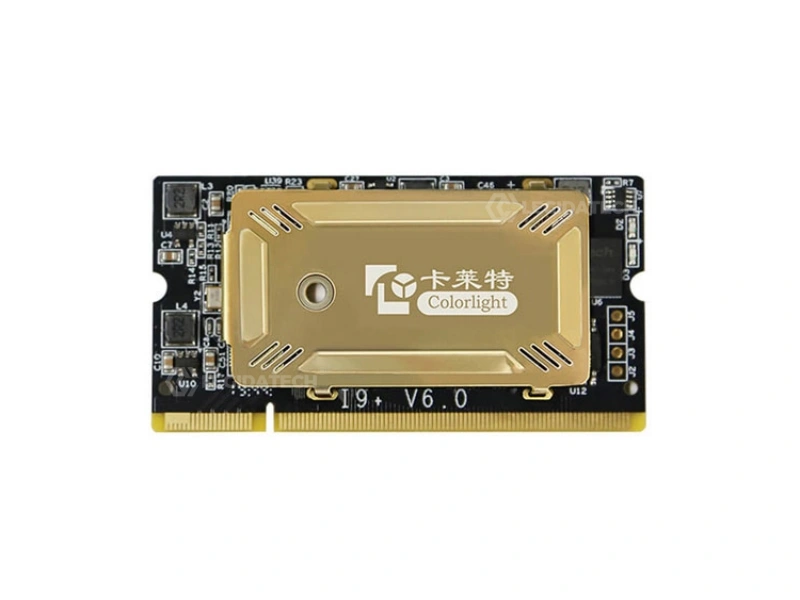
- 512×512 / 512×1024 Px/Card
- HUB75 ×2 / ×4 Interface
4. Complete Product Comparison — 10 Models
Click any model name to visit its full specification page with detailed images and factory pricing.
| Model | Series / Type | Pixel Capacity | Ethernet Ports | Video Inputs | Max Resolution | Best Application |
|---|---|---|---|---|---|---|
| X2 View → | X / Sending Card | 1,310,720 | 2× RJ45 | HDMI, DVI | 1920×1200@60Hz | Small signage, retail posters |
| X4 View → | X / Sending Card | 2,300,000 | 4× RJ45 | SDI, HDMI, DVI, VGA, CVBS | 1920×1200@60Hz | Mid-size commercial, corporate |
| X8m View → | X / Sending Card | 5,240,000 | 8× RJ45 | SDI, HDMI, DVI | 3840×1080@60Hz | Wide fascia, stadium ribbons |
| X16 View → | X / Sending Card | 10,485,760 | 16× RJ45 | SDI, HDMI, DVI, DP | 4096×2160@60Hz | 4K LED walls, broadcast, XR |
| Z6 Pro G2 View → | Z / Video Processor | 8,880,000 | 6× RJ45 + 2× Fiber | SDI, HDMI 2.0, DVI, DP | 4096×2160@60Hz | Live events, broadcast, premium rental |
| i5A-905 View → | i / Receiving Card | 256×512/card | HUB75 ×1 | From sender | — | General indoor/outdoor modules |
| i5A-F View → | i / Receiving Card | 256×512/card | HUB75 ×2 | From sender | — | Fine-pitch, high-refresh |
| i6 View → | i / Receiving Card | 384×512/card | HUB75 ×2 | From sender | — | Mid-pitch, cost-optimized |
| i9 View → | i / Receiving Card | 512×512/card | HUB75 ×2 | From sender | — | Fine-pitch COB, high-density indoor |
| i9+ View → | i / Receiving Card | 512×1024/card | HUB75 ×4 | From sender | — | Ultra-fine-pitch, XR virtual production |
5. Colorlight Software — LEDVISION & ColorlightCloud
Two free software platforms power every Colorlight controller — on-site configuration plus cloud-based remote management.
LEDVISION — Desktop Configuration
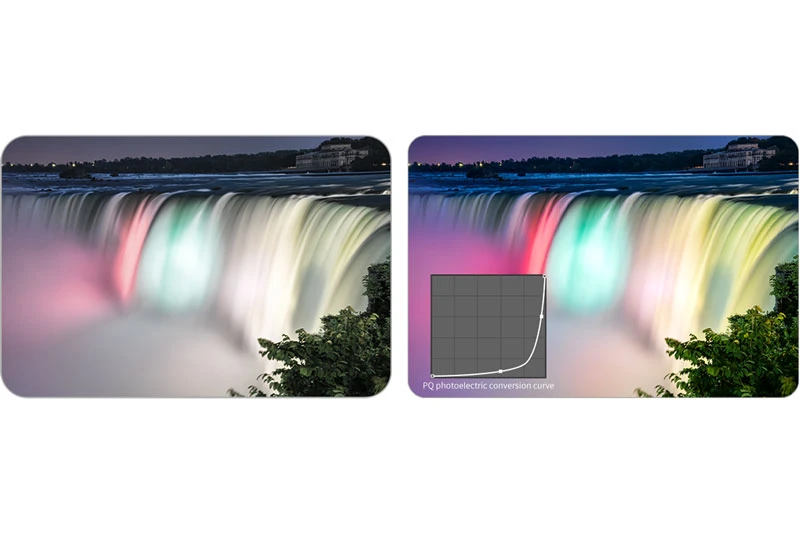
LEDVISION is the free Windows application for all on-site Colorlight controller configuration. It provides an intuitive interface for receiving card mapping, screen calibration, media playlist scheduling, and firmware management. The Intelligent Settings wizard can auto-detect many common LED module types — reducing setup time from hours to minutes.
- Module auto-detection with Intelligent Settings wizard
- RCVBP configuration file import/export
- Built-in test patterns (color bars, grayscale, grid)
- LD Upgrade tool for firmware batch updates
- Multi-screen management for complex installations
ColorlightCloud — Remote Management
ColorlightCloud connects your controllers to a cloud platform accessible from any web browser or mobile device. Publish content, schedule brightness, monitor screen health, and receive fault alerts — all remotely. For B2B clients managing displays across multiple locations, this eliminates on-site content update visits.
- Remote content publishing (video, images, playlists)
- Auto-brightness scheduling (30-40% power savings at night)
- Real-time temperature, voltage, signal integrity monitoring
- Multi-user permission management
- OTA firmware updates — no site visit needed
🎬 Full Colorlight Cloud Tutorial — Remote Control & Monitoring (38 min)
6. How to Set Up a Colorlight LED Display Controller
Three essential video tutorials — from basic screen configuration to advanced module settings, plus a factory demo from LEGIDATECH.
Step-by-step walkthrough — from cabling to first image on screen. 24K+ views.
Master the auto-detection wizard for fast, error-free module configuration.
Real LEGIDATECH production line demo — essential technician skill.
7. Colorlight vs NovaStar vs Huidu vs Linsn
An objective comparison for B2B buyers evaluating the four major LED control system brands.
- Market leader, 60-70% global share
- Most advanced feature set
- Strong rental/staging penetration
- 30-50% price premium over Colorlight
- NovaLCT steeper learning curve
- Public listed, strong global R&D
- Best price-to-performance ratio
- More intuitive LEDVISION software
- Native free ColorlightCloud
- 10.48M px max capacity (X16)
- Async playback specialist
- Budget-friendly pricing
- Smaller max pixel capacity (2.3M)
- Smaller global support network
- Less suitable for rental/broadcast
- Lowest entry price point
- Adequate for basic sync displays
- Limited cloud capability
- Older software interface
- Smallest product ecosystem
Deeper reading: What Is Huidu Control System? · What Is Linsn Control System? · LED Video Wall Controller Guide
8. Which Controller Fits Your Project?
Different LED display applications demand different controller configurations. We map each use case to the recommended Colorlight combination.
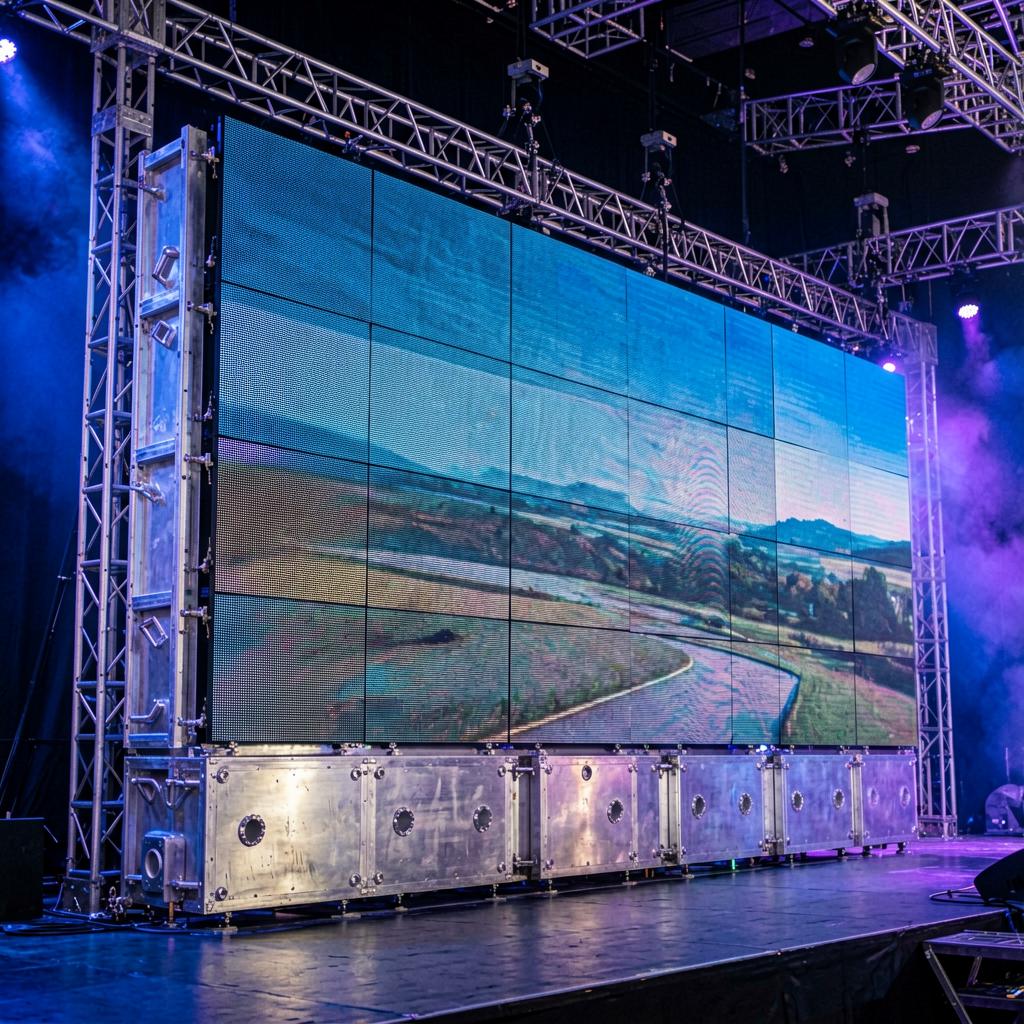
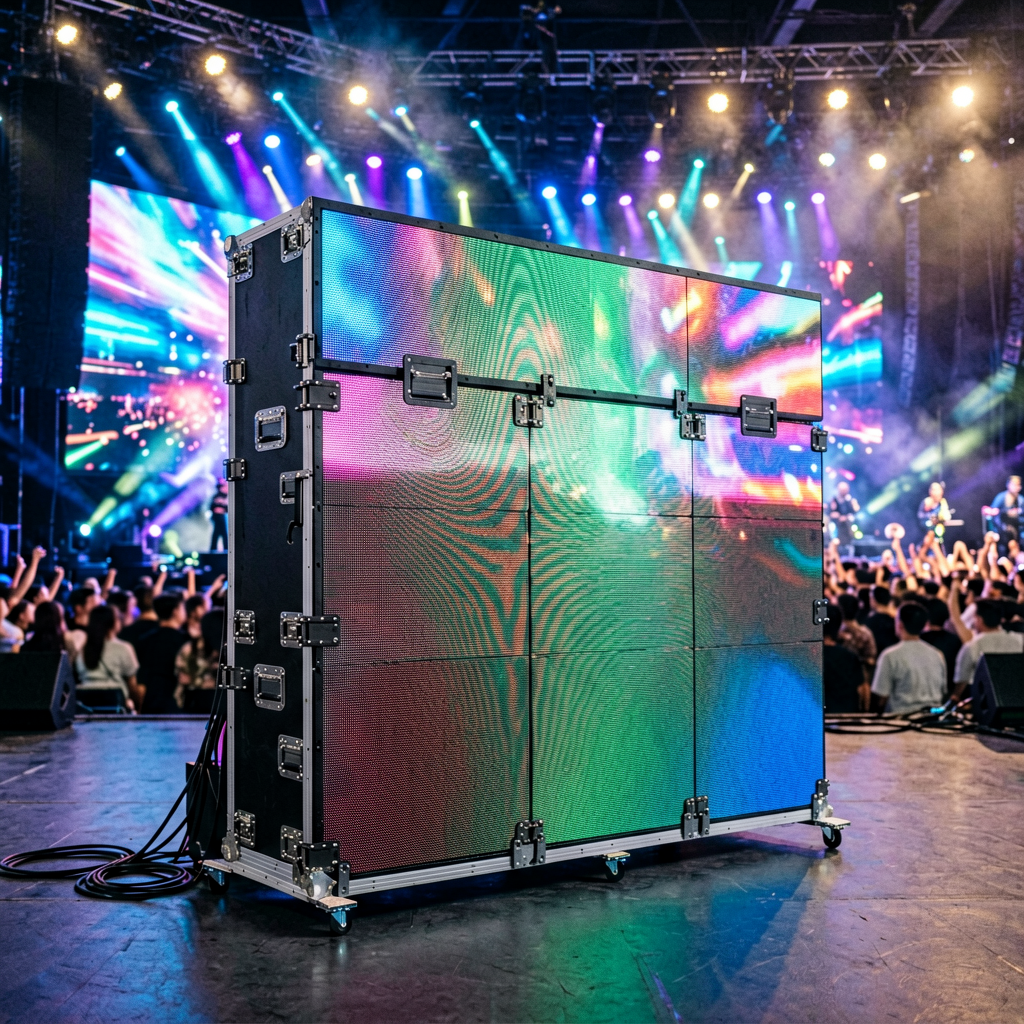
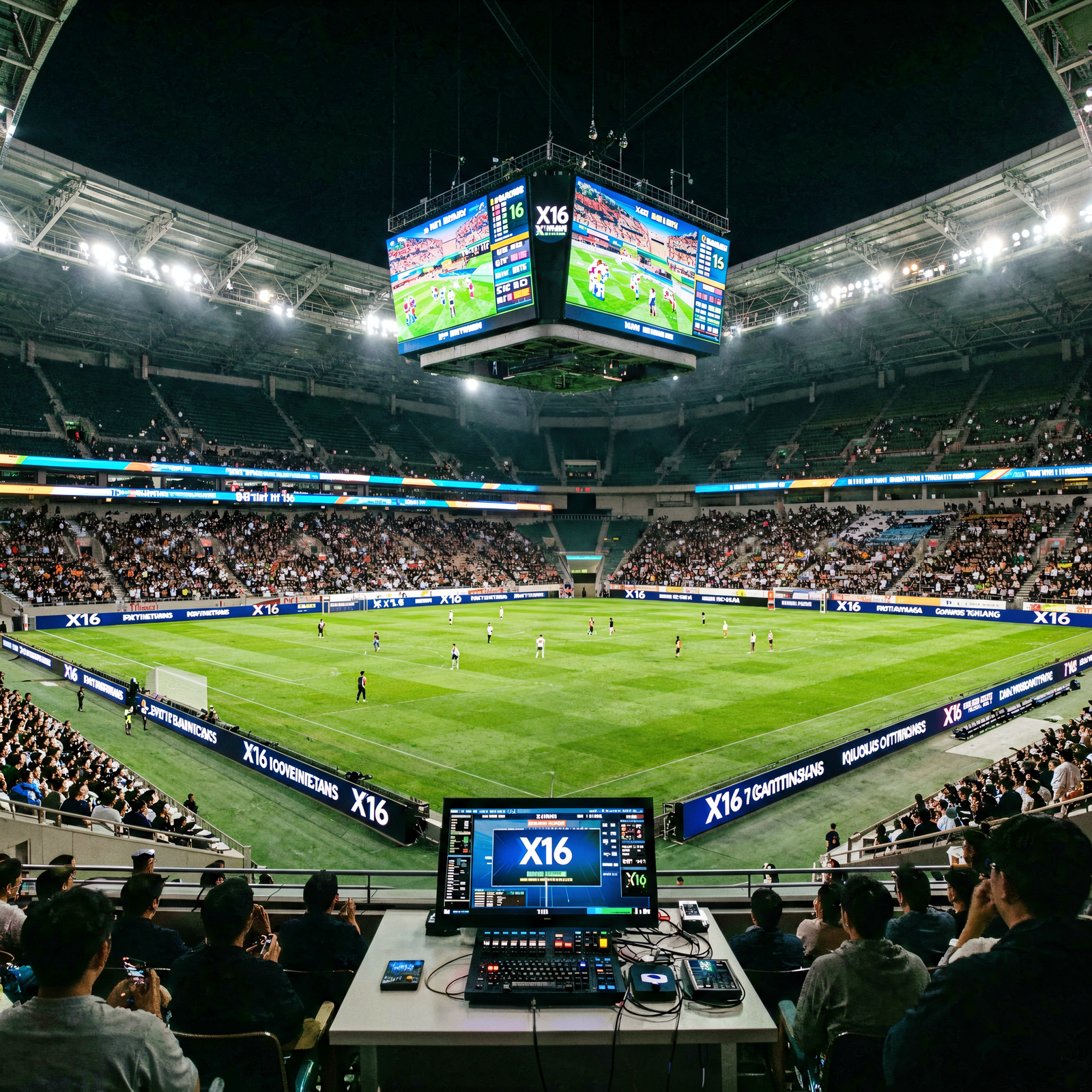
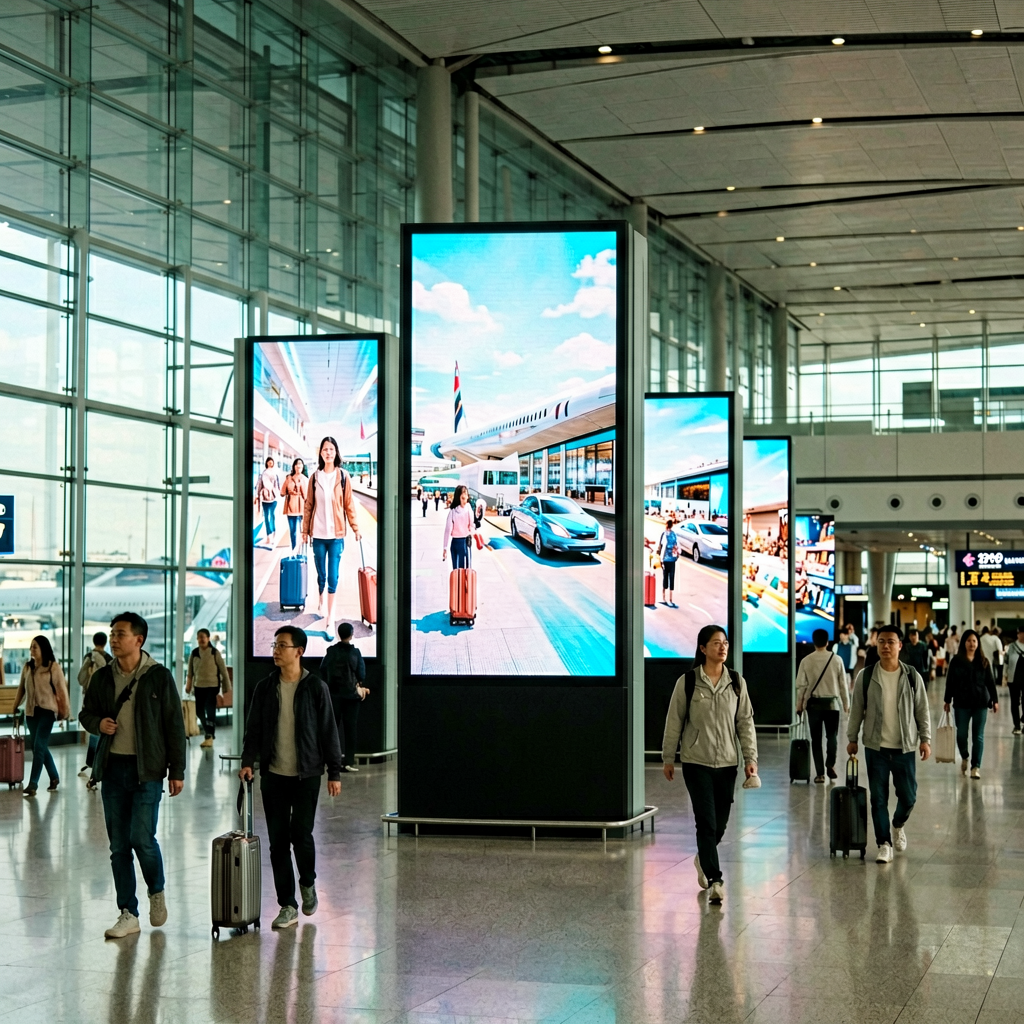
LED Displays Powered by Colorlight — From Our Factory to Your Project
Colorlight controllers are the brain. The LED display is the body. We manufacture both — and factory-test them together.
As an LED screen manufacturer with 15+ years of production experience, LEGIDATECH builds complete LED display systems — not just controllers. Every Colorlight controller we ship is pre-installed, configured, and tested inside the LED cabinet it will drive. Below are the LED display categories we manufacture, all compatible with the Colorlight controllers featured on this page.
9. Why Source Colorlight Controllers from LEGIDATECH?
When you buy controllers from an LED screen manufacturer, every unit is tested with actual LED cabinets — not just standalone bench-tested.
10. Frequently Asked Questions
How to Build a Complete LED Display Control System in 2026: From Sending Card to Cloud Management
A technical guide for B2B buyers, system integrators, and LED display professionals evaluating Colorlight LED display controller solutions.
1. The Three-Tier Control Architecture
Every professional LED display relies on a three-tier control architecture: signal input → video processing → pixel distribution. The first tier — signal input — is handled by a sending card that connects to your video source via HDMI, DVI, SDI, or DisplayPort. The second tier — video processing — may be integrated into the sending card (X4/X8m/X16) or handled by a separate video processor (Z6 Pro G2). Processing includes scaling, color space conversion, gamma correction, and image enhancement. The third tier — pixel distribution — is the domain of receiving cards mounted on each LED module.
2. Sending Card Selection: Pixel Capacity Is Everything
The formula is straightforward: Screen Width (pixels) × Screen Height (pixels) = Total Pixel Count. Your sending card must have a rated capacity equal to or greater than this number. A conservative rule from our factory: never load a controller beyond 85% of its rated capacity — running at maximum leaves no margin for frame buffering.
- Small signage (≤720p): X2 (1.31M pixels)
- Standard 1080p: X4 (2.3M pixels) — the workhorse choice
- Ultra-wide or dual-1080p: X8m (5.24M pixels)
- 4K LED walls: X16 (10.48M pixels) — for broadcast and command centers
3. Receiving Card Strategy: Cost vs. Density Optimization
Each LED module needs one receiving card. Using a higher-capacity card like the i9+ (512×1024 pixels/card) lets you use fewer cards, reducing both hardware cost and wiring complexity. For a 1920×1080 display with 192×192mm modules (~50 modules): i5A-905 = ~25 cards vs i9+ = ~13 cards — nearly halving the card count. For fine-pitch displays (P2.5 and below), always use i9 or i9+. For standard outdoor (P5-P10), i5A-905 or i6 provide adequate capacity at the lowest per-card cost.
Key takeaway: The higher-capacity receiving card costs more per unit, but the total system cost is often lower when you factor in reduced card count, less cabling, and fewer potential failure points.
4. Software Configuration: LEDVISION in 5 Steps
Step 1 — Hardware detection: Connect the sending card to your PC. LEDVISION auto-detects the card model and firmware. Step 2 — Receiving card mapping: Enter the number of rows and columns of receiving cards. The Intelligent Settings wizard auto-detects common module types. Step 3 — Display parameters: Set resolution, refresh rate (1920Hz or 3840Hz typical), and brightness. Step 4 — Color calibration: Adjust white balance, gamma, and brightness uniformity. Import .rcfgx calibration files for professional deployments. Step 5 — Content testing: Use built-in test patterns to verify correct function before live content.
5. Cloud Management: Why It Matters in 2026
ColorlightCloud enables: remote content publishing from anywhere, auto-brightness scheduling (reducing power 30-40% at night), real-time health monitoring (temperature, voltage, signal), multi-user management, and OTA firmware updates without site visits. For B2B clients managing more than 3-5 displays, the operational savings from cloud management alone typically justify the investment within the first year.
6. System Reliability: Redundancy Matters
For mission-critical applications, Colorlight supports dual-sender backup: two sending cards receive the same video input. If the primary fails, the backup takes over within a single frame (16.7ms) — invisible to the audience. Select i Series models (i9, i9+) also support dual data path redundancy: each card accepts data from two separate Ethernet paths, continuing operation without interruption if one cable is damaged.
7. Industry Trends Shaping LED Controllers
5G receiving cards — Colorlight’s next-gen cards move toward 5Gbps Ethernet, enabling higher pixel density per cable. AI-powered calibration — next-gen LEDVISION uses machine learning to analyze camera captures and auto-generate correction coefficients in minutes. Integrated media playback — controllers increasingly store and play content directly, eliminating external PCs for simple signage. Sustainability compliance — cloud-connected controllers that log power consumption help B2B buyers meet EU and North American energy reporting requirements.
8. Conclusion: Your Colorlight Control System
Building a reliable LED display control system in 2026 comes down to matching pixel capacity, optimizing receiving card density, leveraging cloud management, and planning for redundancy. The Colorlight ecosystem — X Series senders, Z Series processors, i Series receivers, LEDVISION, and ColorlightCloud — provides a complete, integrated solution.
As an LED screen manufacturer that integrates Colorlight controllers daily, LEGIDATECH recommends investing in the highest-capacity sending card your project may need in the next 3 years. Pair it with appropriately spec’d receiving cards, enable ColorlightCloud from day one, and you’ll have a display control system ready for 2028 and beyond. For complete pricing, see our Colorlight LED controller price guide 2026 →
Related Resources & Guides
Get Your Custom Colorlight Control System Quote
Tell us your LED display dimensions and application. Our engineers will recommend the optimal Colorlight LED display controller configuration — factory-tested with your LED cabinets before shipment.
📧 legidatechled@gmail.com · 📞 +86-185-69492693 · Response within 2-4 hours
LED Control System Hub Network
This page is part of the LEGIDATECH LED control system knowledge hub. Compare all four major control system brands in one place.
Explore the LED Control System Hub →