


LED Display Products Hub
LED Display Products
LEGIDATECH is a professional LED screen factory and LED display manufacturer. Explore our full product range — indoor fixed LED displays, outdoor advertising LED displays and stage rental LED displays — plus fine-pitch, COB, poster, transparent and creative LED screens, all built and configured in our factory and shipped worldwide.
Core LED Display Products
Three core product lines cover most LED display projects. Each category page holds the full series range, specifications and factory pricing guidance.
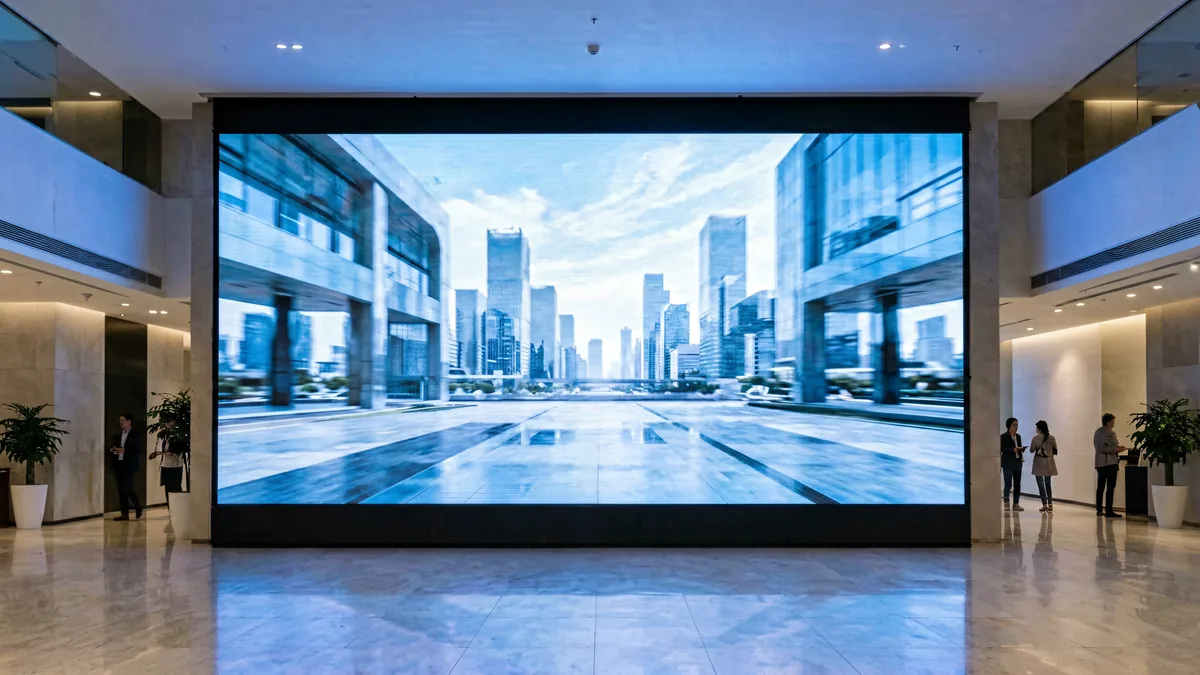
Indoor Fixed LED Display
- Product types: fine-pitch walls, H/E/Ehonor/EPROUND fixed series, COB displays
- Typical pixel pitch: P1.2–P4 for close viewing; P4–P10 for halls and retail
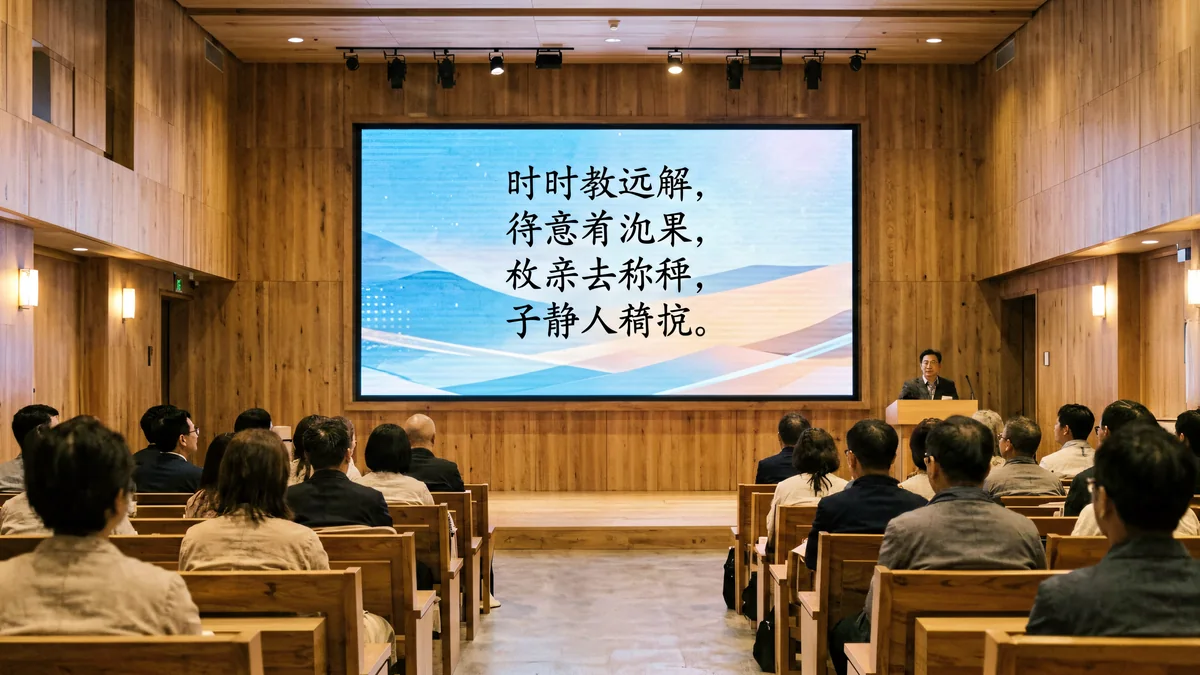
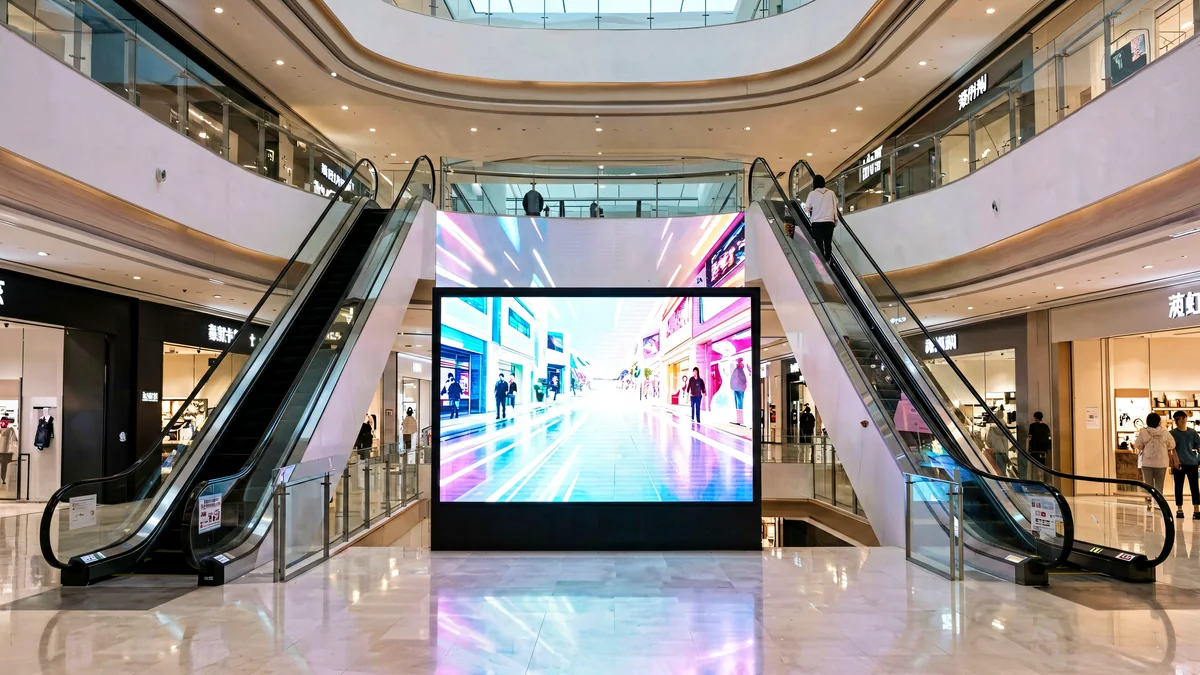
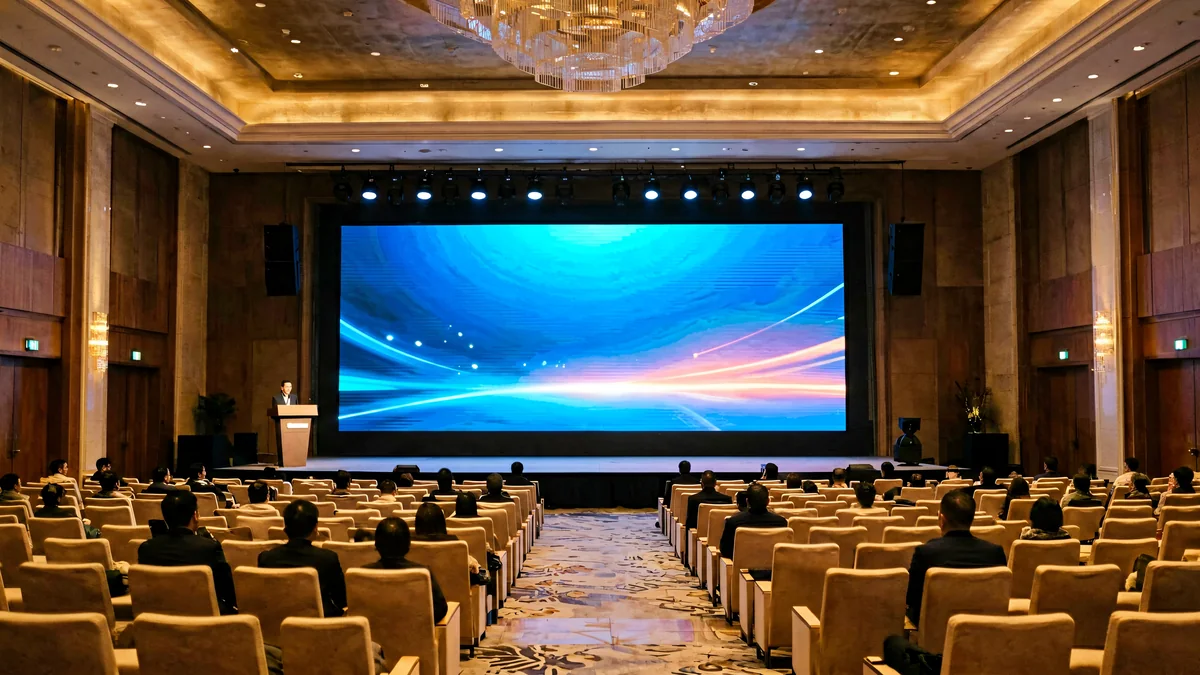
- Main applications: corporate lobbies, control rooms, retail, conference centers, churches
- Core advantages: high refresh and grayscale, front-maintenance options, slim cabinets
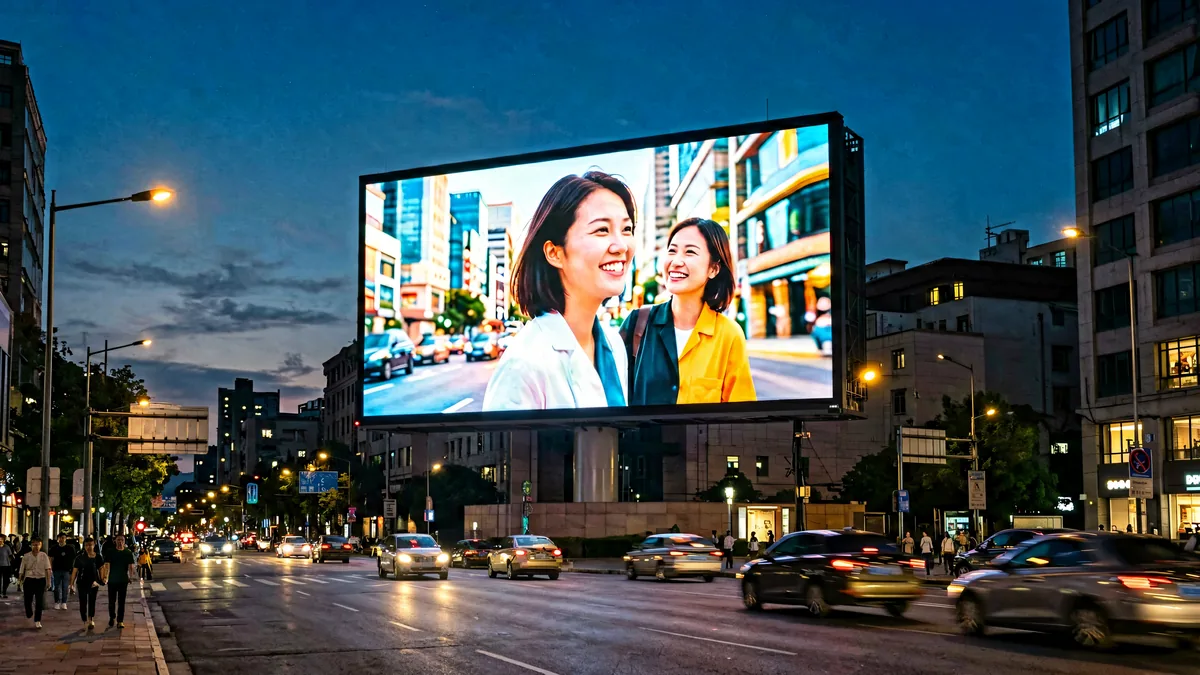
Outdoor Advertising LED Display
- Product types: DIP high-brightness billboards, AB/AC advertising series, B Pro series
- Typical pixel pitch: P4–P10 for street view; P10–P20 for long-distance billboards
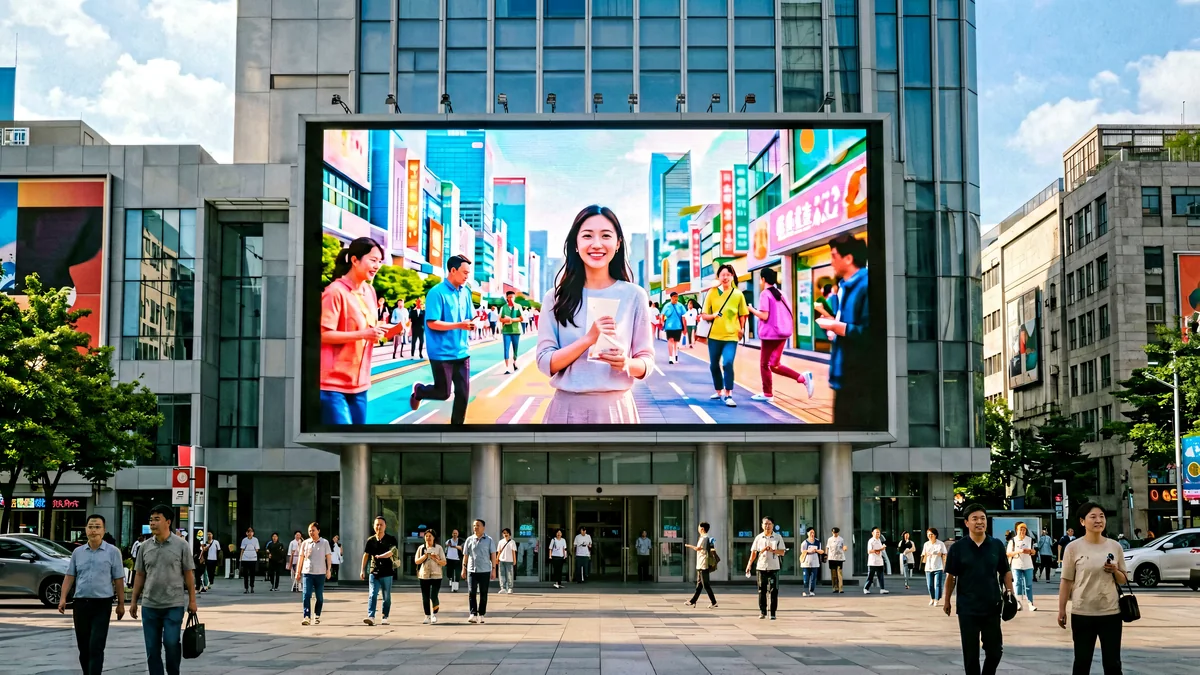
- Main applications: billboards, building facades, DOOH networks, transport hubs
- Core advantages: 7000+ nits brightness, IP65 waterproofing, 24/7 rated operation
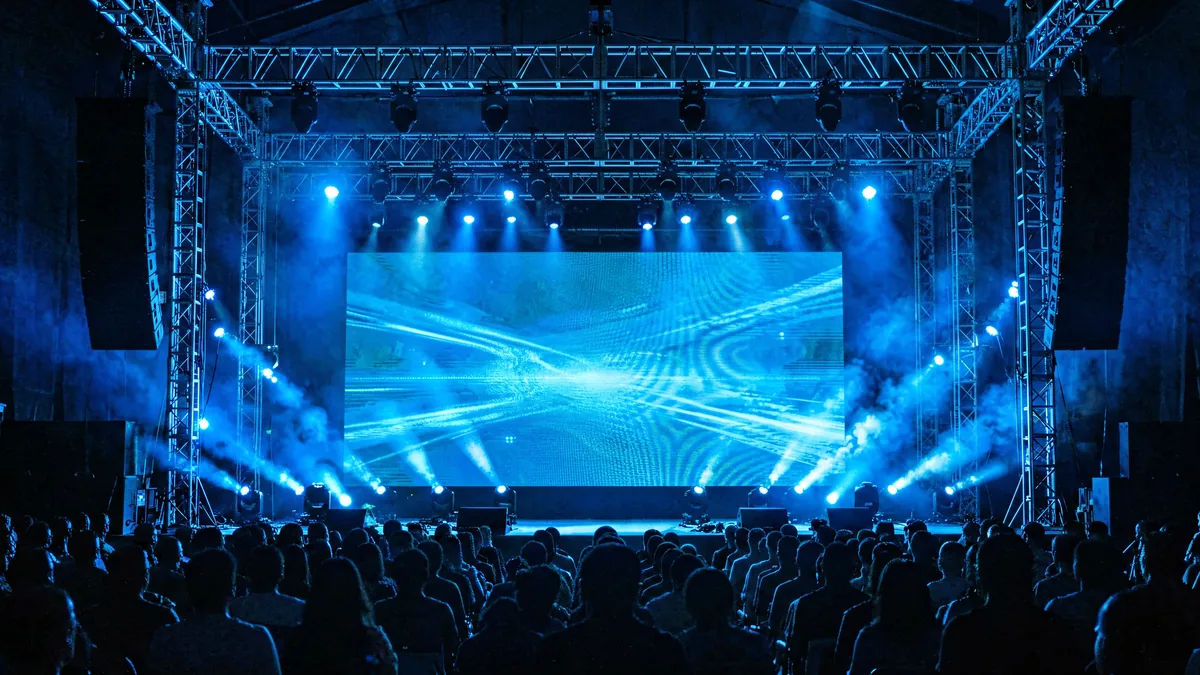
Stage Rental LED Display
- Product types: RA/RC/RB quick-lock series, Enova touring series, curved & ground-stack options
- Typical pixel pitch: P2.6–P4.8 for stage viewing; P3.9 the touring standard
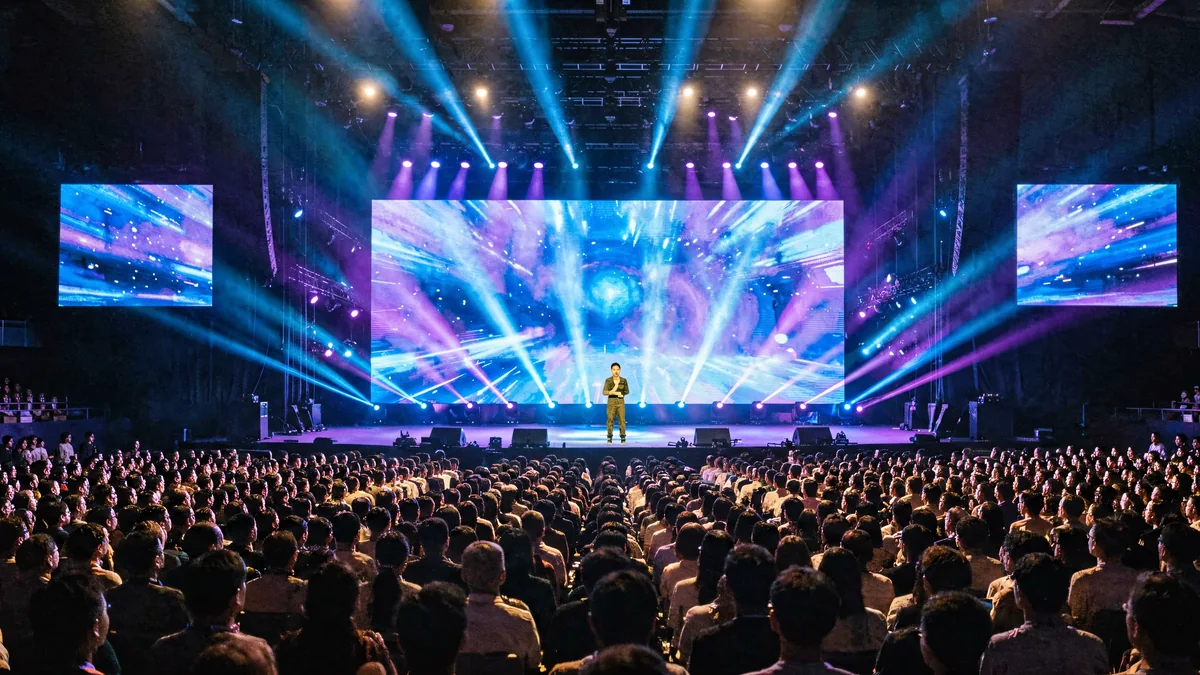
- Main applications: concerts, festivals, exhibitions, broadcast studios, events
- Core advantages: tool-free locking, flight-case packaging, redundant control, fast build times
More LED Display Product Types
Specialized product lines for specific applications — every category below links to a real product page.
Fine Pitch LED Display
P1.2–P1.8 small-pixel-pitch screens for control rooms, broadcast and premium corporate walls.
Fine Pitch LED Screens →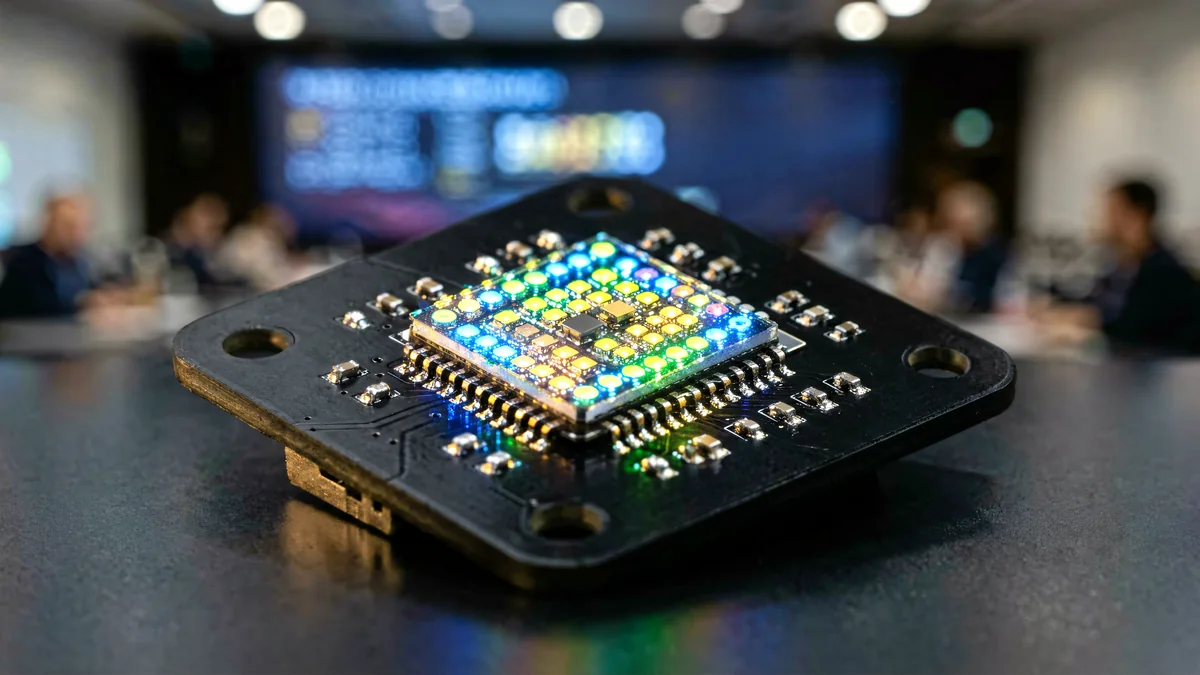
COB LED Display
Chip-on-board modules with wide viewing angles and high impact resistance — P1.25/P1.56/P2.6 series.
COB LED Modules →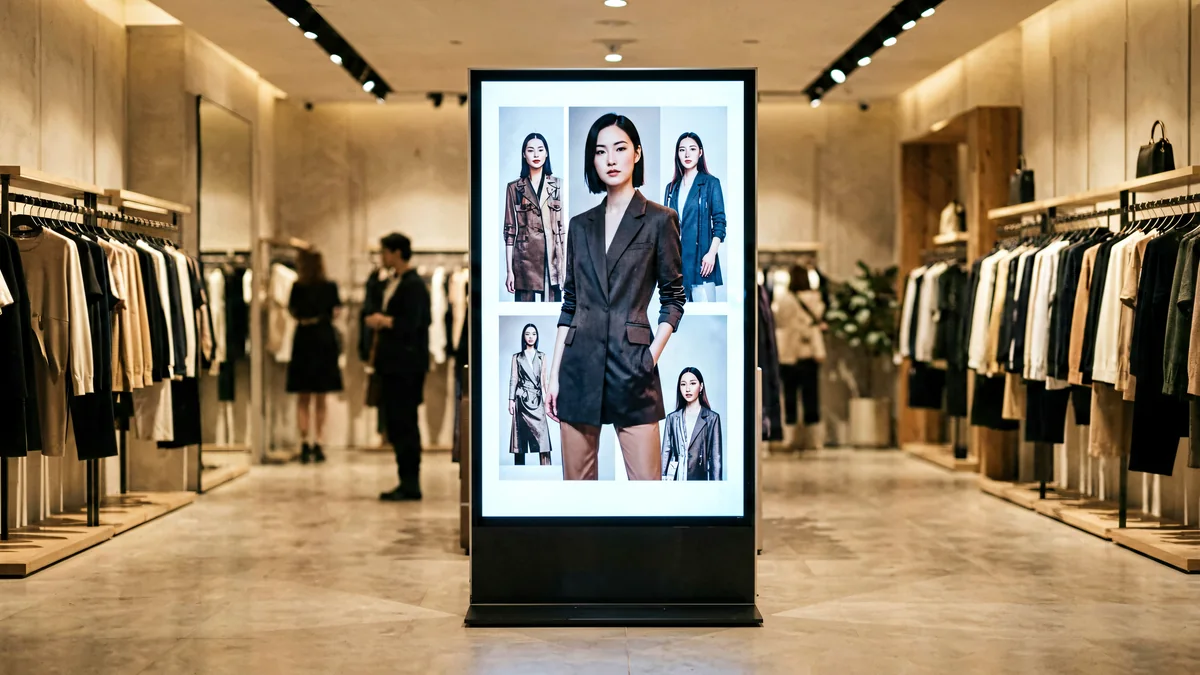
LED Poster Display
Free-standing and foldable poster screens for retail, lobbies and events — plug and play, no rigging.
LED Poster →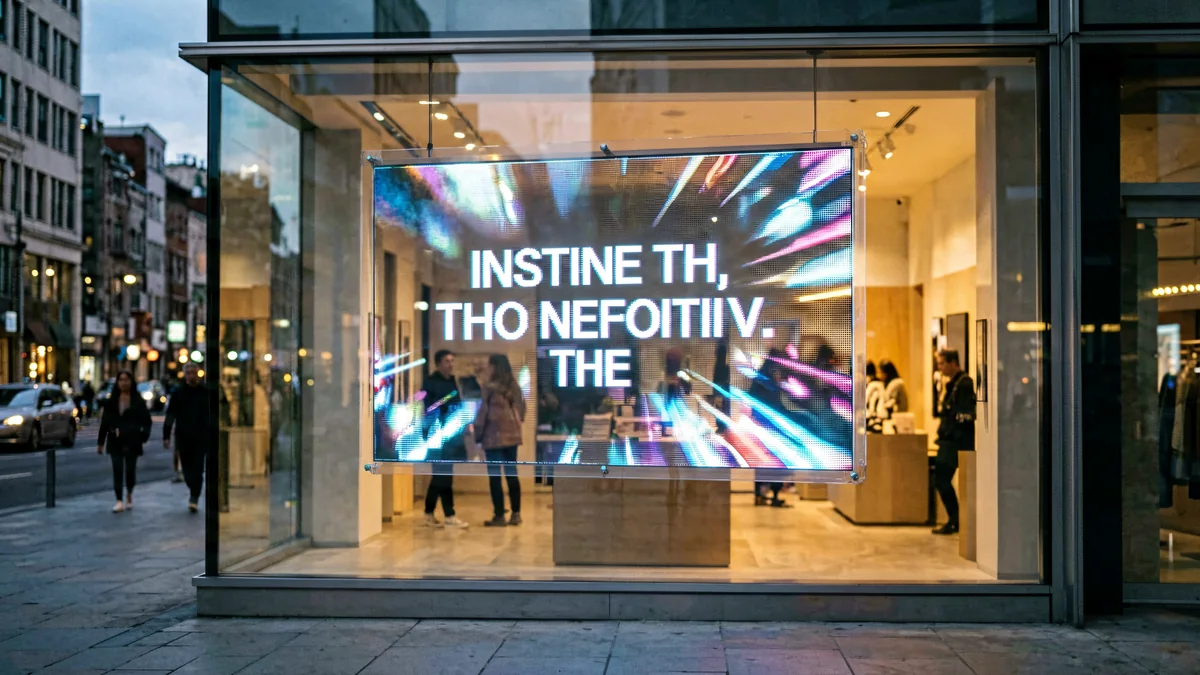
Transparent LED Display
See-through window displays for glass facades and retail storefronts — up to 80% transparency.
Transparent LED →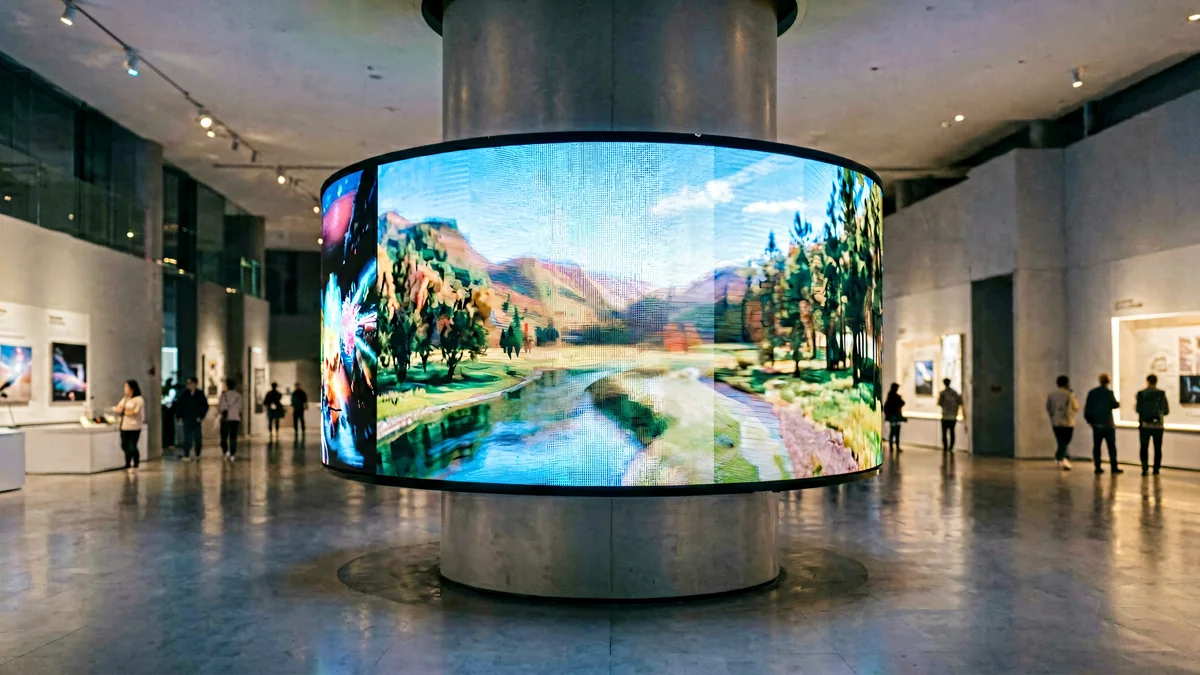
Flexible LED Display
Bendable P2–P4 modules for curved walls, columns and wave-shaped installations.
Flexible LED →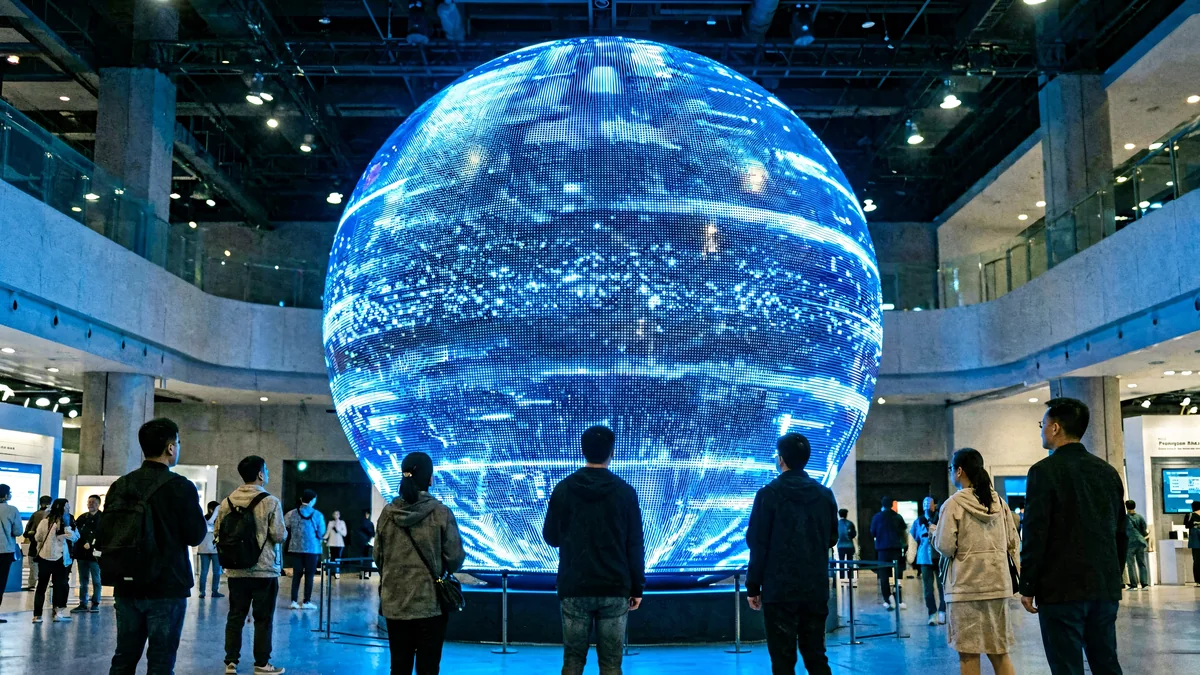
Creative LED Display
LED sphere, dance floor, magic cube and sky panels — non-standard shapes engineered in our factory.
LED Sphere → Dance Floor → Magic Cube →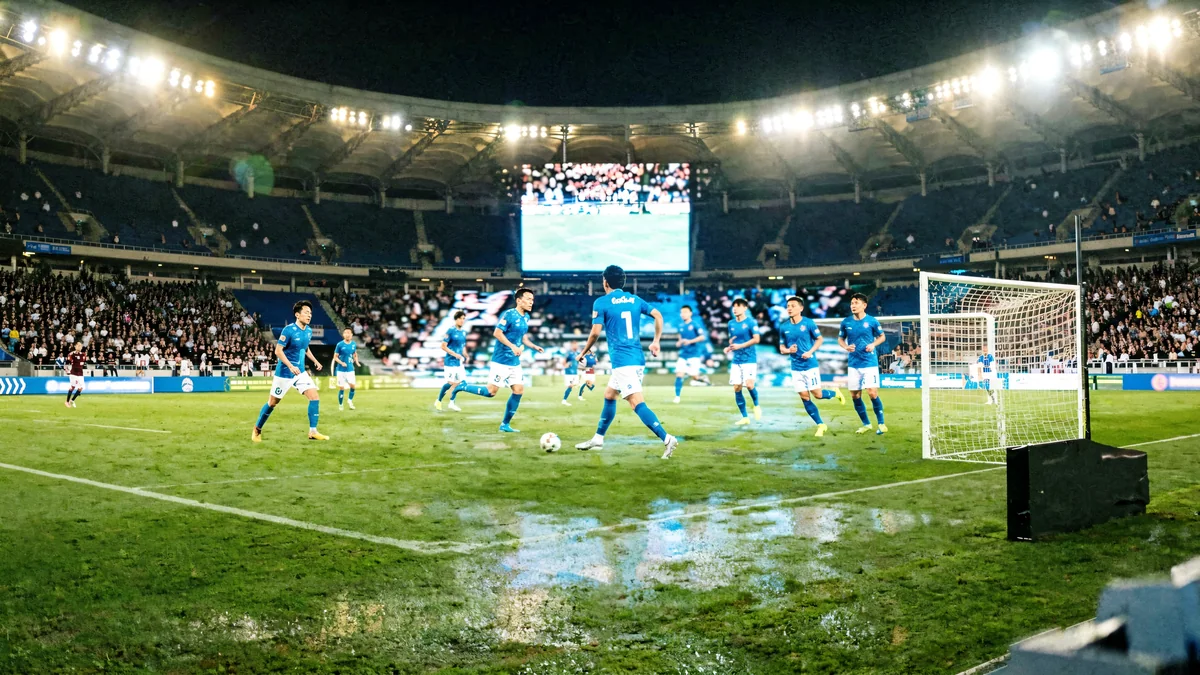
Stadium LED Display
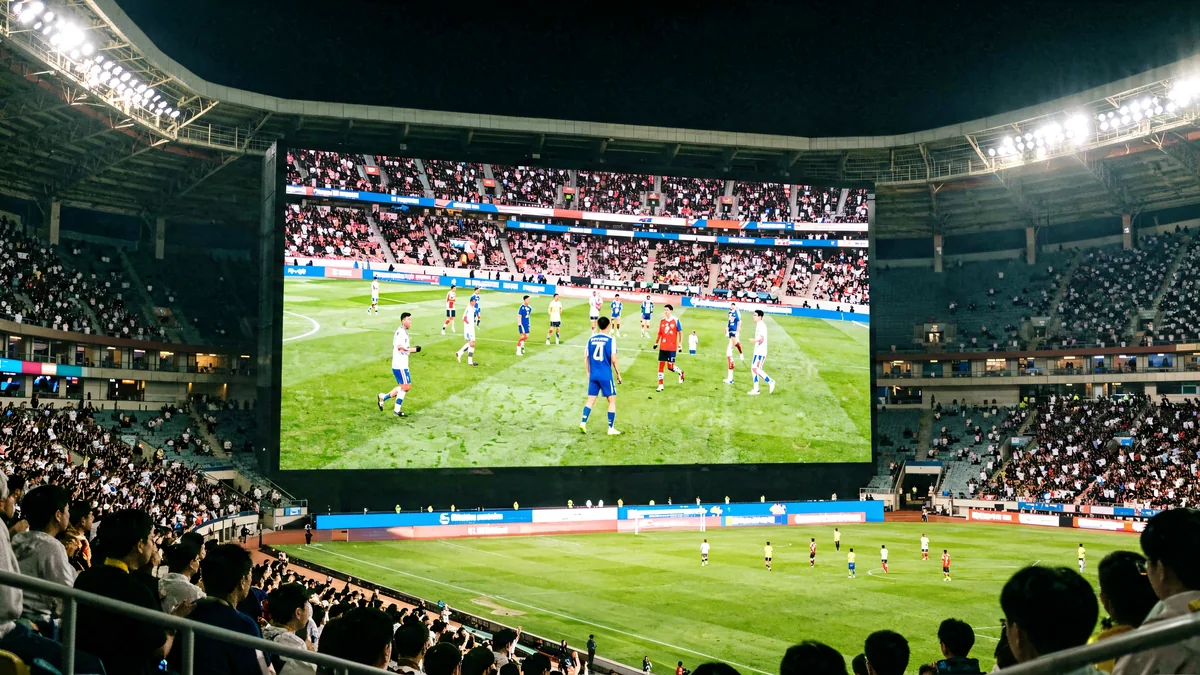
Perimeter boards and stadium screens with high refresh for broadcast cameras.
Stadium LED Screens →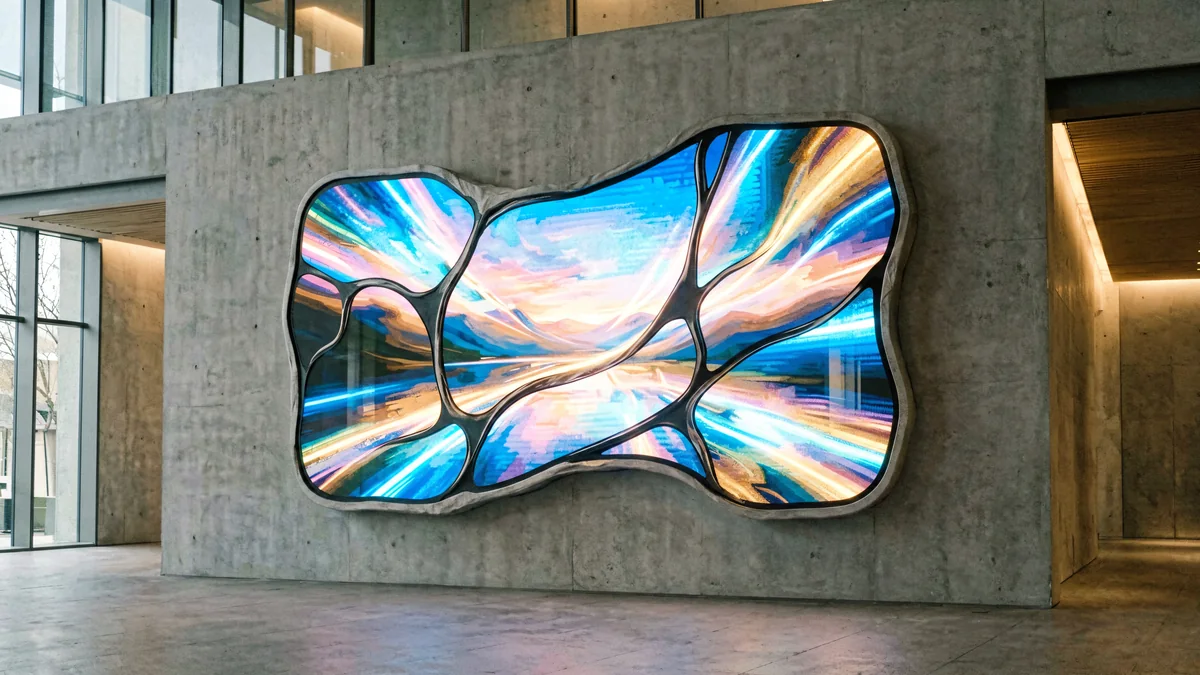
Custom LED Display
Custom sizes, shapes, brightness and control — engineered to your project specification.
Custom LED Display →LED Display Product Finder
Answer these seven questions in order and you will narrow the product range to the right type. For a factory specification, send us your project details.
| Question | Your Situation | Recommended Product Type |
|---|---|---|
| 1. Application | Live events, touring | Rental LED display (RA/RC/Enova series) |
| Permanent commercial or corporate | Indoor fixed LED display | |
| Street-facing advertising | Outdoor advertising LED display | |
| 2. Indoor or outdoor | Indoor | Standard brightness (800–1,500 nits) |
| Outdoor / window-facing | High brightness (4,500–7,000+ nits), IP65-rated | |
| 3. Fixed or rental | Fixed install | Fixed series with front or rear service |
| Rental / frequent setup | Quick-lock rental series with flight cases | |
| 4. Pixel pitch | Viewing from 2–4 m | P1.2–P1.9 fine pitch |
| Viewing from 4–8 m | P2.5–P3.9 | |
| Viewing from 8 m+ | P4–P10+ | |
| 5. Viewing distance | Rough rule: pitch (mm) ≈ minimum viewing distance (m) | Confirm with the chart in the choosing section below |
| 6. Installation | Wall-mounted, front-access | Front-maintenance series (Ehonor) |
| Structural / hanging / truss | Rental rigging or custom structure | |
| 7. Maintenance | Difficult access | Front-service cabinets; modular spare parts |
| 24/7 operation | Industrial-rated outdoor series + remote monitoring |
Featured LED Display Products
Representative models from each core product line — follow the links for full specifications and factory pricing guidance.
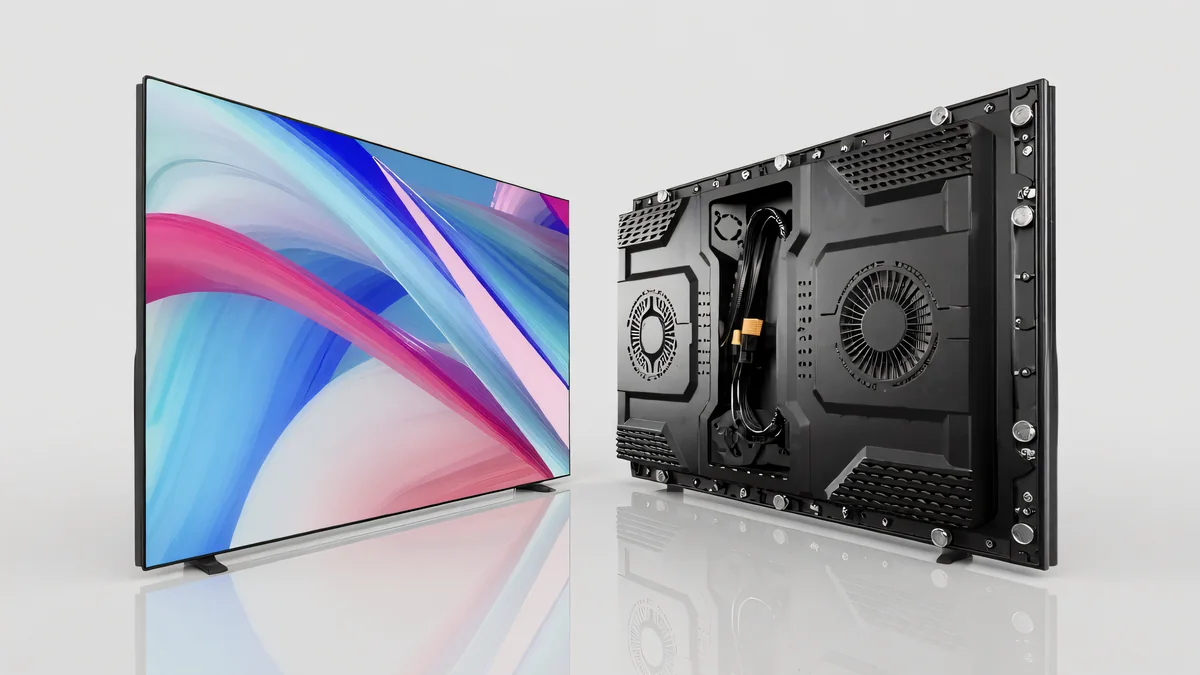
Ehonor Series — 480×320mm
Front-service indoor fixed LED screen, magnetic module design, P2.5–P3.9 options. A workhorse for churches, retail and lobbies.
Ehonor Series →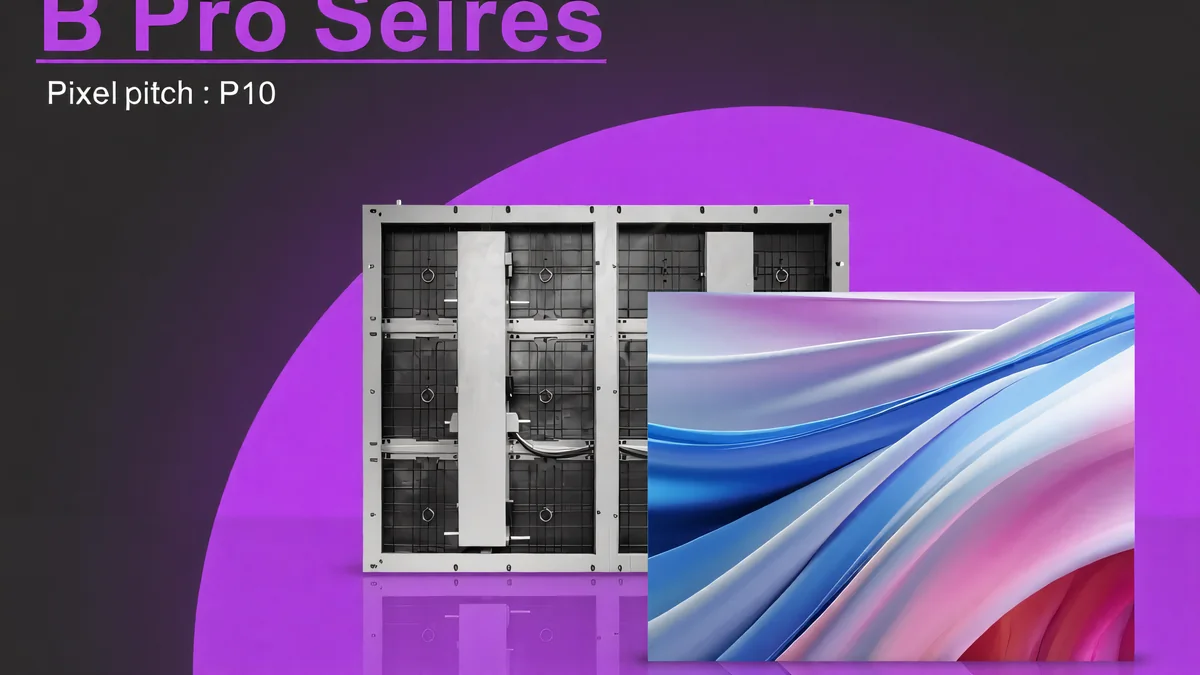
B Pro Series — Outdoor Billboard
DIP high-brightness outdoor billboard series for street and long-distance advertising, IP65 waterproof.
B Pro Series →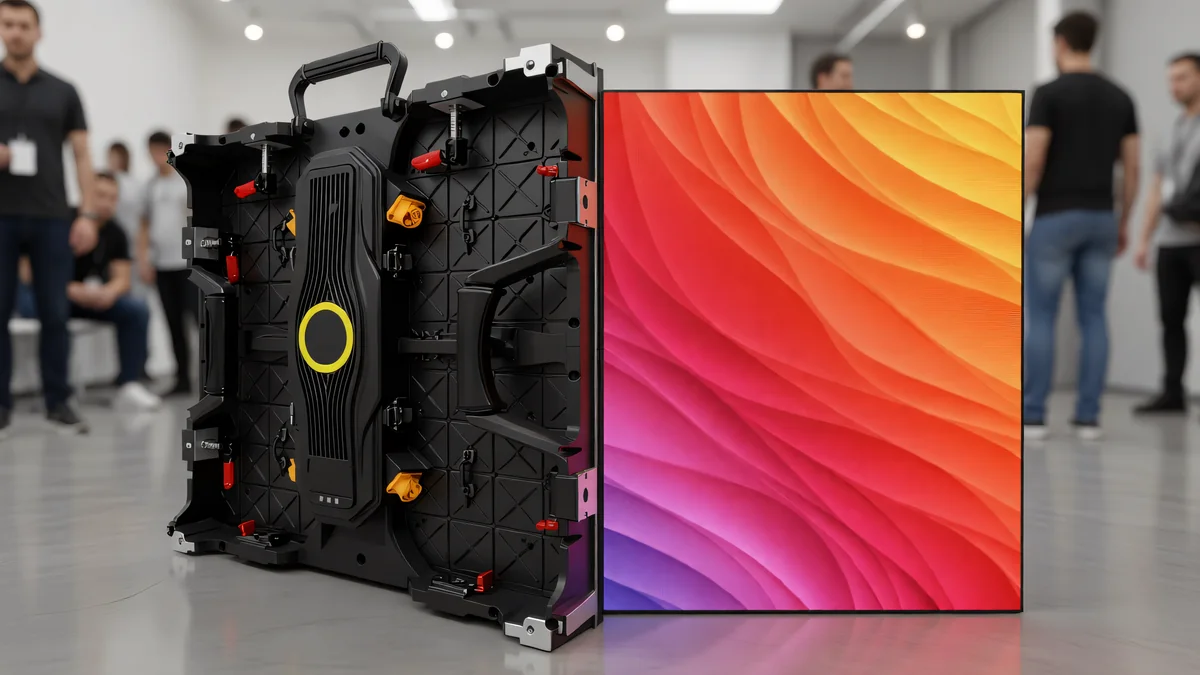
Magic Series — Stage Rental
Tool-free quick-lock rental series for concerts and events, curved options, flight-case packaging.
Magic Series →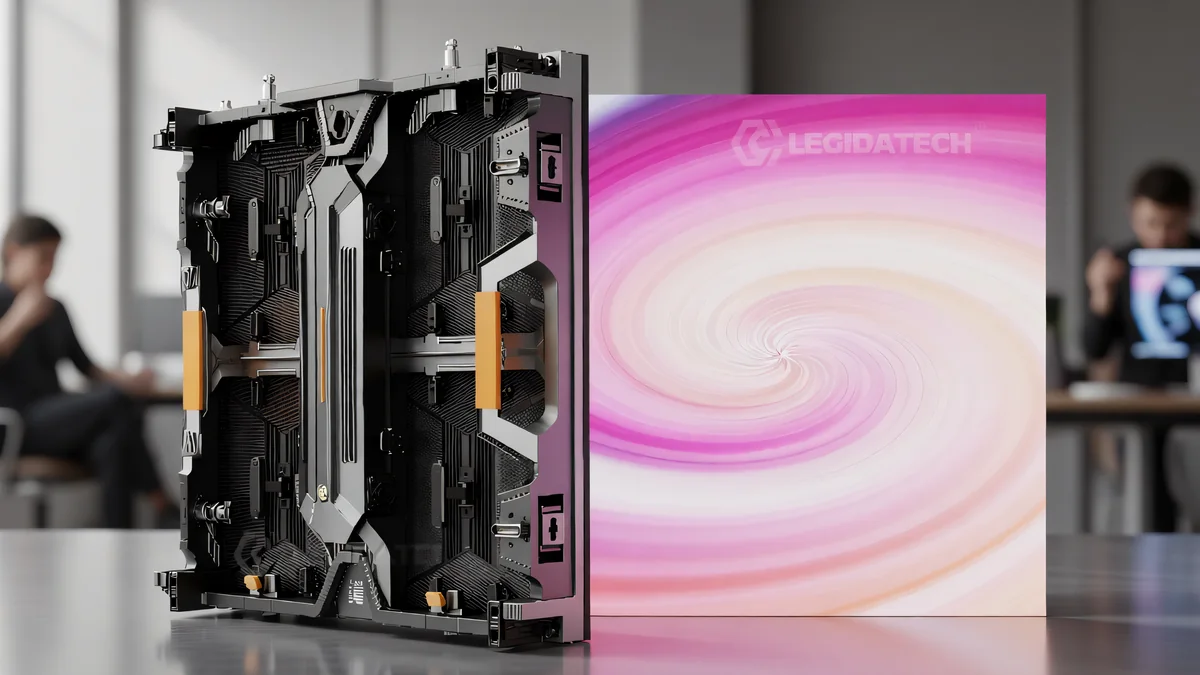
Enova Pro — Touring Rental
Heavy-duty touring rental series for festivals and broadcast, quick build and redundant control.
Enova Pro Series →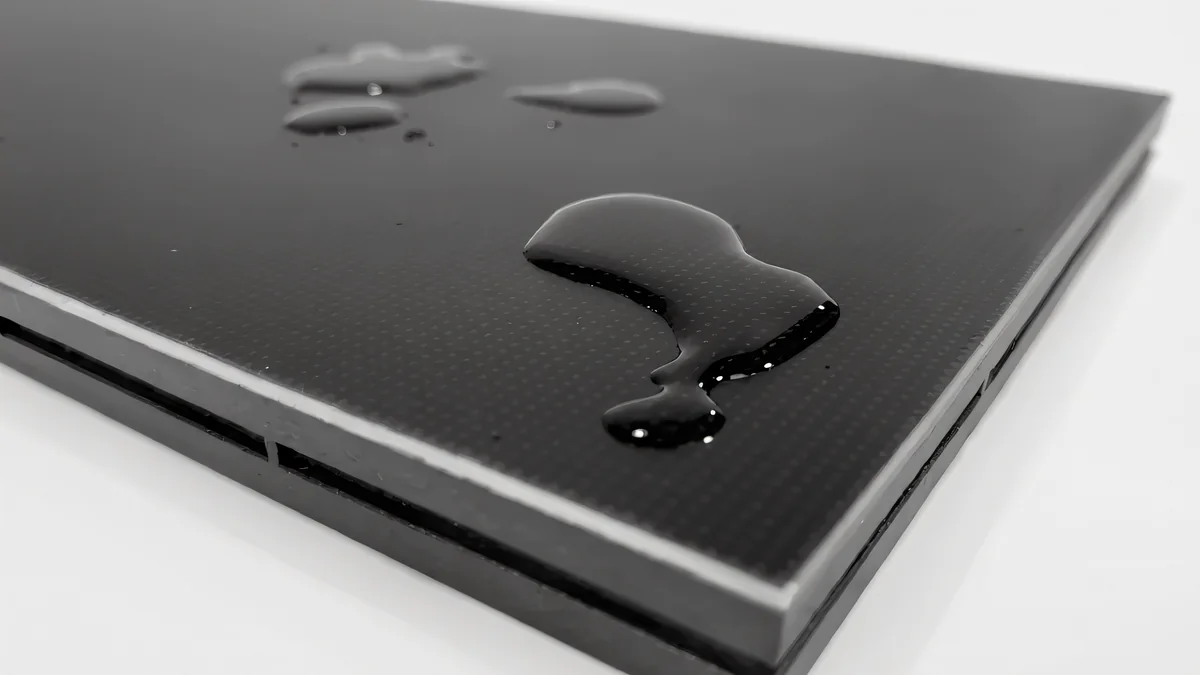
COB P1.25 Module
Chip-on-board module for fine-pitch walls: wide viewing angle, high impact resistance, deep black surface.
COB P1.25 →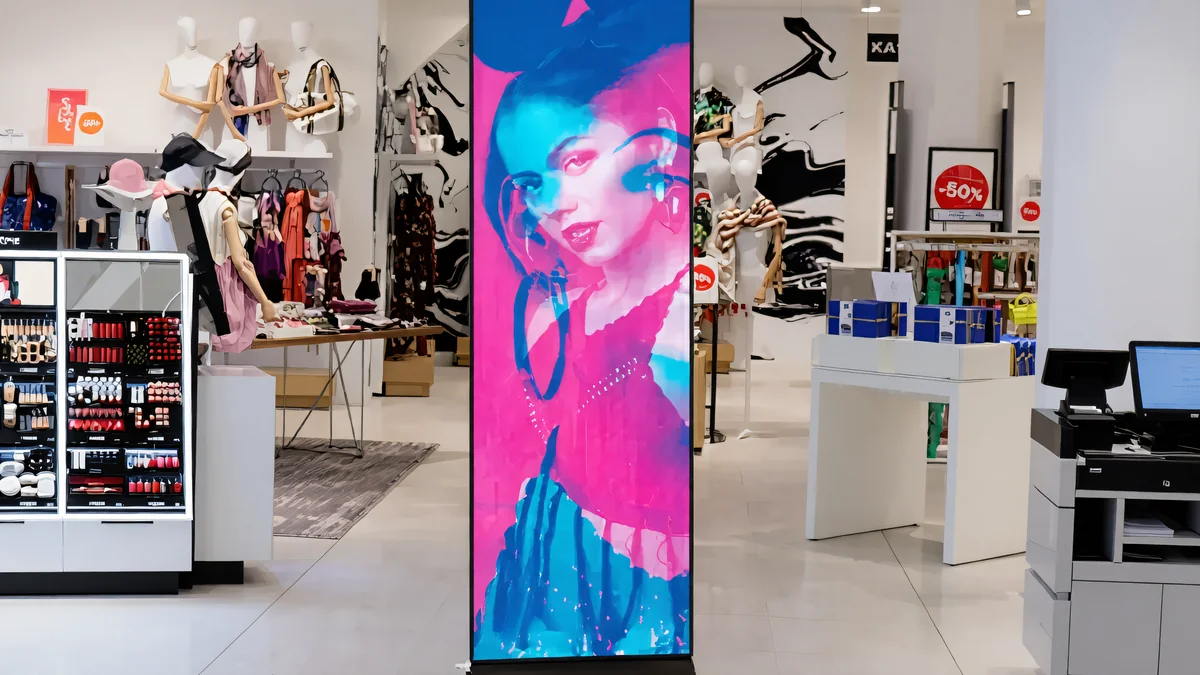
LED Poster Display
Free-standing digital poster for retail and events — unpack, power on, play content. No rigging needed.
LED Poster →LED Display Products by Application
How to Choose an LED Display
| Factor | What to Check |
|---|---|
| Indoor vs Outdoor | Outdoor screens need 4,500+ nits brightness, IP65 waterproofing and sunlight-readable contrast; indoor screens prioritize fine pitch and viewing comfort. |
| Fixed vs Rental | Fixed installations optimize for slim design and front maintenance; rental screens prioritize quick-lock rigging, flight cases and spare-module logistics. |
| Pixel Pitch | Pitch in mm ≈ minimum comfortable viewing distance in meters. P1.2–P1.9 for close control-room viewing; P2.5–P3.9 for stages and lobbies; P4–P10 for billboards. |
| Viewing Distance | Confirm the pitch against the closest viewer position, not the average — a lobby screen viewed from 2 m needs P1.5–P2, not P3.9. |
| Brightness | Indoor 800–1,500 nits; window-facing 2,500–4,000; outdoor daytime 4,500–7,000+; west-facing or tropical sites go higher. |
| Refresh Rate | 1,920 Hz+ for camera-facing and broadcast screens; 3,840 Hz for slow-motion shooting; standard 3,840 Hz rental panels keep stages flicker-free. |
| Cabinet Size | Standard 500×500/500×1000mm rental; 480×320/640×480 fixed; cabinet weight matters for hanging and structure costs. |
| Maintenance | Front-service for wall-mounted installs; modular spare parts and local repair are cheaper than full replacement. |
| Installation | Wall-mounted, ground-stack, hanging or truss — confirm the cabinet rigging options and structure requirements before ordering. |
| Application | Match the product line to the use case (see the Application section) instead of forcing a general-purpose screen. |
About LED display prices
An LED display price is set by pixel pitch, cabinet design, brightness class, control system and quantity — not by a list price. A P2.5 indoor wall and a P10 outdoor billboard are different products with different cost structures. Factory-direct quotes are calculated from your exact size and configuration; see our LED screen price guide → for how costs break down, and request a project quote for your specific screen.
Indoor vs Outdoor vs Rental LED Display
| Dimension | Indoor Fixed | Outdoor Advertising | Stage Rental |
|---|---|---|---|
| Typical pixel pitch | P1.2–P4 | P4–P20 | P2.6–P4.8 |
| Brightness | 800–1,500 nits | 4,500–7,000+ nits | 1,000–4,500 nits (adjustable) |
| Protection | Dust-friendly design | IP65 front & rear, waterproof | Ruggedized, flight-case transport |
| Installation | Permanent wall / structure | Steel structure, permanent | Quick-lock, truss or ground stack, daily build |
| Service | Front or rear access | Rear access preferred | Front access, tool-free |
| Control | Synchronous or async by content | Async / cloud managed typical | Redundant processors, live sync |
| Key buying metric | Pitch vs viewing distance | Brightness vs sun & distance | Build speed & weight |
| Typical lifespan | 8–10 years indoor | 5–8 years outdoor duty | 5+ years with touring care |
LED Display Technology Explained
Guides from our engineering team covering the technologies behind the product lines.
Mini LED vs Micro LED
Where the pixel-pitch roadmap is heading and what it means for buyers.
Mini vs Micro LED →Pixel Pitch & Resolution
How pitch, distance and resolution interact — with calculation examples.
Resolution Calculator Guide →Viewing Angle
Horizontal and vertical viewing angle — and why it changes with pitch.
Viewing Angle Guide →Factory Capability — Built by an LED Screen Factory, Not a Reseller
LEGIDATECH is an LED screen factory in Shenzhen. Every product category on this page is designed, assembled, aged and configured in our own production facility — which is why factory-direct pricing, custom engineering and spare-parts support are standard, not extras.
In-House Production
Module SMT lines, cabinet assembly and aging rooms under one roof — see the factory →
R&D & Product Engineering
Custom cabinet sizes, brightness classes and control integration engineered to specification.
OEM / ODM
Private-label manufacturing and custom product development for B2B partners.
Quality Control
72-hour aging, brightness and color calibration, waterproof testing on every outdoor batch.
Customization
Custom shapes, pixel pitches, sizes and control systems — from single screens to city media networks.
Warranty & Support
Factory warranty with spare modules shipped with projects, and remote engineering support after installation.
Real LED Display Projects
Examples of shipped and installed projects from our factory — details, challenges and lessons in each case study.
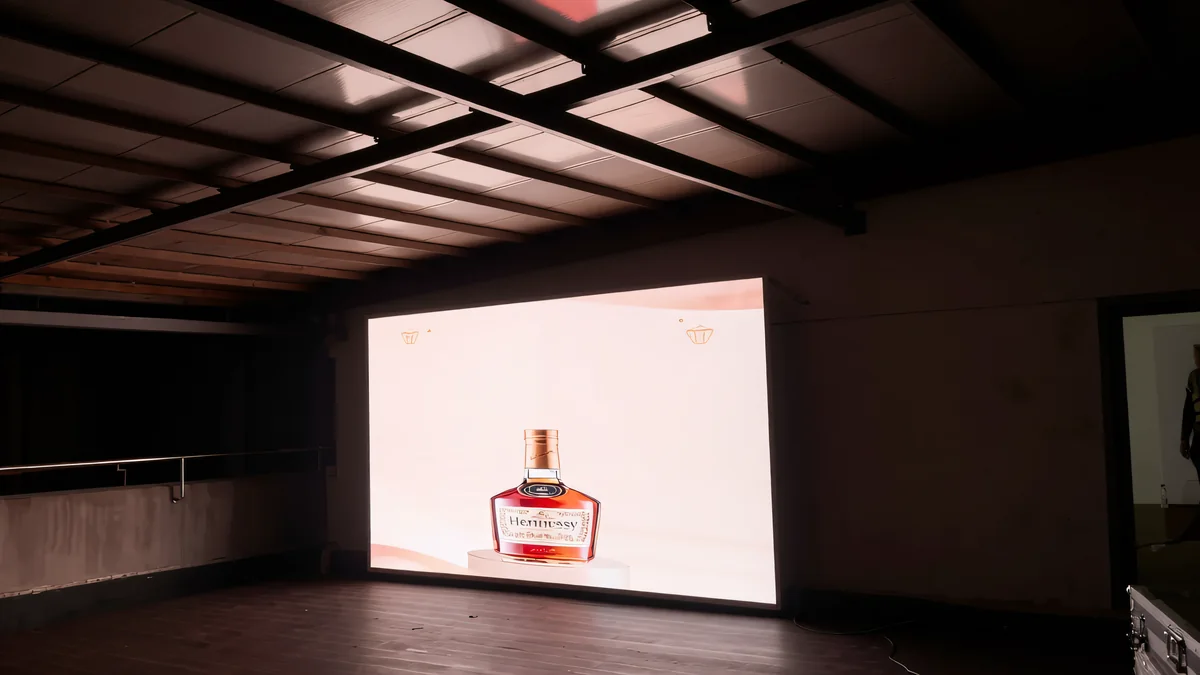
Outdoor P3.9 Installation — UK
Complete outdoor LED display installation case study with structure and control notes.
UK Case Study →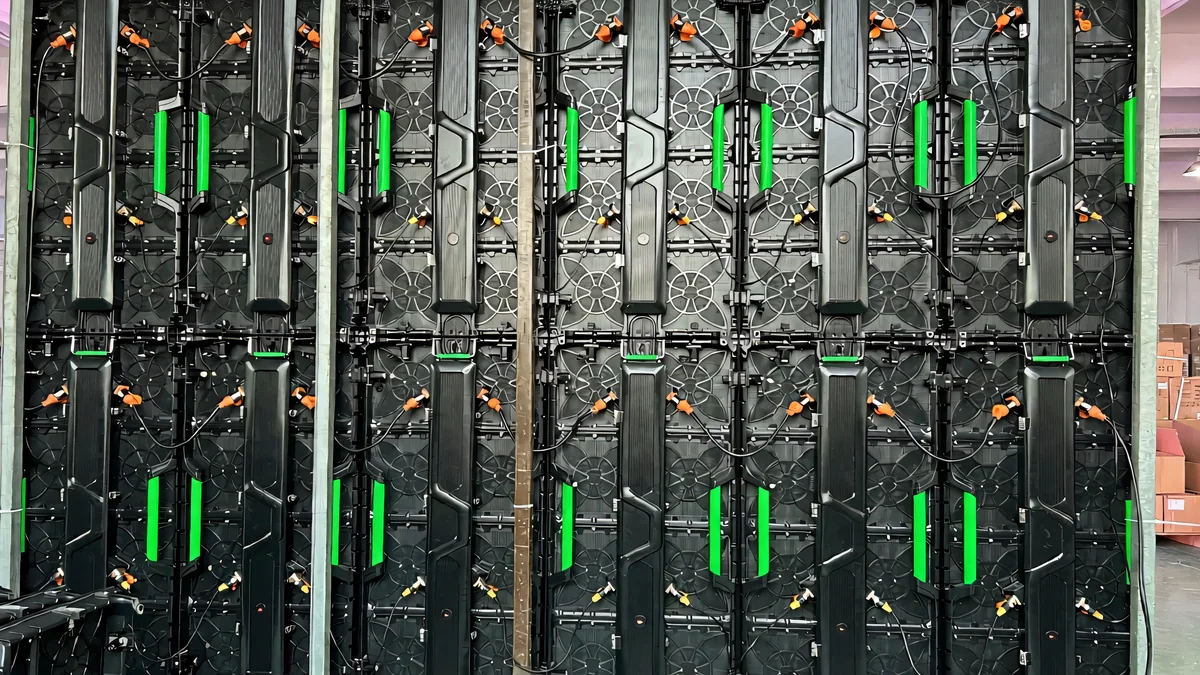
Rental P4.8 Video Wall — Dublin
32m² outdoor rental video wall shipped and deployed to Ireland.
Dublin Project →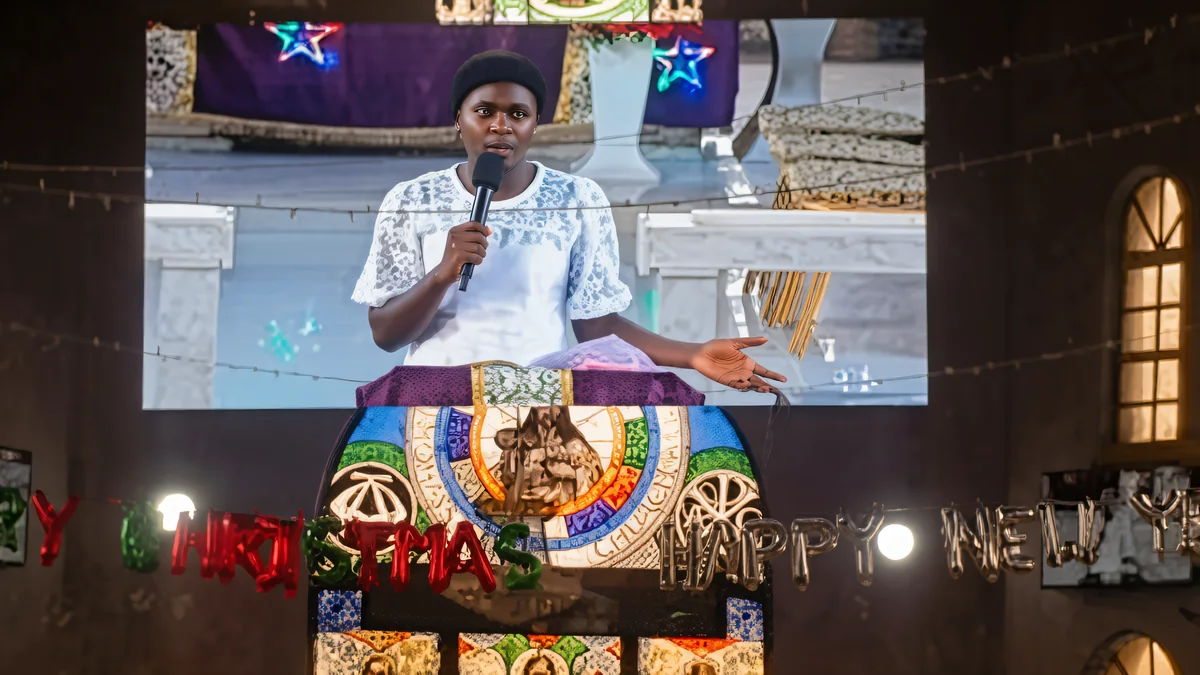
Indoor P3.9 Wall 4×2m — Nigeria
Indoor fixed video wall project with installation and configuration details.
Nigeria Project →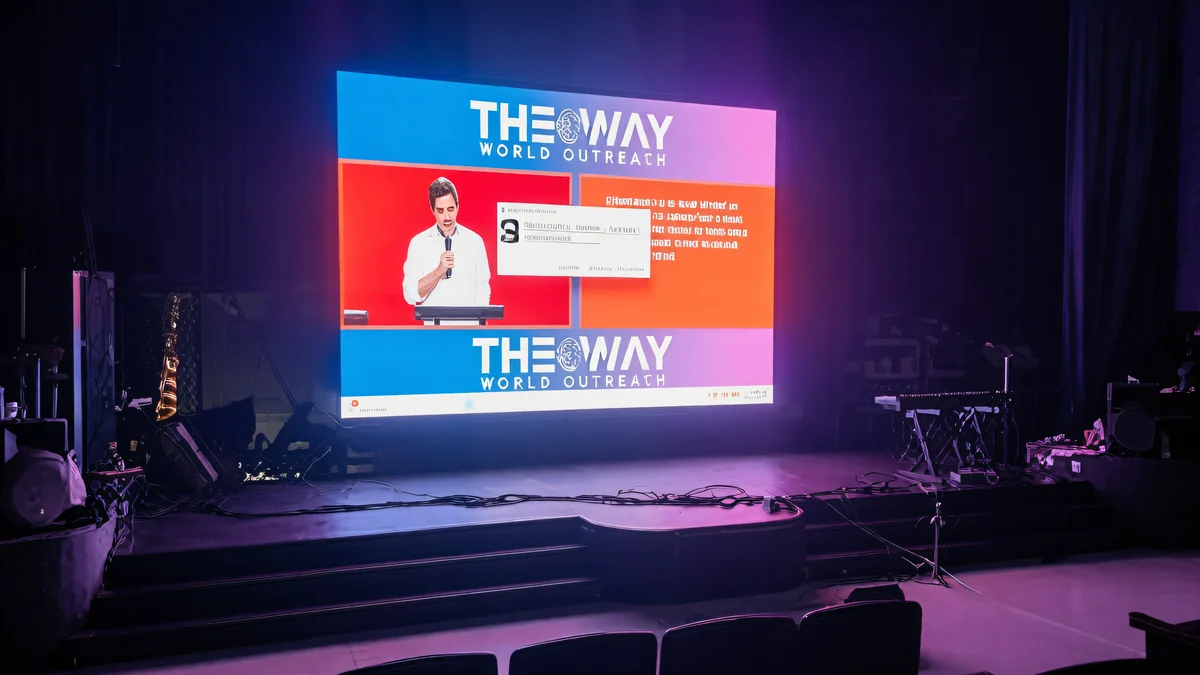
Indoor P3.9 5×3.5m — USA
Indoor LED video wall shipped to the United States — from quote to install.
USA Project →Products, Solutions and Control Systems — One Integrated Stack
LED Display Solutions
Products answer “which screen”; solutions answer “how the project gets built”. For complete project scoping — structure, content, installation and service — start from the solutions hub.
LED Display Solutions →LED Control System
Every display ships with a matched control system — NovaStar, Colorlight, Huidu or Mooncell — configured in our factory. Explore the control system hub and the four brand hubs.
LED Control System Hub →Planning an LED display project?
Tell us the screen size, viewing distance and environment — we will specify the right product line and quote the full display from the factory.
Watch: How We Build and Install LED Displays
LED Display Installation — Complete Step-by-Step
Inside the Factory: LED Module Packing & Shipping
LED Display Products FAQ
What are LED display products?
LED display products are complete screens and screen components built from LED modules: indoor fixed LED displays, outdoor advertising LED displays, stage rental LED displays, and specialist types such as fine-pitch, COB, poster, transparent, flexible and creative LED screens. A complete product includes cabinets, power supplies, receiving cards and a configured control system.
What is the difference between indoor and outdoor LED displays?
Outdoor LED displays use high-brightness LEDs (4,500–7,000+ nits), IP65 waterproof cabinets and sunlight-readable contrast; indoor displays prioritize finer pixel pitch and lower brightness for comfortable close viewing. Indoor panels used outdoors fail quickly — waterproofing and brightness are structural differences, not options.
What is the difference between fixed and rental LED displays?
Fixed displays are permanently installed and optimized for slim design and front or rear maintenance. Rental displays are built for repeated setup: tool-free quick-lock rigging, flight-case packaging, ruggedized corners and redundant control. Rental panels can be installed permanently, but fixed panels rarely survive touring.
How do I choose LED display pixel pitch?
Use the rule: pixel pitch in millimeters roughly equals the minimum viewing distance in meters. P1.2–P1.9 suits 2–4 m viewing; P2.5–P3.9 suits 4–8 m; P4–P10 suits 8 m and further. Choose the pitch for your closest viewer — a P3.9 screen looks pixelated from 2 m away.
Which LED display is suitable for advertising?
For outdoor advertising choose a high-brightness IP65 billboard series (P4–P10 typical); for indoor retail choose fine-pitch or poster displays; for window-facing storefronts consider transparent LED. The advertising display choice follows the viewing distance and the light conditions of the location.
How much does an LED display cost?
Cost depends on pixel pitch, cabinet design, brightness class, control system and quantity — there is no meaningful per-square-meter list price across categories. Factory-direct pricing is calculated from your exact size and configuration. See the price guide for the cost breakdown factors, and request a quote for your specific screen.
How are LED displays manufactured?
LED displays are produced in stages: module SMT assembly (LEDs mounted and reflowed), module aging and calibration, cabinet assembly with power and receiving cards, screen-level aging, then configuration and packing. A factory-direct manufacturer controls all stages, which is how custom pitches and designs stay consistent across batches.
Is an LED video wall better than a projector?
For most commercial installations, yes: LED video walls are brighter, unaffected by ambient light, scalable to any size without bezels, and last far longer with lower maintenance. Projectors still win for very large low-brightness budget screens — but for lobbies, stages, retail and advertising, LED is now the default choice.
What type of LED display should I choose for my project?
Start with application, environment and viewing distance: live events point to rental series; permanent indoor spaces to fixed fine-pitch; street-facing advertising to outdoor billboards. Confirm pixel pitch from the closest viewer, then choose the control system. Send your project details and our engineers will specify the full configuration.
The Complete Guide to LED Display Products
LED Display Products: One Technology, Many Product Lines
Every LED display product — from a P1.2 control-room wall to a P20 highway billboard — is built from the same foundation: LED modules driven by receiving cards, assembled into cabinets, and managed by a control system. What separates the product lines is how those building blocks are optimized for the job. Indoor fixed displays optimize for pixel density and slim design. Outdoor advertising displays optimize for brightness, waterproofing and 24/7 duty. Rental displays optimize for rigging speed, weight and transport survival. Understanding this makes product selection simple: the right product line is the one whose optimizations match your project’s constraints. A professional LED display manufacturer maintains all three core lines — and the specialist lines that branch off them — because real projects combine several types.
Types of LED Display Products
The three core lines cover most projects. Indoor fixed LED displays range from fine-pitch P1.2 COB walls for control rooms to P3–P4 screens for lobbies, retail and churches, with front-maintenance series like Ehonor for wall-mounted installs. Outdoor advertising LED displays span DIP high-brightness billboards (B Pro series), SMD advertising screens (AB/AC series) and large-format facades, all IP65-rated for weather. Stage rental LED displays — RA, RC and Enova series — use quick-lock mechanisms and flight-case packaging for daily builds on tour. Around these sit the specialist lines: COB modules for fine pitch and impact resistance, LED posters for plug-and-play retail, transparent displays for glass facades, flexible panels for curves, and creative displays — spheres, dance floors, magic cubes, sky panels — for signature installations. Custom LED display engineering covers anything outside the standard range.
Indoor LED Display Products
Indoor products are chosen by pixel pitch and service access. Fine pitch (P1.2–P1.9) suits control rooms, broadcast and premium corporate walls where viewers stand two to four meters away; P2.5–P3.9 covers lobbies, conference centers, retail and worship spaces. Indoor screens run at 800–1,500 nits — enough for artificial light, comfortable for close viewing, and efficient over the eight-to-ten-year lifespan typical indoors. Two structural decisions matter more than the spec sheet: front versus rear service (a wall-mounted screen you cannot service from the front is a maintenance liability), and cabinet design (magnetic-module front-service designs like the Ehonor series cut repair time to minutes). COB modules add impact resistance and wide viewing angles for public-facing installs where SMD panels would be exposed to touch and traffic.
Outdoor LED Display Products
Outdoor products live or die by brightness and waterproofing. A street-facing billboard needs 4,500–7,000+ nits to stay readable in direct sunlight — west-facing walls and tropical sites take the higher end. IP65 front and rear protection, surge-protected power and industrial-rated components separate a ten-year billboard from a one-season screen. Pixel pitch follows viewing distance: P4–P6 for close street view, P8–P10 for building facades and road-facing signs, P16–P20 for long-distance highway advertising. DIP-technology billboards remain the standard for extreme brightness at long distance, while SMD outdoor screens deliver better color and viewing angle at closer ranges. Outdoor projects also add structural engineering — wind load calculations and steel structure design are part of the product decision, not an afterthought.
Rental LED Display Products
Rental products are logistics products. The screen is unpacked, built, struck and packed hundreds of times, so the engineering focuses on what happens between shows: tool-free quick locks, lightweight cabinets, curved options, redundant power and signal paths, and flight cases designed for truck and airline handling. P3.9 remains the touring standard — a balance of resolution for stage viewing and weight for rigging; P2.6–P3.9 covers indoor events, P4.8 outdoor events. Rental displays also drive the control requirement that fixed installs rarely need: redundant processors and backup inputs, because a live show cannot wait for a reboot. When buying rental screens, evaluate build time per square meter and spare-module logistics as carefully as the pixel pitch — see our flight case packaging guide for what to check.
How to Choose LED Display Products
Select in this order. First, the application — this fixes the product line. Second, the environment — indoor or outdoor, which fixes brightness and protection class. Third, the viewing distance — which fixes pixel pitch. Fourth, the installation — fixed or rental, which fixes cabinet and service design. Fifth, the content and control — live video or scheduled media, which fixes the control system. Every other specification follows from these five answers. The most common buyer mistakes are choosing pitch for the average viewer instead of the closest one, and treating waterproofing or maintenance access as optional features. When in doubt, ask the factory to specify the configuration from the project data — that is what an LED display manufacturer’s engineering team does every day.
Pixel Pitch and Viewing Distance
Pixel pitch is the distance between LED centers, measured in millimeters, and it sets both the resolution ceiling and the minimum viewing distance of a screen. The practical rule — pitch in millimeters equals minimum comfortable viewing distance in meters — holds across product lines: a P1.5 wall resolves individual pixels only closer than 1.5 m, which is exactly what a control room needs; a P3.9 stage screen is viewed from four meters and beyond, where its pixel structure disappears. Pitch also drives cost and weight: halving the pitch roughly quadruples LED count per square meter. The correct choice is therefore the largest pitch that still disappears at the closest viewing position — not the smallest pitch in the budget.
Viewing Distance and Screen Size
Screen size and pitch work together. A viewer needs enough pixels for the content: a lobby wall showing corporate video wants a minimum of about 1.9 mm pitch per meter of viewing distance, while a billboard at 100 m can use P10 or coarser. A useful planning sequence: decide the closest viewing position, calculate the maximum acceptable pitch from the rule above, then derive the screen’s pixel dimensions from its physical size and check the result against the content’s native resolution. A 5 m × 3 m P2.5 wall is 2,000 × 1,200 pixels — ideal for full HD content; the same wall in P3.9 drops to 1,280 × 768, below full HD. Resolution awareness at the planning stage prevents screens that look soft on arrival.
Brightness Classes
Brightness is specified in nits (cd/m²) and chosen by ambient light, not preference. Indoor rooms: 800–1,500 nits. Window-facing indoor: 2,500–4,000. Outdoor shaded or north-facing: 4,000–5,000. Outdoor direct sun: 5,000–7,000+. Outdoor tropical or west-facing: the top of the range. Running an indoor panel at outdoor brightness is impossible; running an outdoor panel at indoor settings is wasteful but harmless. Brightness also interacts with contrast and black level — a high-brightness panel with a light-gray black surface washes out at night, which is why black-mask and COB designs matter on premium screens.
Installation Methods
LED displays install four ways: wall-mounted (fixed series, front or rear service), ground-stacked (rental series with support frames), hanging (rental series from truss, rated rigging), and structural (outdoor billboards on engineered steel). Each method imposes cabinet requirements: wall mounting favors slim depth and front maintenance; hanging favors light weight and certified rigging points; structural outdoor favors rear access and cable management. The installation method should be decided before the product line — a screen chosen without it often arrives with the wrong service side or rigging. Our LED video wall installation guide walks through each method.
Maintenance and Spare Parts
LED displays are repairable products, and the maintenance plan is part of the purchase. Standard practice from a factory-direct manufacturer: spare modules and receiving cards shipped with the project, modular design so a single technician can replace a module in minutes, and remote support for configuration issues. Front-service designs eliminate scaffolding for wall-mounted screens; flight-case spare kits do the same for touring. Compare maintenance cost over the screen’s lifespan — for an outdoor billboard that can mean five to eight years of site visits — when evaluating two products with similar upfront prices.
LED Display Manufacturing
Manufacturing quality is set by the process, and the process is visible in the product. In-house SMT assembly with consistent LED batches keeps color and brightness uniform across a screen; 72-hour aging catches early failures before packing; cabinet-level calibration evens out module differences; and factory configuration — receiving cards installed, screen files loaded, control system matched — is what makes a display work on arrival. These steps are the difference between an LED screen factory and a trading company: the factory controls them, the trader hopes for them. It is also why factory-direct pricing and factory-direct support go together.
B2B Project Considerations
B2B buyers evaluate LED display products as capital equipment: total cost of ownership across the installation’s lifespan, not the quote price alone. That means pitch chosen for the closest viewer, brightness chosen for the worst light, waterproofing chosen for the harshest season, spares included with the shipment, control systems matched at the factory, and a supplier with engineering capacity behind the sale. Projects also scale: a single lobby wall today often becomes a chain of stores or a city media network tomorrow, which favors a manufacturer with all three core product lines and custom engineering. That is the structure LEGIDATECH is built on — and the reason this products hub leads with three core lines, not a long list of part numbers.
Get Your LED Display Project Quoted by the Factory
Send us your screen size, viewing distance and environment. Our engineers will specify the right product line, control system and installation method — and quote the complete display.
Get a Factory Price QuoteFactory-direct pricing · Response within 2–4 business hours · Spare parts included with projects