


Have you noticed how almost every event you attend features a large, vibrant screen? Rental LED display solutions have become essential for creating memorable visual experiences, from corporate events to live concerts.
But when it comes to choosing the right screen, you’ll face a key decision: do you need an indoor or outdoor LED display?
While they might look similar, indoor LED screens and outdoor LED displays are designed for very different environments. This guide will walk you through the key differences to help you make the perfect choice for your next event.
Comparing Indoor and Outdoor Rental LED Displays
When you’re deciding between an indoor LED and an outdoor LED display, the most critical factor is the environment. An indoor rental LED display simply won’t be visible in bright sunlight and could be easily damaged by rain. Conversely, using an outdoor display indoors would be overwhelmingly bright and likely unnecessary for the space.
The main differences boil down to brightness, weather protection, and image quality, often determined by the pixel pitch.
Understanding these core distinctions is the first step toward selecting a rental LED display that perfectly matches your event’s location and requirements. From technology to typical uses, let’s explore what sets them apart.
Core Differences in Technology and Construction
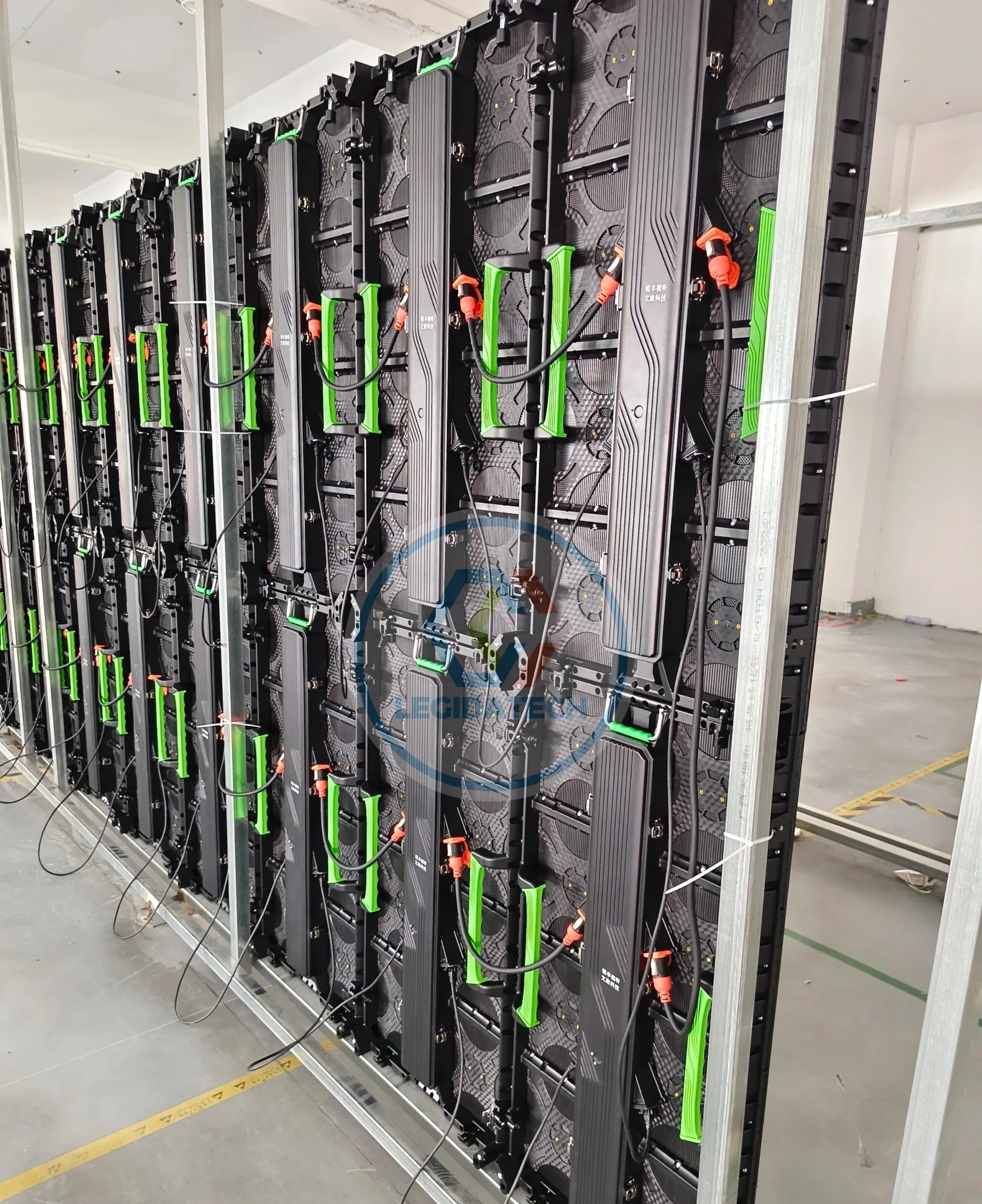
The technology and construction of indoor versus outdoor displays are tailored to their specific functions. Outdoor displays are built for durability in changing outdoor environments.
They require robust weather resistance, with an IP65 rating being standard to protect against dust and water. They also need high brightness levels, often exceeding 5,000 nits, to compete with direct sunlight.
Indoor displays, on the other hand, are designed for controlled settings. They don’t need heavy weatherproofing, allowing for a slimmer, more lightweight design.
Their brightness levels are much lower to prevent eye strain. The focus for indoor display technology is on achieving high resolution for up-close viewing.
Here is a quick comparison of their core differences:
| Feature | Indoor LED Display | Outdoor LED Display |
|---|---|---|
| Brightness | Lower (800-2,000 nits) | High (5,000-10,000+ nits) |
| Weather Resistance | Low (IP20-IP40) | High (IP65 or higher) |
| Pixel Pitch | Smaller (e.g., P0.9-P2.5) | Larger (e.g., P4-P10) |
| Structure | Slim and lightweight | Thick and sturdy |
| Power Consumption | Lower | Higher |
Application Environments and Typical Use Cases
The ideal environment for an indoor LED display includes controlled settings where audiences are relatively close to the screen. Because they are not built for harsh weather, their indoor use is exclusive.
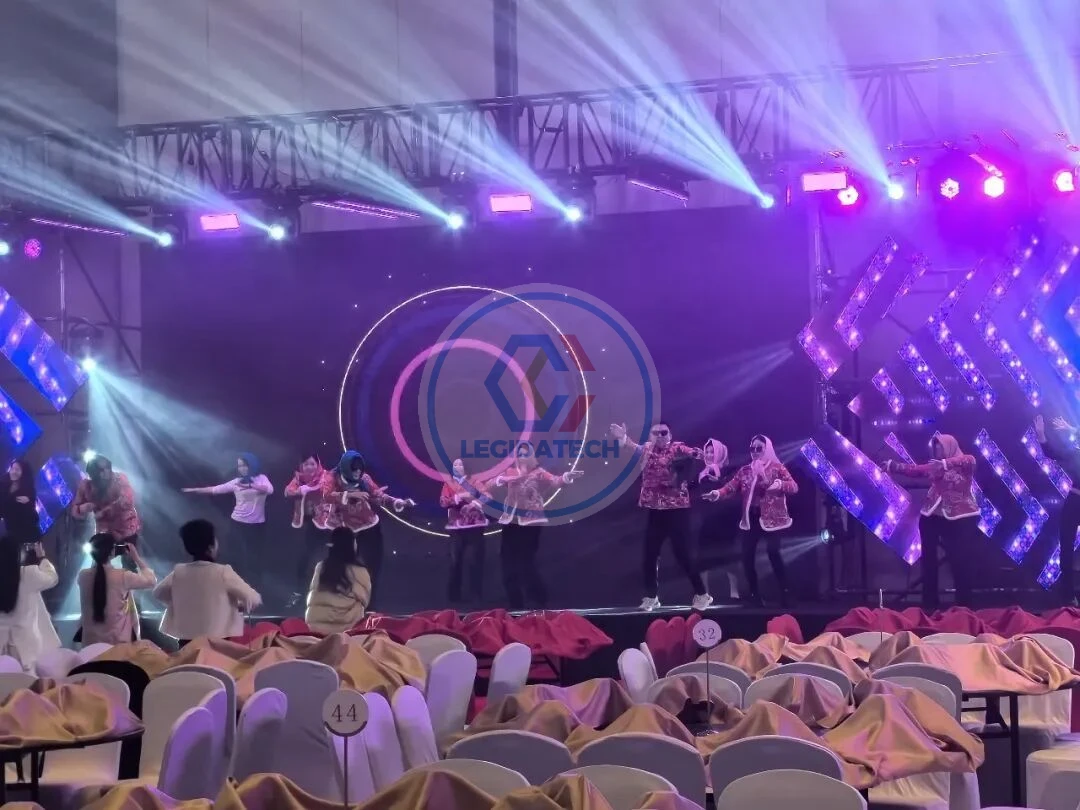
You’ll commonly find them providing stunning visuals in corporate lobbies, conference rooms, trade show booths, and retail stores.
In contrast, an outdoor LED screen is the go-to choice for event organizers hosting large-scale outdoor events.
These displays are engineered to deliver clear, bright images from a distance, making them perfect for concerts, festivals, and sporting events. Their robust build ensures they perform reliably, rain or shine.
When choosing a rental LED display, consider these typical use cases:
- Indoor Use: AGMs, educational events, art galleries, and indoor exhibitions.
- Outdoor Use: Concerts, large social gatherings, and outdoor advertising campaigns.
Deciding between them comes down to where your event is and how your audience will view the content.
What Are Indoor LED Screens?
Indoor LED screens are specialized display solutions designed for use within controlled indoor environments. These displays are engineered to provide exceptional visual quality when viewed from a close distance.
You often see them in locations like retail stores, conference rooms, corporate offices, and control rooms. The main goal of an indoor LED display is to deliver high resolution, vibrant colors, and sharp details to engage audiences effectively.
Because they are not exposed to the elements, indoor LED screens can have a much slimmer and more lightweight profile. This makes them easier to install and integrate seamlessly into various interior designs.
Their lower brightness requirements also mean they consume less power and have a potentially longer lifespan compared to their outdoor counterparts. The primary focus is always on delivering a superior, crystal-clear image.
Features of Indoor Rental LED Displays
The defining feature of an indoor rental LED display is its superior image quality. This is achieved through a smaller pixel pitch, which means the individual LEDs are packed more closely together.
The result is a higher resolution, allowing for sharp, detailed images and smooth video playback, which is crucial for indoor use where the audience is closer to the screen.
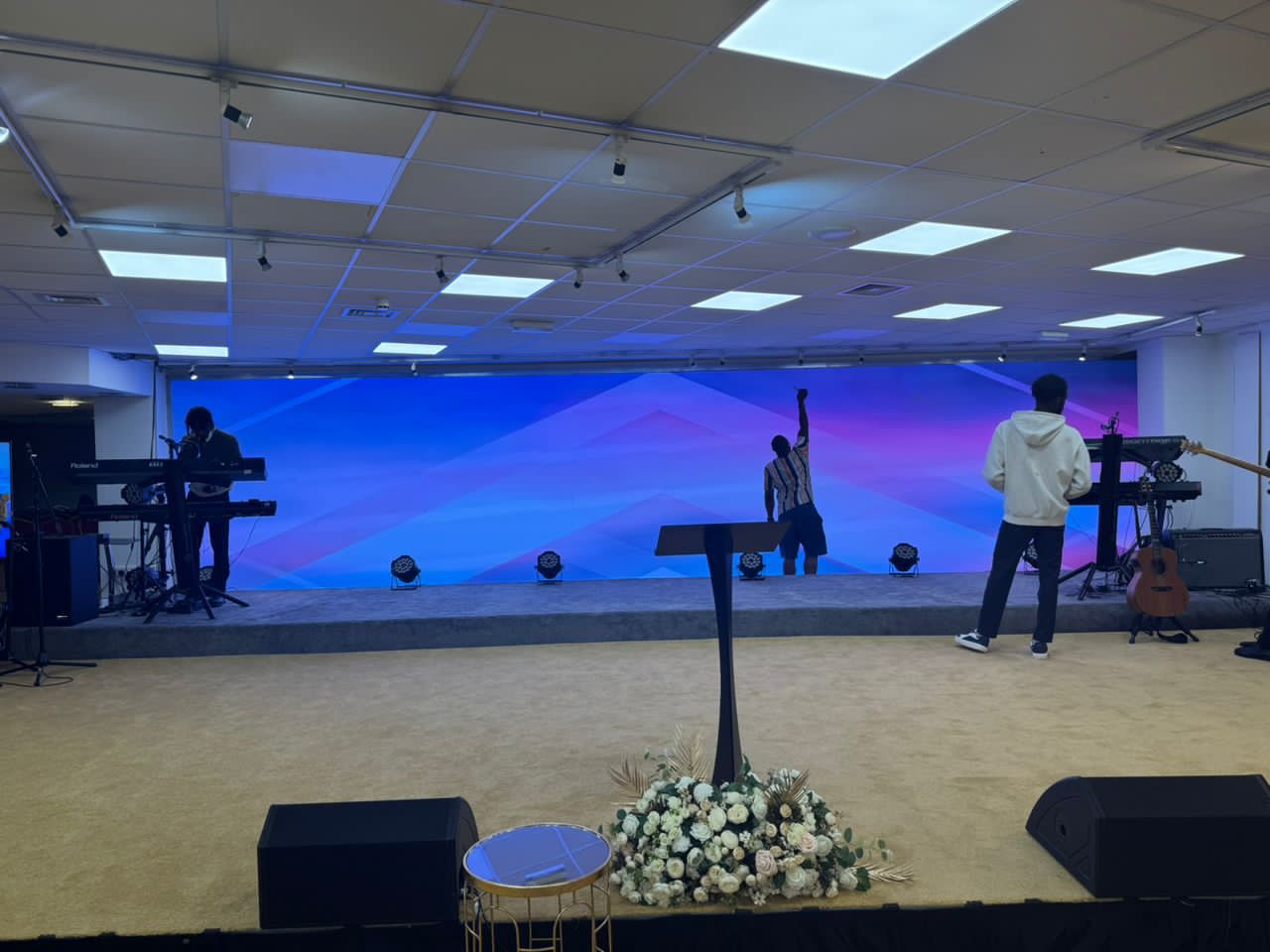 Because they are used in environments with controlled lighting, indoor LED screens have lower brightness levels that are comfortable for close viewing without causing eye fatigue.
Their lightweight and modular design also makes them highly portable and easy to set up for various indoor events. Let’s look closer at the specifics of image quality and event suitability.
Image Quality, Resolution, and Pixel Pitch
For an indoor LED screen, image quality is everything. The key to achieving stunning visuals is a combination of high resolution and a smaller pixel pitch.
Pixel pitch is the distance between the centers of adjacent pixels; the smaller the distance, the more pixels can be packed into the screen, resulting in a sharper image, perfect for close viewing.
This high resolution ensures that even intricate details and fine text are displayed with perfect clarity.
A high refresh rate is another crucial factor, as it eliminates flickering and ensures smooth motion, which is essential for video content. The goal is to create an immersive visual experience that captivates the audience.
Key factors contributing to superior image quality include:
- Smaller Pixel Pitch: Typically ranging from P0.9 to P2.5 for crisp, clear images up close.
- High Resolution: Capable of displaying 1080p, 4K, and even 8K content.
- High Refresh Rate: Ensures smooth video playback without any distracting flicker.
Suitability for Event Types and Locations
Indoor screens are incredibly versatile, making them suitable for a wide range of event types and locations. Their ability to deliver high-quality visuals makes them a popular choice for situations where clarity and detail are paramount.
You will frequently see them used as dynamic video walls in corporate settings or as engaging backdrops at trade shows.
Their modular design allows for creative and flexible installations. Rental LED screens can be configured into various shapes and screen sizes to fit unique architectural features or event concepts. This makes them ideal for creating immersive environments in museums, entertainment venues, and high-end retail stores.
Common locations and events for indoor LED display rentals include:
- Conference rooms, boardrooms, and control rooms
- Retail stores and shopping malls
- Trade shows, exhibitions, and corporate presentations
Ultimately, if your event is indoors and you want your content to look its absolute best, an indoor LED display is the way to go.
What Are Outdoor LED Screens?
Outdoor LED screens are robust displays built specifically for outdoor use. Their most critical feature is high brightness, which allows them to produce clear, vibrant images even in direct sunlight.
These screens are engineered to withstand harsh weather conditions, featuring excellent weather resistance against rain, dust, and extreme temperatures. You often see them used for large-scale outdoor advertising, digital signage, concerts, and public information boards.
To ensure clear visibility from a distance, an outdoor LED screen typically has a larger pixel pitch compared to indoor models. While this means the resolution is lower when viewed up close, it is perfectly suited for large audiences situated farther away.
The construction of outdoor screens focuses on durability and reliability in challenging outdoor environments, ensuring they continue to perform flawlessly no matter the weather.
Features of Outdoor Rental LED Displays
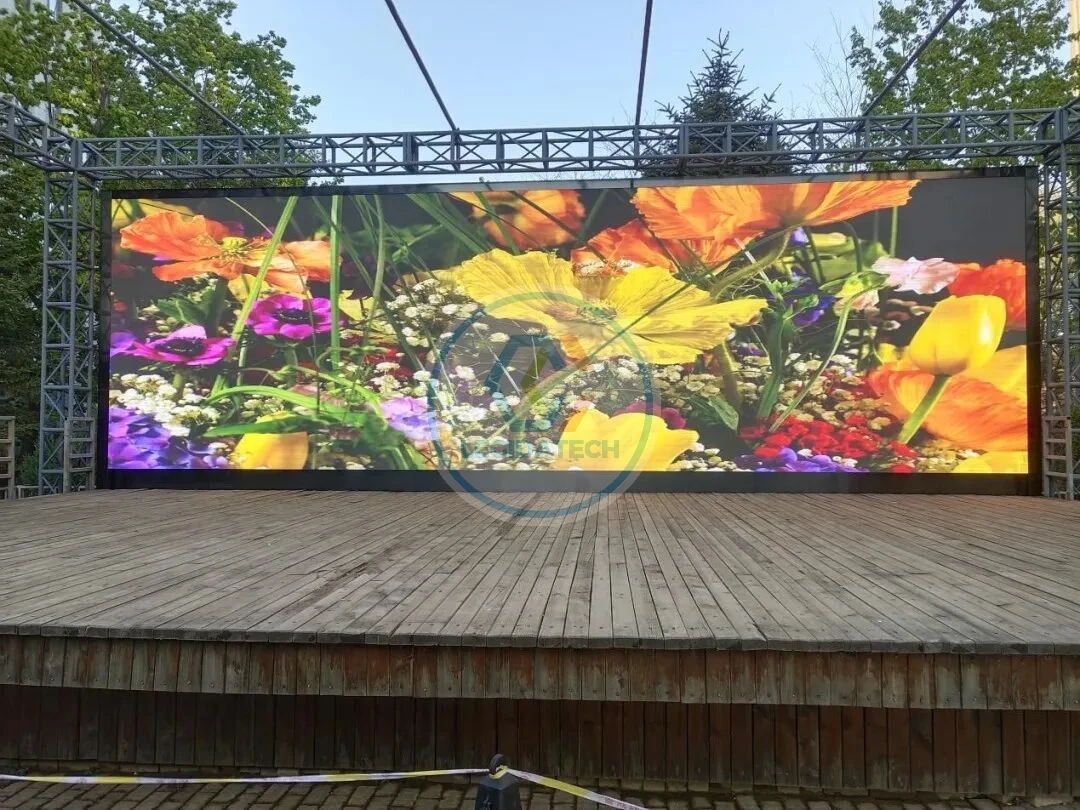
The standout features of an outdoor rental LED display are its ruggedness and power. These screens are defined by their exceptional weather resistance and high brightness, two qualities essential for performing in outdoor conditions.
An IP65 rating is standard, signifying that the display screen is protected from dust and water jets, making it reliable for outdoor use in any weather.
To ensure content is always visible, outdoor LED displays boast brightness levels that can cut through direct sunlight. They also utilize a larger pixel pitch, which is ideal for long-distance viewing common at large events.
These features ensure the LED display delivers a powerful visual impact, regardless of its environment.
Weather Resistance, Brightness, and Durability
Outdoor displays are engineered for survival. Their most critical feature is the ability to withstand harsh weather, from pouring rain to intense heat.
This durability comes from high-grade weather resistance, typically an IP65 rating, which seals the electronics from moisture and dust. The cabinets are also built from strong materials like aluminum to handle physical impacts.
To combat direct sunlight, these screens are equipped with higher brightness levels, often starting at 5,000 nits and going up to 10,000 nits. This ensures the content remains vivid and legible.
Because of this high brightness and exposure to the sun, an effective cooling system is crucial to prevent overheating and maintain performance.
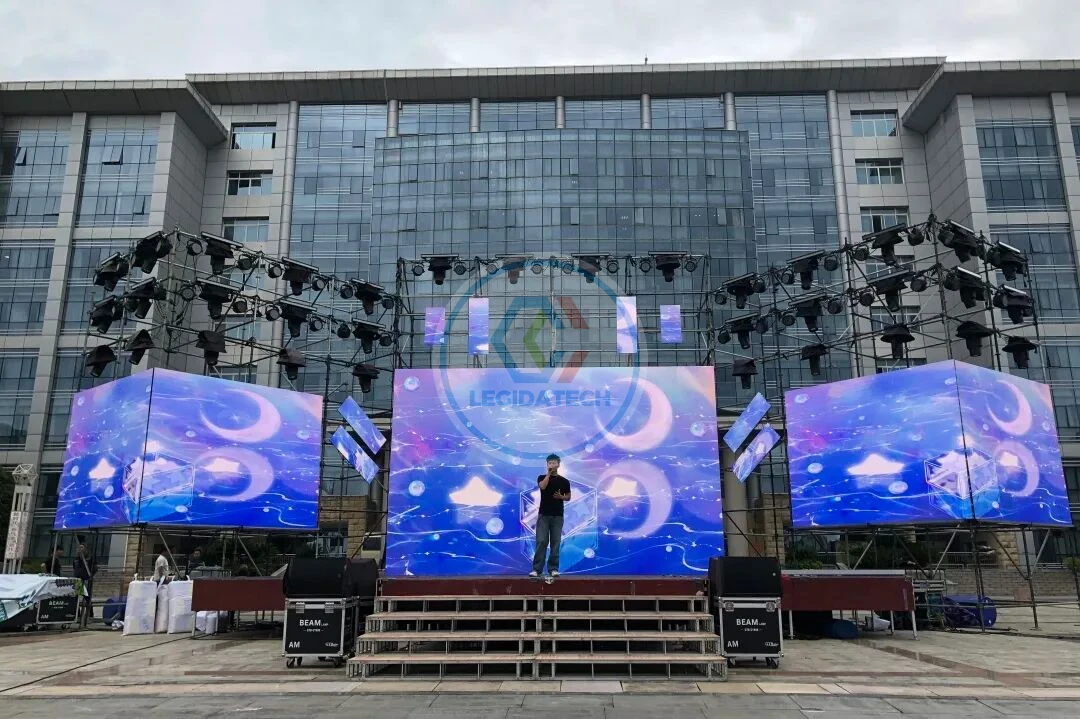
Key features for durability include:
- High IP Rating: An IP65 rating protects against dust and water.
- Robust Construction: Strong materials and structural support withstand physical stress.
- Advanced Cooling System: Manages heat generated from high brightness and sun exposure.
Installation, Maintenance, and Pricing Factors
The LED screen installation requirements for an outdoor rental LED display are more complex than for indoor ones. These screens are heavier and require significant structural support, such as hanging trusses or sturdy ground mounts.
The installation process itself can be tricky and often requires skilled technicians to ensure safety and proper operation.
Maintenance is also a bigger consideration. Due to exposure to the elements, outdoor displays need more frequent cleaning and checks to ensure they remain in optimal condition.
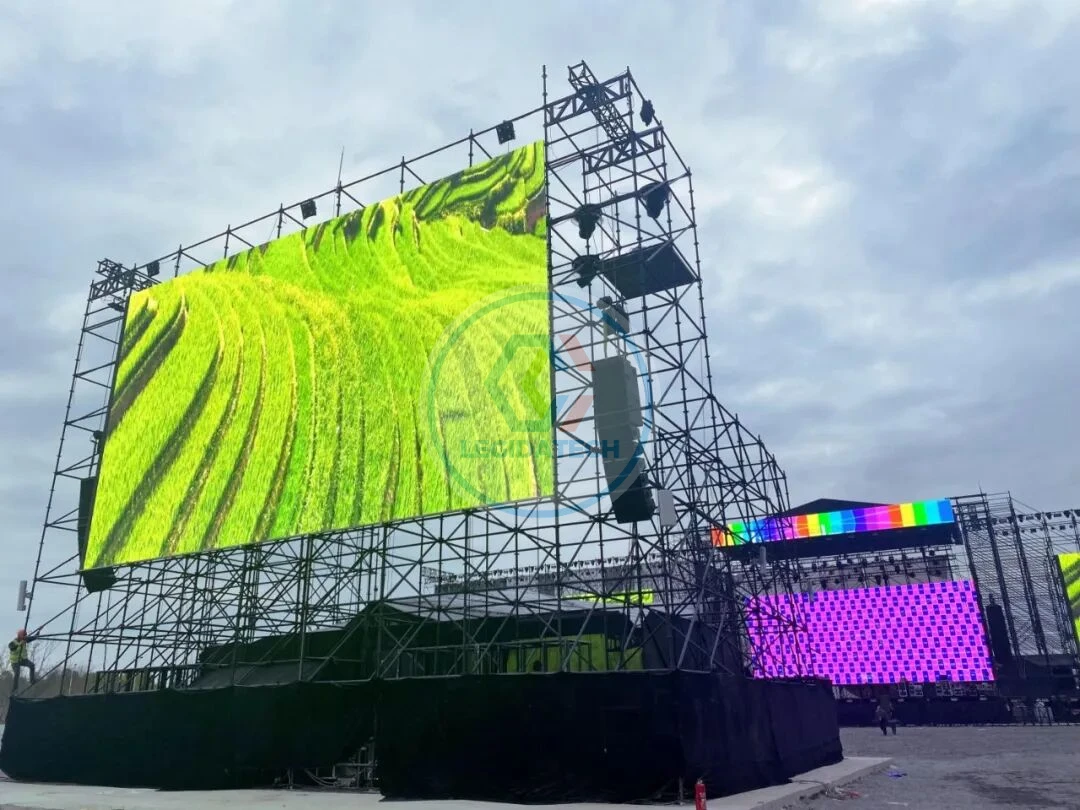
Power consumption is another factor, as their high brightness levels draw more electricity. These elements all contribute to the pricing of outdoor display solutions.
Pricing for an outdoor rental is influenced by:
- Higher material costs: Weatherproofing and durable components are more expensive.
- Increased power consumption: Higher brightness requires more energy.
- Complex installation: Requires more labor and equipment, increasing costs per square meter.
How to Choose the Right LED Screen for Your Needs
Selecting the right type of LED screen comes down to a few key questions about your event. First and foremost, where will the display screen be located? If your event is outdoors, an outdoor LED screen is your only viable option due to its brightness and weather resistance.
For any indoor event, an indoor LED display will provide superior image quality for your audience. Event organizers must consider the viewing distance.
Will your audience be up close or far away? For close viewing, choose an indoor LED with a fine pixel pitch. For large-scale events where the audience is further back, an outdoor screen with a larger pixel pitch is more suitable and cost-effective.
Think about your specific needs regarding content. If you’re displaying detailed graphics or high-definition video, the high resolution of indoor rental screens is ideal.
Also, consider your budget and the practicalities of installation. Collaborating with a trusted supplier can help you navigate these choices. They can recommend the perfect display solutions to ensure your event’s visuals are engaging and effective, helping you choose the right screen that will make a lasting impression on your audience.
Conclusion
In conclusion, choosing between indoor and outdoor rental LED displays involves understanding their unique features and applications. Indoor displays excel in image quality and versatility for various event types, while outdoor displays are engineered for durability and visibility in challenging weather conditions.
By assessing your specific needs—whether it’s for a corporate event, concert, or outdoor festival—you can make an informed decision that enhances your audience’s experience.
Remember, the right rental LED display not only captivates your viewers but also elevates the overall impact of your event. If you’re ready to explore your options further, don’t hesitate to reach out for tailored advice on the best solutions for your next project!
Recommended Reading
Main Page: Rental LED Display
Sibling Pages
In-Depth Content
Frequently Asked Questions
Can indoor rental LED panels be used outdoors?
No, indoor LED panels should not be used for outdoor use. They lack the necessary brightness to be visible in sunlight and have no weather resistance. Exposing an indoor panel to harsh weather like rain or dust will quickly cause damage, even with temporary use.
What is the price difference between renting indoor and outdoor LED displays?
Outdoor rental LED display solutions are generally more expensive than indoor ones. The higher pricing for an outdoor rental reflects the costs of durable, weatherproof materials, higher brightness components, and more complex installation requirements. The overall cost depends on the size and resolution of the screen.
How do maintenance needs differ for indoor vs outdoor rental LED displays?
Outdoor LED screens require more frequent maintenance than indoor LED screens. This is due to their exposure to harsh weather conditions, dust, and debris. They need regular cleaning and inspection to ensure all components are functioning correctly, whereas indoor screens simply need occasional dusting in a controlled environment.