


HOME / LED CONTROLLERS / RECEIVING CARDS
Colorlight i9 LED Receiving Card
Flagship FPGA-based receiving card with HDR10/HLG, 32 parallel or 64 serial RGB groups, 512×512 max load. DDR2 SODIMM, 8/10/12-bit input.
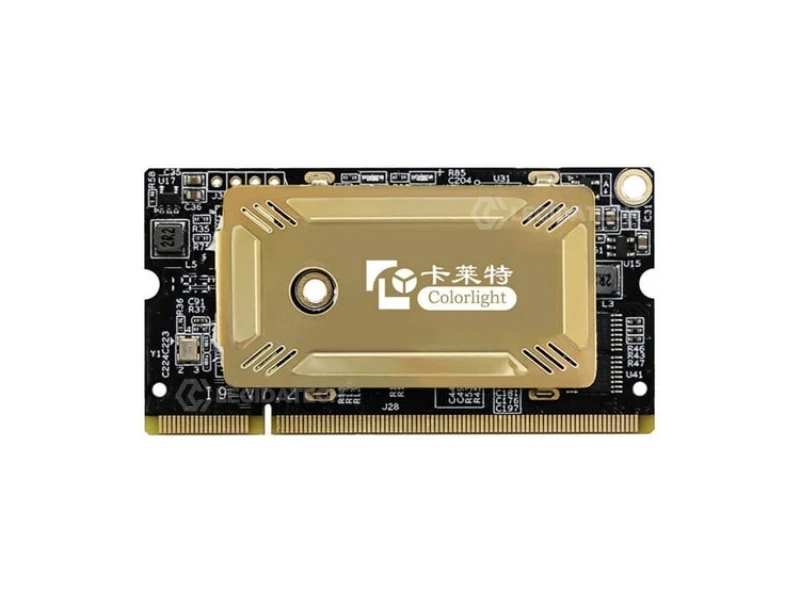
What Is the Colorlight i9 Receiving Card?
The Colorlight i9 LED receiving card is the flagship in Colorlight I-series — an FPGA-based, HDR-ready receiver engineered for the most demanding fine-pitch LED display applications. With 32 groups of parallel RGB data or 64 groups of serial data (expandable to 128), the i9 delivers the highest throughput of any Colorlight receiving card.
The i9 supports HDR10 and HLG with 8-bit, 10-bit, and 12-bit input — the only Colorlight receiver capable of true HDR reproduction. Its FPGA architecture enables 384×256 pixel control (up to 512×512 extended) with sub-frame latency.
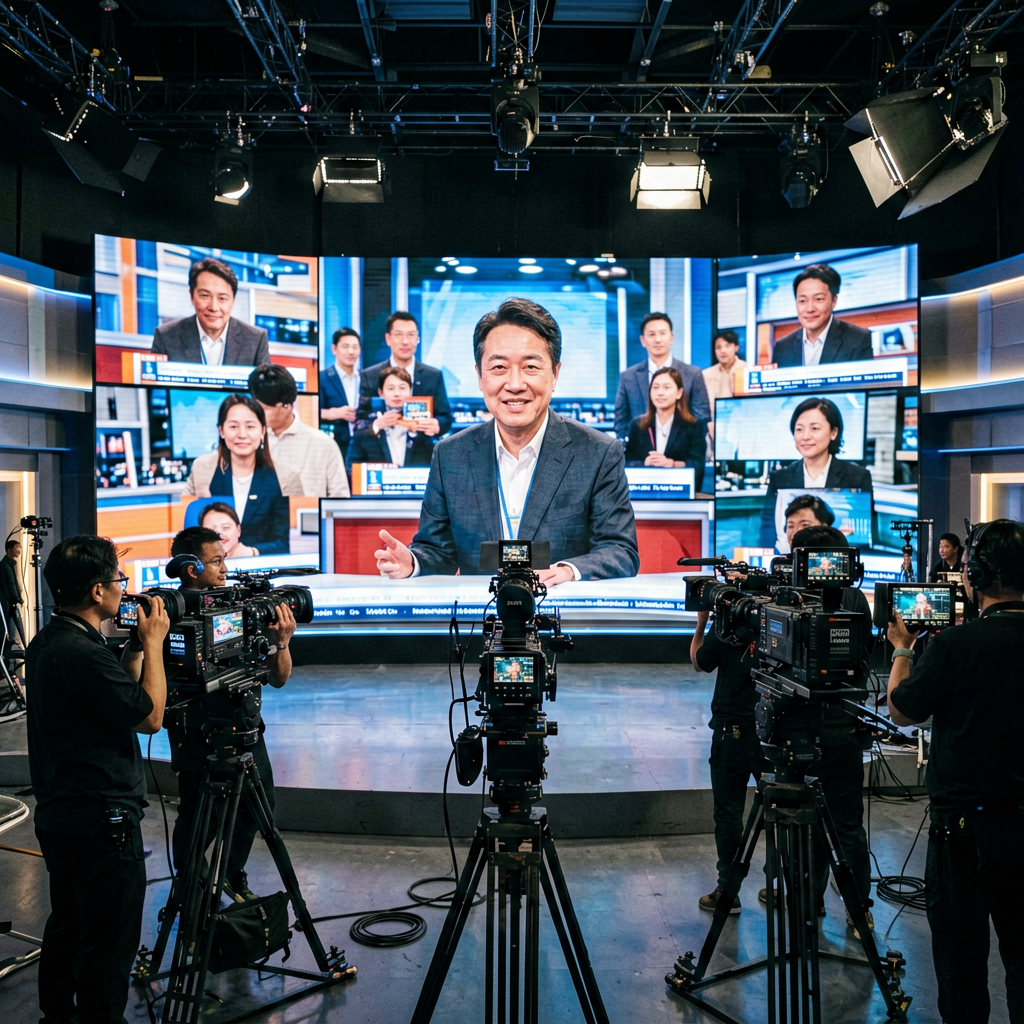
For system integrators building premium installations — broadcast studios, corporate flagships, virtual production — the i9 is the pinnacle of Colorlight technology. Trusted by LED screen manufacturer partners worldwide.
Key Specifications
| Dimensions | 67.6 x 35.5 mm |
| Interface | DDR2 SODIMM 200-pin |
| Architecture | FPGA |
| RGB Output | 32 parallel / 64 serial |
| Max Load | 384×256 (up to 512×512) |
| HDR Support | HDR10 / HLG |
| Input Bit Depth | 8 / 10 / 12-bit |
| Grayscale | 65,536 (16-bit) |
| Input Voltage | DC 3.3V – 6V |
| Positioning | Flagship / HDR / Fine-pitch |
Why Choose the Colorlight i9?
6 reasons the i9 is the flagship — built for HDR, fine-pitch, and maximum data throughput.
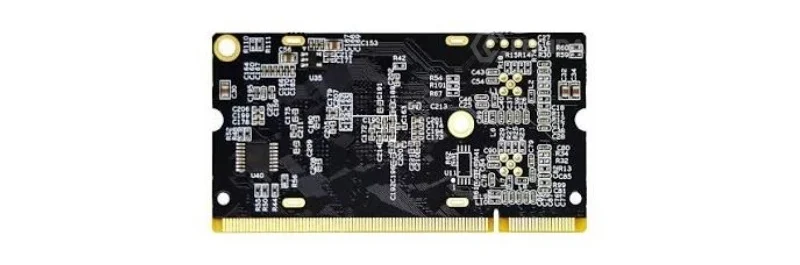
True HDR10 / HLG Support
The only Colorlight receiver with native HDR10 and HLG processing. 12-bit input pipeline preserves dynamic range from source to LED module.
FPGA Architecture
Custom FPGA delivers sub-frame latency and real-time HDR tonemapping. Reprogrammable for future firmware updates without hardware replacement.
64 Serial / 128 Extended Groups
32 parallel + 64 serial data groups, expandable to 128. The highest throughput of any Colorlight receiver for fine-pitch LED walls.
512×512 Max Load Capacity
4x the pixel load of standard cards. Drive larger display areas with fewer receivers — fewer failure points, lower system cost.
12-Bit Precision Pipeline
Accepts 8/10/12-bit input with full 16-bit internal processing. Zero banding in HDR gradients for broadcast and virtual production.
Fine-Pitch Optimized
Purpose-built for sub-2mm pixel pitch. Advanced calibration + low latency + HDR for stunning close-viewing experiences.
LEGIDATECH: Your i9 Flagship Receiver Card Supplier
The Colorlight i9 is our top-tier receiving card — stocked alongside compatible sending devices and HUB boards for complete HDR-ready LED display systems.
- ✓ 10,000+ m2 production facility in Changsha, China
- ✓ Full SMT line with Yamaha pick-and-place machines
- ✓ HDR content verification on every i9 batch
- ✓ CE, FCC, RoHS certified components
- ✓ 3-year warranty on all controller products
- ✓ Global shipping to 80+ countries
InfoComm 2018: Colorlight I-Series Receiver Cards Showcase
Complete Technical Specifications
Colorlight i9 — FPGA-based flagship with HDR10/HLG and 512×512 max load
I-Series Flagship Comparison: i9 vs i6 vs i5A-F
| Parameter | i9 (Flagship) | i6 | i5A-F |
|---|---|---|---|
| Architecture | FPGA | ASIC | ASIC |
| HDR Support | HDR10 / HLG | Basic HDR | No |
| Data Output | 32 par. / 64 ser. | 32 parallel | 16 parallel |
| Max Load | 512×512 px | 256×256 px | 256×256 px |
| Input Bit Depth | 8 / 10 / 12-bit | 8-bit | 8-bit |
Understanding HDR on LED Displays: Why It Matters
HDR is an end-to-end imaging pipeline preserving greater contrast ratio, wider color gamut, and higher bit-depth. The i9 is the only Colorlight card with a native 12-bit input stage processing HDR10 and HLG. Standard 8-bit cards clip at 256 luminance levels — the i9 preserves the full dynamic range.
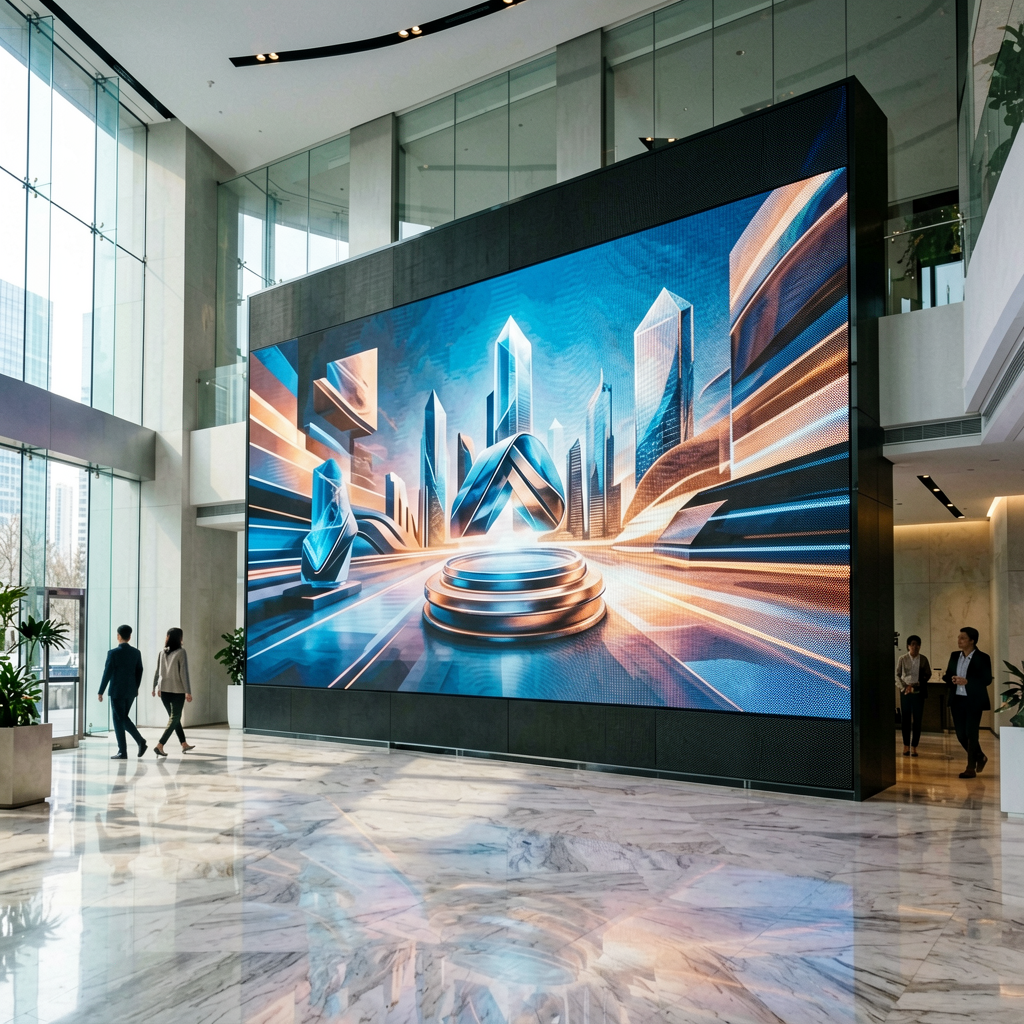
When HDR matters: Broadcast studios, corporate flagships, XR virtual production, and any installation photographed or filmed professionally.
12-bit Pipeline
HDR10 + HLG + Dolby Vision Ready
Ready to Deploy HDR with the i9 Flagship?
Contact LEGIDATECH for i9 bulk pricing, HDR system design, and FPGA firmware consultation.
Application Scenarios
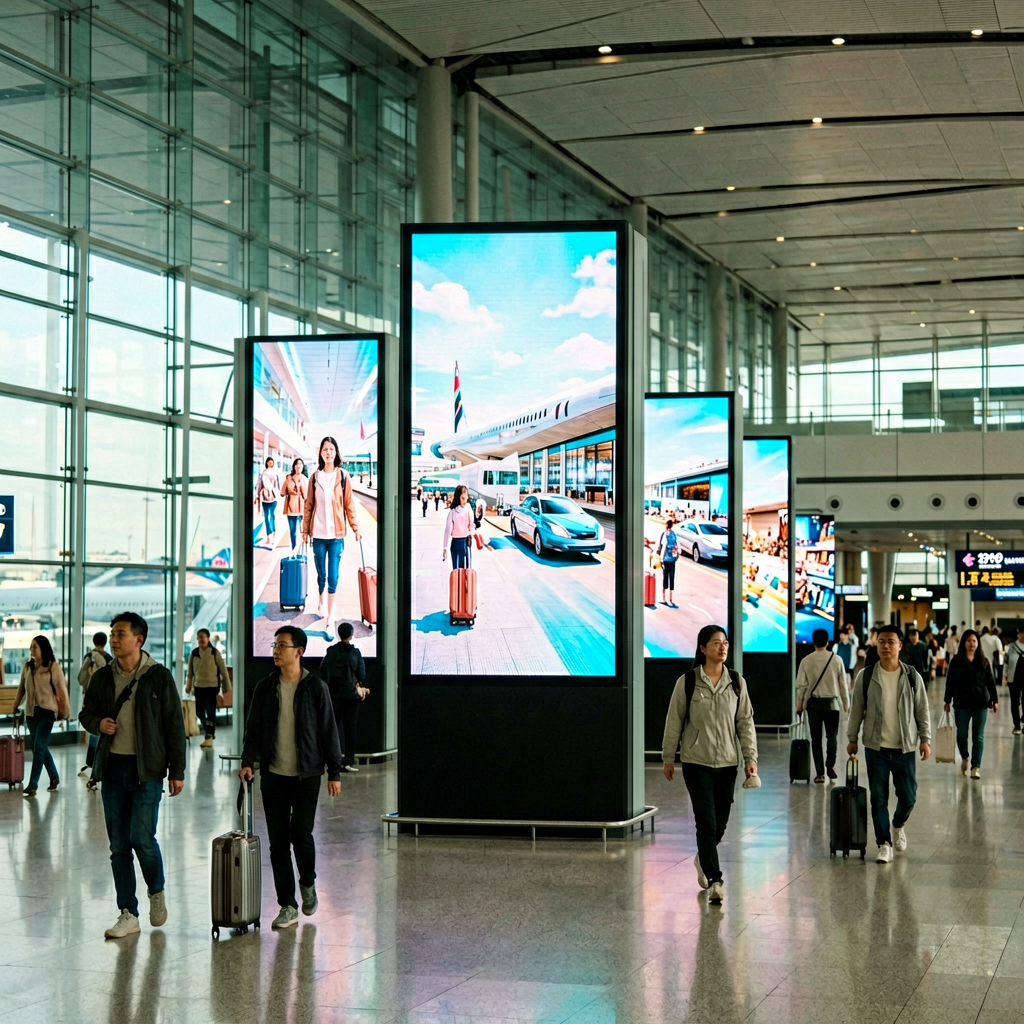
The i9 HDR and FPGA capabilities target the most demanding LED display applications.
Receiver Card Configuration: RCVBP Files & LED Setting Software
HDR-Verified Quality Control
Every i9 undergoes HDR content verification — we test the complete 12-bit pipeline with HDR10 test patterns to ensure zero banding and accurate tonemapping before shipment.
The FPGA advantage: field-reprogrammable firmware. As HDR standards evolve, the i9 receives updates adding new capabilities — protecting your hardware investment for years.
DDR2 SODIMM Ecosystem & Compatibility
The i9 uses the same DDR2 SODIMM 200-pin form factor as the i6. Upgrade from i6 to i9 for HDR without changing cabinet infrastructure.
| Sending Device | Max Input | HDR |
|---|---|---|
| iQ7E UHD Sender | 3840×2160 | ✓ |
| Z6 Pro G2 | 4K/8K | ✓ |
| C1 Series | 1920×1080 | ✓ |
How to Upgrade Colorlight Receiving Card Firmware
i9 FPGA Update Advantage
Unlike fixed-function ASIC cards, the i9 FPGA can be reprogrammed via firmware. New HDR format support deploys through software — no hardware swap needed.
Real-World i9 Deployments
Where the i9 flagship receiver card delivers measurable advantages over standard alternatives.
Frequently Asked Questions
Q: What is the difference between i9 and i6?
The i9 upgrades with FPGA (vs ASIC), native HDR10/HLG, 12-bit input, 64 serial groups, and 512×512 max load (vs 256×256). i6 is the high-end workhorse.
Q: Do I need the i9 for HDR content?
Yes — for HDR10 or HLG, i9 is the only Colorlight receiver with native HDR processing. The i6 supports basic HDR but lacks 10/12-bit pipeline and HLG.
Q: Can I upgrade from i6 to i9 without changing my HUB board?
Yes. Both use the same DDR2 SODIMM 200-pin form factor. Swap the card, update firmware, and HDR features become available.
Q: What does FPGA architecture mean practically?
The FPGA is software-defined. As Colorlight releases firmware, the i9 gains new capabilities — improved HDR, new color spaces — without hardware replacement.
Q: MOQ and lead time?
Stock available for rapid fulfillment. Contact sales for volume pricing and HDR system support.
Q: Third-party sending device compatibility?
The i9 is designed for the Colorlight ecosystem. For full HDR, a Colorlight HDR sender (iQ7E, Z6 Pro G2, C1) is required. LEGIDATECH supplies complete HDR-ready systems.
Compatible Controllers & Related Products
Complete your HDR LED display system
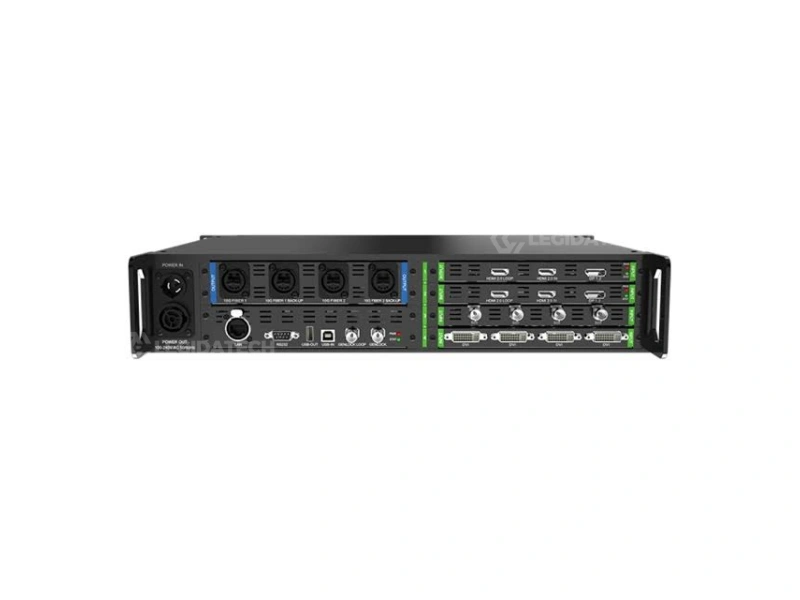
Z6 Pro G2 Video Controller
4K HDR processor for i9
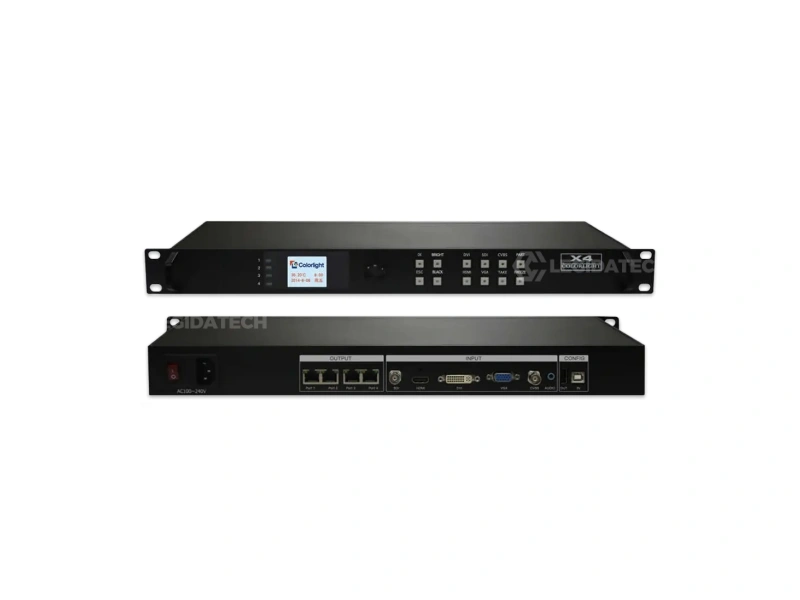
Colorlight X4 LED Controller
HD sending device
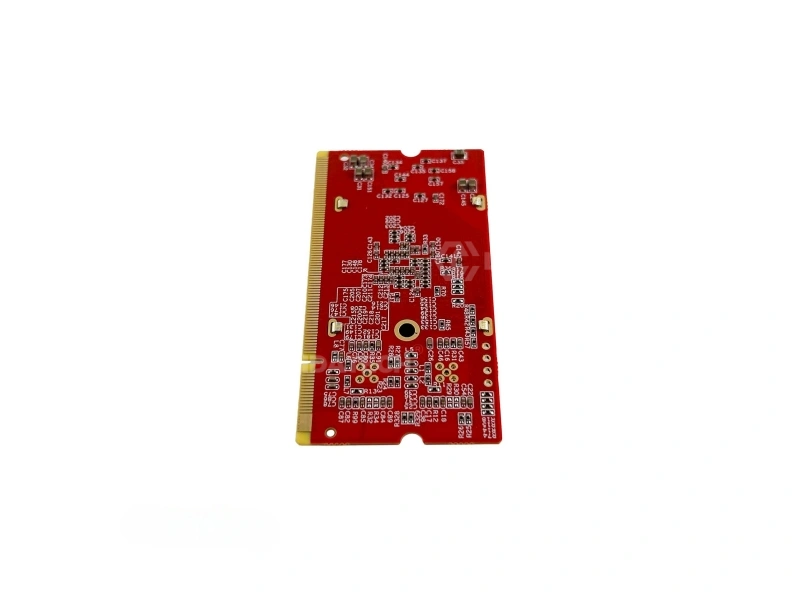
i6 High-End Receiver
32-group SODIMM card
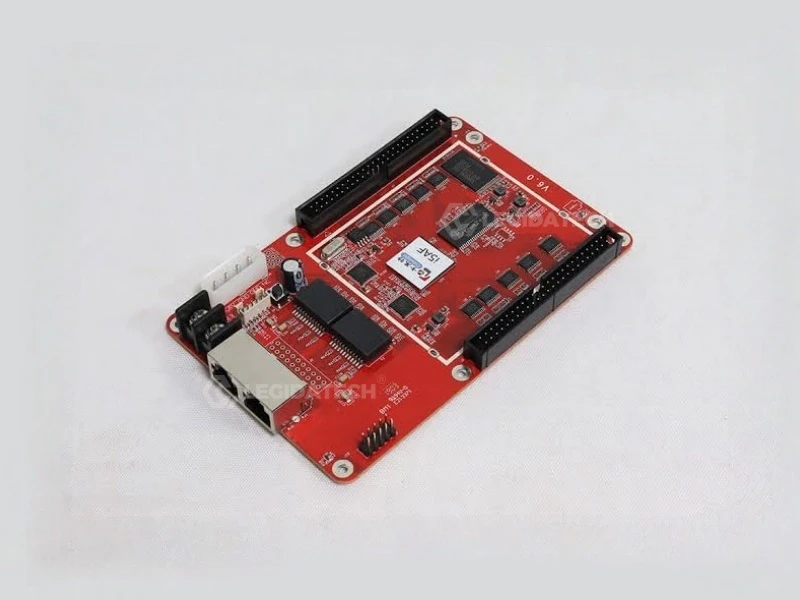
i5A-F Dual-Mode Receiver
A8 replacement + async
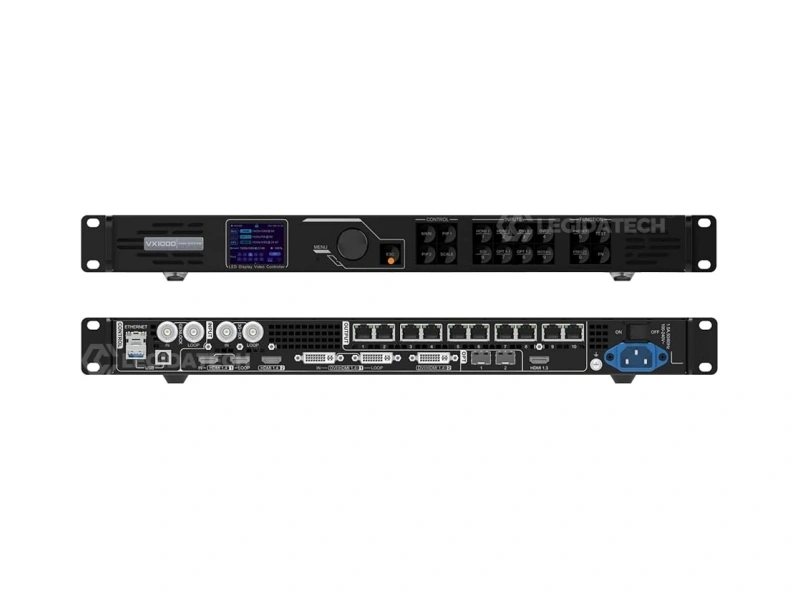
NovaStar VX1000
4K input controller
Get Factory-Direct Pricing on Colorlight i9 Receiving Cards
HDR-ready systems · FPGA firmware support · 3-year warranty · Global shipping
Colorlight i9 Complete Guide: FPGA Architecture, HDR Pipeline, and Why It Is the Ultimate LED Receiving Card (2026)
Published by LEGIDATECH Engineering Team | July 2026 | 12 min read
1. FPGA vs ASIC: Why the i9 Architecture Matters
Every other Colorlight receiving card uses an ASIC — efficient but fixed in silicon. The i9 breaks this paradigm with a reprogrammable FPGA. When Colorlight releases improved HDR algorithms or adds new color space support, i9 cards in the field download the update — no hardware swap, no technician dispatch. For large-scale deployments across multiple sites, this capability alone can save tens of thousands of dollars in maintenance costs over the display lifespan.
The FPGA also enables real-time processing that ASICs cannot match: sub-frame latency HDR tonemapping, per-pixel dynamic contrast adjustment, and on-the-fly format conversion between HDR10 and HLG. For broadcast and virtual production where every millisecond counts, this is a requirement, not a luxury.
2. Inside the i9 HDR Pipeline: 12-Bit End-to-End
Colorlight i9 FPGA chip close-up: the reprogrammable processor that enables real-time HDR tonemapping and future firmware updates
HDR on LED displays requires distributing the signal across potentially hundreds of receiving cards, each processing identically to avoid visible seams. The i9 pipeline: (1) 12-bit input acceptance supporting 8-bit SDR, 10-bit HDR10, and 12-bit Dolby Vision/HLG; (2) 16-bit internal processing preserving precision through all operations; (3) FPGA-based tonemapping to the LED module native gamut; (4) per-pixel calibration output across the entire display surface.
The practical difference: an 8-bit card displays 256 levels per channel. The i9 displays up to 4,096 levels (12-bit) through a 65,536-level (16-bit) path. On fine-pitch walls, this is the difference between visible banding and perfectly smooth gradients.
3. i9 vs i6 vs i5A-F: Selection Guide
Colorlight i9: the flagship receiving card for HDR fine-pitch LED displays
Choose the i9 if: Your project requires HDR10/HLG, you are building for broadcast/virtual production, you need 512×512 pixel load, or you value FPGA future-proofing. Choose the i6 if: You need 32-group output and monitoring but not HDR10/HLG. Choose the i5A-F if: You need dual-mode or are upgrading from A8. Choose the i5A-905 if: Cabinet depth is your constraint.
4. Installation Best Practices for i9 HDR Systems
Video: How to Upgrade Colorlight Receiving Card Firmware — applicable to i9 FPGA updates
HDR Source Configuration: On iQ7E, enable HDR Passthrough. On Z6 Pro G2, select HDR10 or HLG matching your source. The i9 detects the format automatically. Module Calibration: HDR amplifies non-uniformity — a 2% difference invisible in SDR becomes noticeable. Perform full calibration after i9 installation. Thermal: The FPGA generates ~2.5W. Ensure cabinet ventilation across the SODIMM slot. Operating range: -25C to +75C.
5. ROI Analysis: When the i9 Investment Pays Off
LEGIDATECH production: every i9 card undergoes HDR verification before shipment
Broadcast Studio: One day of downtime costs $10-50K. i9 firmware redundancy eliminates common failures. ROI: immediate. Corporate HQ: FPGA-updatable i9 cards extend lifespan from 5 to 7-8 years, deferring $50-150K in replacement costs. Digital Signage: Remote FPGA updates across 120 sites save $30-50K per firmware cycle vs dispatching technicians.
6. The Future of LED Receiving Cards
As resolutions climb (8K+), refresh rates increase (240Hz+), and formats evolve (HDR, HFR, next-gen codecs), fixed-function ASICs become bottlenecks. The i9 represents a software-defined future. For B2B purchasers making 5-10 year investments: spec FPGA wherever possible.
7. Ordering, System Design, and Global Logistics
LEGIDATECH provides complete i9 systems: cards, DDR2 SODIMM HUB boards, HDR-capable senders (Z6 Pro G2, X4), calibrated modules — all from a single LED screen manufacturer. Every order includes HDR verification report, serial tracking, 3-year warranty, and remote configuration support. Contact us for a tailored HDR system quotation.