


In today’s visually-driven world, the right LED display can make all the difference, whether you’re creating a permanent installation or a temporary visual spectacle. The two most common choices, a fixed LED display and a rental LED display, serve very different needs.
Understanding their unique features and applications is key to making an informed decision for your project. Are you looking for a long-term solution or something flexible for a one-time event? Let’s explore which option is the perfect fit for you.
Understanding Rental LED Displays
A rental LED display is your go-to solution for short-term needs. These screens are specifically engineered for events, stage performances, exhibitions, and conferences where you need high-impact visuals temporarily. The primary advantage of rental displays is their design for mobility and rapid deployment.
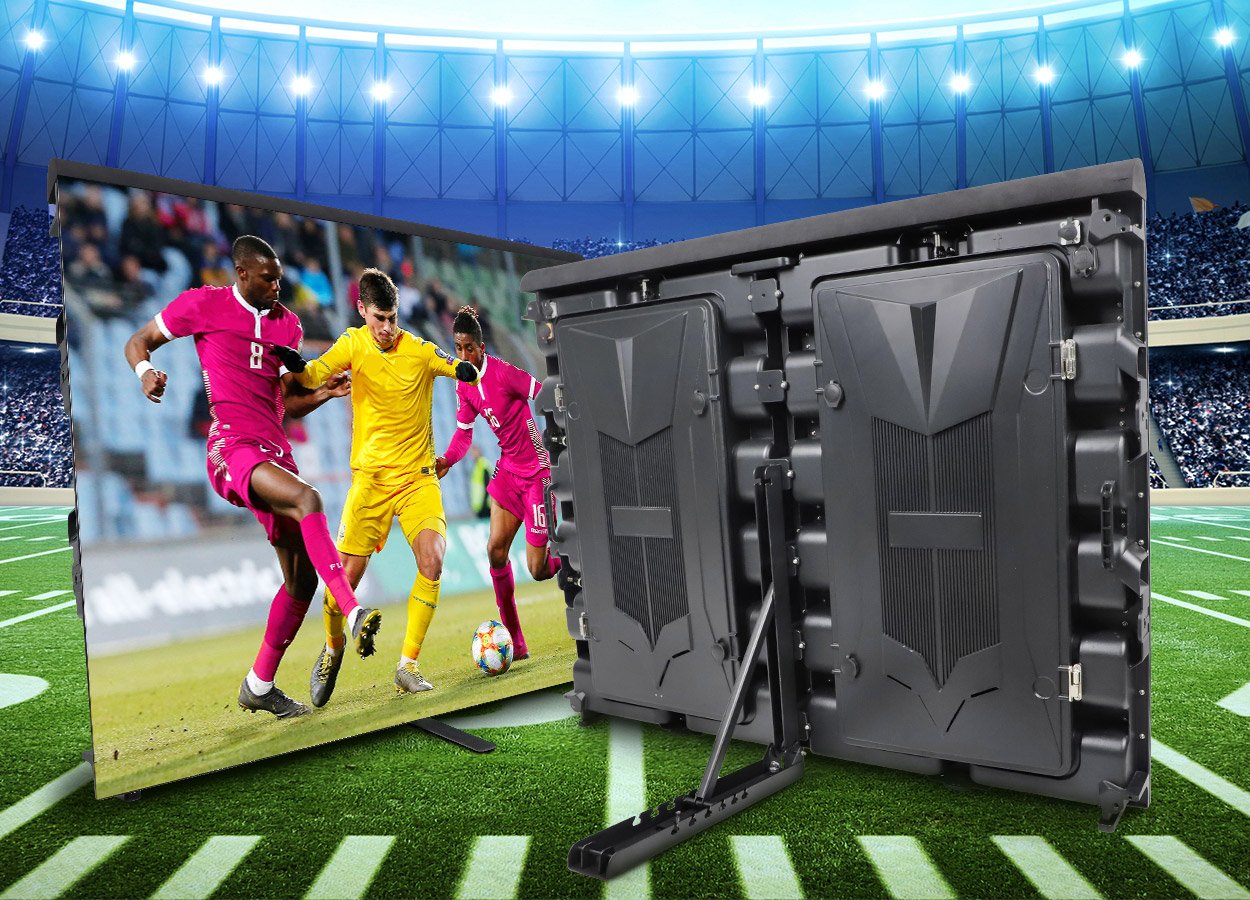
The structure of a rental LED emphasizes portability. The panels are slim, modular, and easy to handle, allowing for quick assembly and disassembly. This makes a rental-led screen rental ideal for industries like event production that require frequent setup and teardown.
Key Features and Characteristics of Rental LED Displays
Rental LED displays are defined by features that prioritize convenience and adaptability. Their design centers on the need to be moved, set up, and taken down repeatedly without compromising performance. This makes them distinct from their permanently installed counterparts.
The modular design allows for incredible flexibility, a key characteristic of a rental LED display. You can customize the screen size and shape to fit any venue or creative concept. Do you need a massive backdrop for a concert or a uniquely shaped screen for a car expo? A rental LED screen can be configured to meet these demands. Other key features include:
- Lightweight and Slim Panels: Designed for easy transport and handling.
- Fast-Lock Mechanisms: Enable quick and secure assembly, reducing setup time.
- High Brightness and Refresh Rates: Ensure vibrant, smooth visuals even in well-lit environments.
This flexibility in screen size and shape is a major benefit. The pixel pitch can also be selected to suit the viewing distance, ensuring your audience always gets a clear, sharp image.
Typical Applications and Use Cases for Rental LED Screens
You’ll find rental LED screens at the heart of many dynamic, short-term events where creating a visual impact is crucial. An LED screen rental is the perfect choice for situations that demand visual punch without a permanent commitment.
These displays excel in fast-paced, temporary environments. Their ability to deliver bright, clear images makes them far superior to traditional projectors, especially in locations with a lot of ambient light. Common use cases include:
- Concerts and Music Festivals: Creating stunning stage backdrops and live video feeds.
- Corporate Events and Conferences: Displaying presentations and branding with sharp clarity.
- Trade Shows and Exhibitions: Attracting visitors with eye-catching, creative displays.
- Sports Events: Providing live action replays and scores for temporary venues.
From fashion shows and car expos to global tech summits, rental screens offer the adaptability needed for temporary events. While they can be used as an outdoor LED display for events, they are not designed for long-term exposure like fixed models.
Exploring Fixed LED Displays
A fixed LED display is a permanent digital screen designed for continuous, long-term operation. These displays are built to be integrated directly into a location’s architecture, whether indoors or outdoors. Unlike temporary setups, a fixed LED display is engineered to run 24/7 and withstand various environmental conditions.
You will often see them in places like retail stores, houses of worship, and as a powerful outdoor LED display on building facades. They are built for stability and reliability, providing consistent messaging day in and day out. We’ll now look at their specific benefits and common installation spots.
Core Benefits and Design Attributes of Fixed LED Displays
Fixed LED displays are engineered for durability and performance in a permanent setting. Their design attributes focus on long-term reliability, seamless visual quality, and integration with their environment. These display solutions are built to last, often requiring a sturdy steel structure for support.
When choosing a fixed display, you should consider factors like its intended viewing distance, which will determine the necessary pixel pitch and resolution. The goal is to achieve a seamless image with accurate colors. The core benefits include:
- Superior Stability: A robust and permanent installation ensures long-term, reliable operation.
- High Resolution and Brightness: Offers exceptional image quality with high contrast and wide viewing angles, maintaining clarity even in direct sunlight.
Furthermore, many fixed displays feature a special design that allows for frameless video walls, creating an immersive experience without visible lines. This makes them ideal for environments where aesthetics are as important as function. High resolution and various pixel pitch options ensure the display is perfectly matched to its application.
Common Installation Environments for Fixed LED Screens
Fixed LED screens are the backbone of visual communication in many professional and public spaces. Their robust nature makes them suitable for a wide range of permanent installations where consistent performance is non-negotiable.
You’ll find an indoor LED display in many mission-critical settings. For example, broadcast studios rely on them for precise color output, while control rooms use them for 24/7 monitoring. Common indoor environments include:
- Conference Rooms and Corporate Lobbies: For presentations and creating a modern brand impression.
- Retail Stores and Shopping Malls: For running advertising campaigns and brand promotions.
- Houses of Worship: To ensure clear visibility for the congregation.
For outdoor use, these screens are built to endure the elements. They function as outdoor billboards along highways, scoreboards in stadiums, and information hubs in transportation centers. Unlike rental screens, outdoor fixed models are IP65-rated, offering protection against dust, moisture, and extreme temperatures, ensuring they operate effectively year-round.
Comparing Rental LED vs Fixed LED Displays
When deciding between a rental LED display and a fixed LED display, it’s important to understand the main differences that set them apart. Each is designed with a specific purpose in mind, and your choice will dramatically affect your project’s logistics, cost, and outcome. Rental displays offer flexibility, while fixed display solutions provide permanence.
The primary distinction lies in their installation type and design. Fixed screens are built for a single location, while rentals are made to move. Let’s examine these differences more closely, starting with their portability and flexibility.
Main Differences in Portability and Flexibility
Portability is the most significant advantage of a rental LED display. These systems are specifically engineered for mobility, featuring lightweight panels and fast-locking mechanisms that make them easy to transport, assemble, and take down. This makes them the clear winner for any project that involves travel or temporary setups.
In contrast, a fixed LED display is stationary. It is permanently installed and integrated into a building’s structure, making it heavy and immobile. The focus is on long-term stability rather than portability. Here’s a quick breakdown:
- Rental LED Display: Highly portable, lightweight, and designed for frequent transport.
- Fixed LED Display: Stationary, heavy, and built into the infrastructure for permanent use.
- Flexibility: The modular design of rental displays allows for customizable screen sizes and shapes for each event, a feature not available with fixed installations.
This inherent flexibility makes the rental-led display ideal for touring productions, trade show booths, and corporate events where needs can change from one venue to the next.
Image Quality, Resolution, and Brightness Comparison
Both rental and fixed LED displays offer excellent image quality, but they are tailored for different viewing environments. The perceived quality depends on factors like resolution, pixel pitch, and brightness, which are optimized based on the display’s intended use and viewing distance.
A fixed LED display often offers a wider range of pixel pitch options, from ultra-fine for close-up indoor viewing to larger pitches for distant outdoor billboards.
Rental displays also offer various resolutions but are generally geared toward delivering high brightness and vibrant colors to stand out in event settings. Outdoor models for both types are built with high brightness to combat direct sunlight.
Here is a comparison of key visual aspects:
| Aspect | Rental LED Display | Fixed LED Display |
|---|---|---|
| Primary Goal | Maximum impact for temporary events | Long-term reliability and seamless integration |
| Brightness | High brightness to overcome stage lighting and ambient light | Varies; very high for outdoor models (up to 8000 nits) |
| Resolution | Tailored to stage needs and typical viewing distances at events | Wide range of pixel pitch options for various distances |
| Color | Calibrated for vibrant, eye-catching visuals | Calibrated for accurate and consistent color reproduction |
Installation and Setup: What to Expect
The installation processes for a rental LED display and a fixed LED display are fundamentally different, reflecting their distinct design philosophy.
One is built for speed and repetition, while the other is constructed for permanence and durability. Understanding what to expect during setup can help you plan your project more effectively.
For rental screens, the focus is on quick deployment and teardown. In contrast, fixed screen installation is a more involved construction project. Let’s look at the specific steps involved for each type.
How Rental LED Display Installation Works
Installing a rental LED screen is a streamlined process designed for speed and efficiency. Since these screens are intended for temporary use, every component is optimized for quick assembly and disassembly. The panels are lightweight and feature user-friendly systems like fast locks.
The process typically involves connecting modular panels to create the desired screen size and shape. Because these displays are subject to frequent handling, they often come with reinforced frames and corner protectors to prevent damage. Key aspects of the installation include:
- Modular Assembly: Panels are snapped together quickly using built-in locking mechanisms.
- Seamless Splicing: Advanced calibration ensures that the connected panels form a single, uniform screen without visible gaps.
Thanks to this design, an entire stage wall can often be assembled in just a few hours. This rapid deployment is crucial for event production, where time is always a critical factor.
Steps for Installing a Fixed LED Display
The installation of a fixed LED display is a more complex and permanent undertaking. It is a construction project that requires careful planning and professional expertise to ensure the display is secure, stable, and seamlessly integrated into its environment.
Unlike a rental screen, a fixed display often requires a custom-built steel structure to support its weight and secure it to a building facade or indoor wall.
For outdoor environments, the installation must also account for weather resistance to protect against factors like moisture and extreme temperatures. The typical steps involve:
- Structural Mounting: A robust frame or steel structure is first installed to hold the display securely in place.
- Panel Integration: LED cabinets are then mounted onto the structure, followed by wiring for power and data, and final calibration.
This special design ensures the fixed LED display can operate reliably for years, even in harsh conditions, making it a true long-term investment.
Cost, Maintenance, and Longevity Considerations
Beyond installation, the financial and practical aspects of owning an LED screen are crucial. The cost, maintenance requirements, and lifespan of rental and fixed display solutions differ significantly. A fixed LED display represents a long-term capital investment, while rental options are based on a recurring rental fee.
Understanding these differences is key to determining the total cost of ownership and which option offers better value for your specific needs. Let’s dive into the pricing models and maintenance concerns for each.
Pricing Models and Short-Term vs Long-Term Value
The cost structures for rental and fixed LED displays are designed for different use cases. For short-term events, renting a display is almost always more cost-effective. You pay a rental fee for the duration of the event, which covers the equipment, and sometimes setup and support, without a high upfront cost.
A fixed LED display, on the other hand, requires a significant initial investment. This includes the cost of the screen itself, the supporting structure, and professional installation. However, for long-term applications, this one-time cost provides lasting value with lower operational expenses over time.
- Rental Display: Pay a rental fee per event, making it ideal for businesses with irregular event schedules.
- Fixed Display: Higher upfront investment but offers better long-term ROI for permanent installations.
- Owning a Rental Display: For companies that host frequent events, purchasing a rental-grade system can offer a better return than repeatedly renting.
Ultimately, the choice depends on the frequency of use. For one-off or infrequent short-term events, renting avoids a large capital expense.
Maintenance and Durability: Rental vs Fixed LED Display
Maintenance needs and durability are closely tied to how each display is designed and used. A rental LED display is built to withstand the rigors of frequent handling, transport, and reassembly.
Features like corner protectors and reinforced frames contribute to its durability on the road. Maintenance is often straightforward, with easy module swaps to quickly fix any issues on-site.
A fixed LED display is designed for longevity in a static environment. Its durability comes from robust, weather-resistant construction, especially for outdoor models. Maintenance for these displays is typically less frequent but may require more specialized access.
- Rental Display: Designed for easy on-the-go maintenance with swappable modules to handle issues from frequent handling.
- Fixed Display: Built for durability with minimal maintenance; often features front or rear access for servicing.
- Lifespan: Fixed displays generally have a longer lifespan due to their stable operating conditions, while the lifespan of a rental display depends on how it is handled.
Conclusion
In conclusion, choosing between rental LED and fixed LED displays comes down to your specific needs and context.
Rental LED displays offer unparalleled flexibility and portability, making them ideal for events and temporary setups, while fixed LED displays provide a permanent solution with longevity and lower ongoing maintenance.
By understanding the differences in installation, image quality, and costs, you can make an informed decision that best suits your requirements.
Whether you’re planning a short-term event or a long-term installation, evaluating these factors will ensure that you invest wisely. If you need assistance in deciding what’s right for you, don’t hesitate to reach out for a free consultation!

Pingback: metoprolol tart
Pingback: buy doxycycline antibiotics
Pingback: diflucan generic
Pingback: avodart
Pingback: metoprolol 50 mg price