Have you ever looked at a spec sheet for an LED display and felt puzzled by the term “contrast ratio”? It’s more than just a technical number; it’s a critical factor that directly shapes the image quality you see.
A good contrast ratio determines how vivid and detailed your picture is, making it a key element of your visual experience. This guide will explain what contrast ratio means, how it impacts your LED display, and what to look for when choosing a screen.
Key Highlights
Here’s a quick look at the main points about LED display contrast ratio:
- Contrast ratio is the measurement of the difference between the brightest white and the darkest black a display can produce.
- A higher contrast ratio is crucial for better image quality, delivering deeper blacks and more vibrant colors.
- The overall viewing experience is significantly impacted by contrast, affecting image clarity and detail.
- Factors like display technology, screen surface treatments, and ambient light all influence a screen’s contrast performance.
- Static contrast ratio is a more reliable measure for real-world performance than the often-inflated dynamic contrast ratio.
What Is Contrast Ratio of LED Displays?
At its core, the contrast ratio of an LED display is a simple concept. It quantifies the difference between the brightest and darkest colors the screen can show. Think of it as the ratio of the luminance of the brightest shade (white) to that of the darkest shade (black).
A higher number generally means a more striking and realistic image.

For instance, a display might have a static or dynamic contrast ratio, each measured differently but both aiming to describe its performance. We will explore what these terms mean and how they define the quality of your display.
Definition of Contrast Ratio
So, what does contrast ratio mean for LED displays? It is the fundamental measure of the difference in brightness between the most brilliant white and the deepest black that a screen can generate.
This metric is vital for any display technology because it has a direct impact on how vivid colors appear and how much detail you can see in both bright and dark scenes.
For example, if a display has a contrast ratio of 2,000:1, it means the brightest white it can produce is 2,000 times brighter than the darkest black. This ability to create a wide range between light and dark is what gives an image its depth and dimension.
A display with a high contrast ratio can produce rich, deep blacks instead of grayish tones, making the entire picture pop. This leads to a more immersive and lifelike visual, whether you’re watching a movie or viewing a presentation.
How Contrast Ratio Is Expressed (Ratio Format)
You will always see contrast ratio expressed as a pair of numbers, such as 1000:1 or 5000:1. This format represents the ratio of the luminance of the brightest shade to that of the darkest shade.
The first number indicates how many times brighter the whitest white is compared to the blackest black, which is represented by the number “1.”
Therefore, a 3000:1 native contrast ratio signifies that the screen’s brightest white is 3,000 times more luminous than its darkest black. A larger first number points to a greater difference between the two extremes, which is generally desirable for better picture quality.
This simple ratio is a powerful indicator of a display’s potential performance. The quality of LED components and the underlying technology heavily influence this number, with premium displays often boasting much higher native contrast ratios.
Basic Principles Behind Contrast Ratio Measurements
When discussing contrast ratio, it’s important to understand the two primary ways it’s measured: static and dynamic. Static contrast ratio, often considered the more authentic measurement, is the ratio between the brightest white and darkest black that can be displayed on the screen at the same time, within a single image.
This measurement reflects the display’s inherent capabilities under normal viewing conditions. It gives you a realistic idea of the contrast you will experience day-to-day.
Dynamic contrast, on the other hand, measures the difference between the brightest white and darkest black the screen can produce over time. This is achieved by the display’s electronics adjusting the backlight brightness based on the content being shown. While the numbers for dynamic contrast are often dramatically higher, they don’t always translate to a better typical viewing experience.
Why Contrast Ratio Matters in LED Displays?
It directly influences the overall image quality and your viewing experience. A screen with a higher ratio can display finer details in shadows without losing the vibrancy of bright areas, resulting in a clearer and more realistic picture.
This is especially true in environments with changing ambient light, where a good contrast ratio ensures your content remains readable and engaging. Let’s look closer at how this specification affects color, clarity, and performance in different settings.

Role in Color Accuracy and Vibrancy
A high contrast ratio plays a significant role in a display’s ability to produce accurate and vibrant colors. When a screen can achieve deeper blacks, the other colors next to them appear more brilliant and saturated. This distinction allows an LED display to showcase more vivid reds, greens, and blues.
Imagine watching a nature documentary. With a high LED display contrast ratio, the lush greens of a forest and the bright feathers of a tropical bird will look more lifelike and striking. Without it, colors can seem muted or “washed out,” diminishing the visual impact.
This enhanced color vibrancy is essential for any application where visuals are key, such as advertising, entertainment, and creative design. A display with high contrast brings content to life, making the experience more engaging for the viewer.
Impact on Image Clarity and Detail
Does a higher contrast ratio always mean better image quality on LED displays?
In terms of clarity and detail, the answer is generally yes. The ability to produce deeper blacks and brighter whites allows a display to render sharper image detail. This distinction is what separates a flat, lifeless picture from one that feels dynamic and three-dimensional.
When you’re watching a movie with many dark scenes, a high-contrast screen will reveal subtle details in the shadows that would be lost on a lower-contrast display. Similarly, bright highlights will appear crisp and defined without blowing out the surrounding areas.
This improved image clarity ensures that no part of the picture is obscured. The result is a more immersive and detailed visual that faithfully represents the original content, making everything from movies to complex graphics easier to see and appreciate.
Benefits for Different Viewing Environments
The right contrast ratio is also crucial for ensuring a great viewing experience in different environments. The amount of ambient light in a room can dramatically affect how you perceive the image on a screen. A display with a higher contrast ratio is better equipped to handle these variations.
For example, in a brightly lit room or an outdoor setting, a high-contrast screen can cut through the glare and prevent the image from looking washed out. Can ambient lighting influence the contrast ratio of an LED screen? Absolutely, and having a higher ratio helps combat its negative effects.
Here’s how it helps in specific environments:
- Home Entertainment: In a dark home theater, high contrast delivers deep blacks and cinematic quality.
- Outdoor LED Displays: For digital billboards, a high ratio ensures content is legible even in direct sunlight.
- Indoor LED Displays: In conference rooms or retail shops, it provides clarity and readability from various angles.
Key Factors Affecting LED Display Contrast Ratio
What factors affect the contrast ratio of an LED display? Several elements come into play, from the core technology to the environment where the screen is used. The panel design, screen surface treatments, and even your display calibration settings can significantly alter the contrast performance.
Furthermore, ambient lighting conditions are a major external factor. A display that looks fantastic in a dark room might struggle in a brightly lit space. Let’s explore each of these factors in more detail.
LED Technology and Panel Design
The type of LED technology and panel design used in a display is a primary driver of its contrast performance. The quality of the LED itself plays a huge role. High-end displays often use black LEDs or modules with black masks, which absorb ambient light and reduce reflections, naturally improving contrast.
For example, the OK series of outdoor advertising screens uses a special brim frame design, which reduces the area of direct light shining on the LED beads, making them more contrasting and able to display vibrant colors even in strong light environments.

Advanced packaging technologies like COB and Mini-LED allow for better control of each individual LED (pixel).On ordinary LED screens, dark pixels next to bright pixels may be illuminated by “light leakage,” resulting in a less pure black.
However, COB or Mini-LED, due to their tighter packaging and more precise light control, prevent light from wandering, allowing each pixel to perform its specific function.Therefore, when the screen needs to display black, the black areas truly become black; and the bright areas remain bright.
The driver circuits that power the LEDs also contribute. High-quality drivers provide more precise control over brightness and color, further enhancing the display’s ability to create a clear distinction between light and dark areas.
Screen Surface Treatments
Screen surface treatments are another critical factor that can make or break a display’s contrast, especially when dealing with ambient light. Many modern LED displays come with an anti-reflective coating. This specialized layer helps to minimize reflections from light sources like windows or overhead lights, which can otherwise wash out the image and reduce perceived contrast.
You might also encounter matte versus glossy screens. A matte screen scatters light, which is effective at reducing distracting reflections but can sometimes soften the image slightly. A glossy or mirror screen, while often appearing to have deeper blacks in a dark room, can suffer from significant reflections in bright environments.
By reducing the impact of external light, these surface treatments help preserve the display’s intended contrast, ensuring better color accuracy and deeper blacks even when you can’t control the lighting around you.
Impact of Display Calibration
Proper display calibration is essential for maximizing your screen’s contrast ratio and overall image quality. Out-of-the-box settings are not always optimal, and simple adjustments can make a big difference. For instance, setting the brightness too high can cause blacks to appear gray and washed out, effectively lowering the contrast.
Conversely, a well-calibrated display balances brightness and contrast to produce a detailed and accurate image. Color calibration also plays a part, as inaccuracies can affect how contrast is perceived. Professional calibration tools can be used to fine-tune these settings for the best possible performance. (Real-world COB display calibration case)

Even features like dynamic contrast ratio settings can be adjusted. While they can boost numbers on a spec sheet, sometimes turning them off or lowering them can provide a more stable and natural-looking picture. Regular calibration ensures your display continues to perform at its peak.
Influence of Ambient Lighting Conditions
Ambient lighting conditions have a profound influence on the perceived contrast ratio of an LED display. Your screen might have an excellent native contrast ratio, but its performance can be compromised by the light in the surrounding environment.
Strong ambient light, especially direct sunlight, is the biggest challenge. It reflects off the screen surface and can make dark areas of the image appear brighter, effectively “crushing” the blacks and reducing the visible contrast. This is why outdoor displays require extremely high brightness and contrast levels to remain visible.
Here’s how different lighting conditions affect contrast:
- Bright Environments: In a well-lit office or room with large windows, a higher contrast ratio is needed to maintain image clarity.
- Direct Sunlight: This is the most challenging scenario, where even high-contrast displays can struggle without sufficient brightness and anti-reflective surfaces.
- Indoor Environments: In controlled indoor or dark environments, the display’s native contrast is more apparent, leading to a much better viewing experience.
Typical Contrast Ratios and What Makes a “Good” Contrast Ratio
So, what is considered a good contrast ratio for an LED display? The answer really depends on your needs and how you plan to use the screen.
A ratio that’s perfectly fine for office work might not be sufficient for a home theater enthusiast. High contrast ratios deliver a more immersive experience, but not every application requires the best contrast ratio available.
Understanding the common ranges and what they offer can help you make an informed choice. Let’s look at what different numbers mean in practice and what you should look for.
Common Contrast Ratio Ranges for LED Displays
LED displays come with a wide range of contrast ratio specifications, so it’s helpful to know what to expect. These numbers typically refer to the native or static contrast ratio, which is the most reliable measure of performance.
Generally, you can group them into a few common tiers. Budget-friendly or entry-level displays often fall into the lower end of the spectrum, while high-end models designed for premium visual experiences will boast much higher numbers. A high contrast display will always provide a more dynamic and engaging picture.
Here are some common ranges you will encounter:
- 1000:1 to 3000:1: This is a typical range for many standard office monitors and budget-friendly TVs. It’s sufficient for general use.
- 3000:1 to 5000:1: This mid-range is great for more immersive experiences like gaming and watching movies.
- 5000:1 and above: High-end displays, especially those with advanced panel technology, fall into this category, offering superior image depth and detail.
Optimal Contrast Ratios for Various Applications
The optimal contrast ratio for your LED display truly depends on its intended purpose. You don’t always need to pay for the highest ratio if your tasks don’t demand it. Matching the LED display contrast to the application ensures you get the best value and performance for your money.
For professional creative work like video editing or graphic design, a high and accurate static contrast ratio is critical for judging content correctly. For entertainment, a higher ratio translates to a more cinematic and immersive feel.
Here are some recommendations for optimal contrast ratios based on use case:
- Everyday Tasks: For web browsing and office work, a ratio of 1000:1 is generally sufficient.
- Home Entertainment: For watching movies and shows, aim for 3000:1 or higher for a great experience.
- Digital Signage and Gaming: A ratio of 5000:1 or more is ideal for creating impactful visuals and seeing detail in dark game scenes.
High vs Low Contrast — What Users Should Look For
When choosing a display, the difference between high and low contrast is clear. A display with high contrast produces a picture that is rich, deep, and full of detail.
You’ll notice deeper blacks that look truly black, not gray, and bright whites that pop without losing definition. This leads to sharper image detail and a more lifelike visual experience.
On the other hand, a low contrast display will have a flat, “washed-out” appearance. Dark areas in an image will lack depth, and colors may seem muted. The overall picture will feel less dynamic and engaging, making it harder to pick out fine details.
Ultimately, users should look for a display with the highest static contrast ratio their budget allows for their specific application. While dynamic contrast numbers can be tempting, focusing on the static ratio will give you a much better indication of the real-world visual experience you can expect.
Contrast Ratio for Different Applications
In the world of visual technology, Contrast Ratio is the secret sauce that separates a “washed-out” image from a “vibrant, life-like” experience. It is defined as the ratio between the luminance of the brightest white and the darkest black a screen can produce.
For a display to be effective, it must fight against its environment’s ambient light. Below is a breakdown of the contrast requirements for different LED applications.
Outdoor Advertising LED Displays
The Challenge: Direct sunlight and high ambient brightness.
Outdoor displays must prioritize Brightness (Nits) to maintain a visible contrast ratio. If the screen isn’t bright enough, the “blacks” will look grey due to sunlight reflecting off the surface.
Standard Contrast Ratio: Typically between 3,000:1 and 5,000:1.
Key Feature: High-quality outdoor LEDs use “louvers” (small black plastic shades over each pixel) to minimize sunlight reflection and deepen black levels.
External Reference: Learn more about the physics of Contrast Ratio on Wikipedia.
Indoor LED Screens
The Challenge: Controlled lighting, but high demand for detail and color depth.
Indoor environments (like boardrooms or retail stores) have much lower ambient light, allowing for a much higher perceived contrast. Here, the focus shifts from raw power to Grayscale performance.
Standard Contrast Ratio: Usually 5,000:1 to 10,000:1.
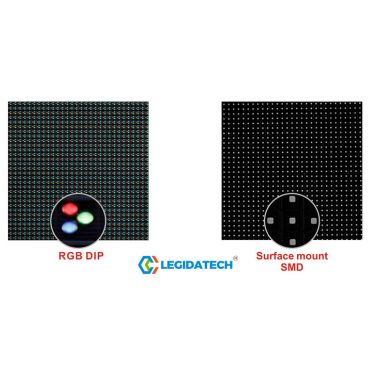
Technology: Many indoor LED screens now use Black SMD (Surface Mount Device) technology. By using black housing for the LED chips instead of white, the “off” state of the pixel is significantly darker, pushing contrast ratios to elite levels.
Stadium & Rental LED Displays
The Challenge: Dynamic movement and extreme viewing angles.
Whether it’s a scoreboard at a FIFA match or a backdrop for a rock concert, these screens must handle fast-moving video without losing clarity.
Standard Contrast Ratio: Ranges from 4,000:1 to 6,000:1.
The “Rental” Factor: Rental screens are moved frequently. High contrast is essential here because the “background” of a stage is often dark, and any light leakage from the LED pixels can ruin the stage design.
Comparison Table: Contrast at a Glance
| Application | Typical Contrast Ratio | Primary Goal |
| Outdoor Advertising | 3,000:1 – 5,000:1 | Combatting Sunlight |
| Indoor Commercial | 5,000:1 – 10,000:1 | Color Accuracy & Detail |
| Stadium / Rental | 4,000:1 – 6,000:1 | Dynamic Range & Impact |
Conclusion
Understanding contrast ratio is crucial for maximizing your viewing experience with LED displays. As we’ve explored, a higher contrast ratio enhances color accuracy, image clarity, and detail, which can significantly impact how we enjoy content across various environments.
With technological advancements and innovations in LED displays, it’s essential to stay informed about the specifications that best suit your needs. Whether you’re gaming, watching movies, or working, the right contrast ratio will make all the difference.
If you want personalized advice on choosing the best display for your requirements, feel free to reach out to LEGIDATECH for a free consultation. Your perfect viewing experience awaits!
Learn More About LED Contrast Ratio