


Installing a jumbotron LED screen is a transformative project that can elevate events, stadiums, and public spaces with stunning visuals. These massive displays, known for their high brightness and clarity, require precise planning and execution to ensure longevity and optimal performance.
Whether you’re upgrading a sports venue or setting up for a concert, understanding the jumbotron LED screen installation process is crucial. At LEGIDATECH, we’ve successfully deployed over 100 such installations worldwide, including a recent project at a major European soccer stadium where our modular screens enhanced fan engagement without downtime.
Our range of products, from high-resolution modular LED panels to weather-resistant outdoor displays, ensures customized solutions backed by comprehensive installation services.
This guide walks you through every stage, from site preparation to final calibration, drawing on industry best practices and real-world insights. By following these steps, you’ll avoid common pitfalls and achieve a seamless setup.
Preparing Your Site for Jumbotron LED Screen Installation
The foundation of any successful jumbotron LED screen installation lies in thorough site preparation. Begin with a detailed evaluation of the location.
For outdoor setups, assess environmental factors like sunlight exposure, wind patterns, and potential obstructions. Indoor venues require checking ceiling heights, structural integrity, and accessibility for equipment.
Consider the viewing distance and audience size to determine the ideal screen dimensions and pixel pitch. A smaller pixel pitch (e.g., P5mm for medium-range viewing) ensures sharper images from closer distances, as outlined in our pixel pitch table from previous projects.
| Pixel Pitch | Recommended Viewing Distance | Typical Applications |
|---|---|---|
| P2.5mm – P4mm | Under 8ft | Indoor events, control rooms |
| P5mm – P8mm | 8 – 20ft | Corporate lobbies, shopping malls |
| P10mm – P16mm | 20ft+ | Stadiums, outdoor concerts |
At LEGIDATECH, our site surveys include soil testing for ground-mounted structures and load-bearing calculations for wall or truss mounts. In one case, for a desert festival installation, we reinforced the frame to withstand high winds, ensuring the screen remained stable throughout the event.
Our professional services team handles these assessments as part of our end-to-end product offerings, integrating seamlessly with our energy-efficient LED Modules
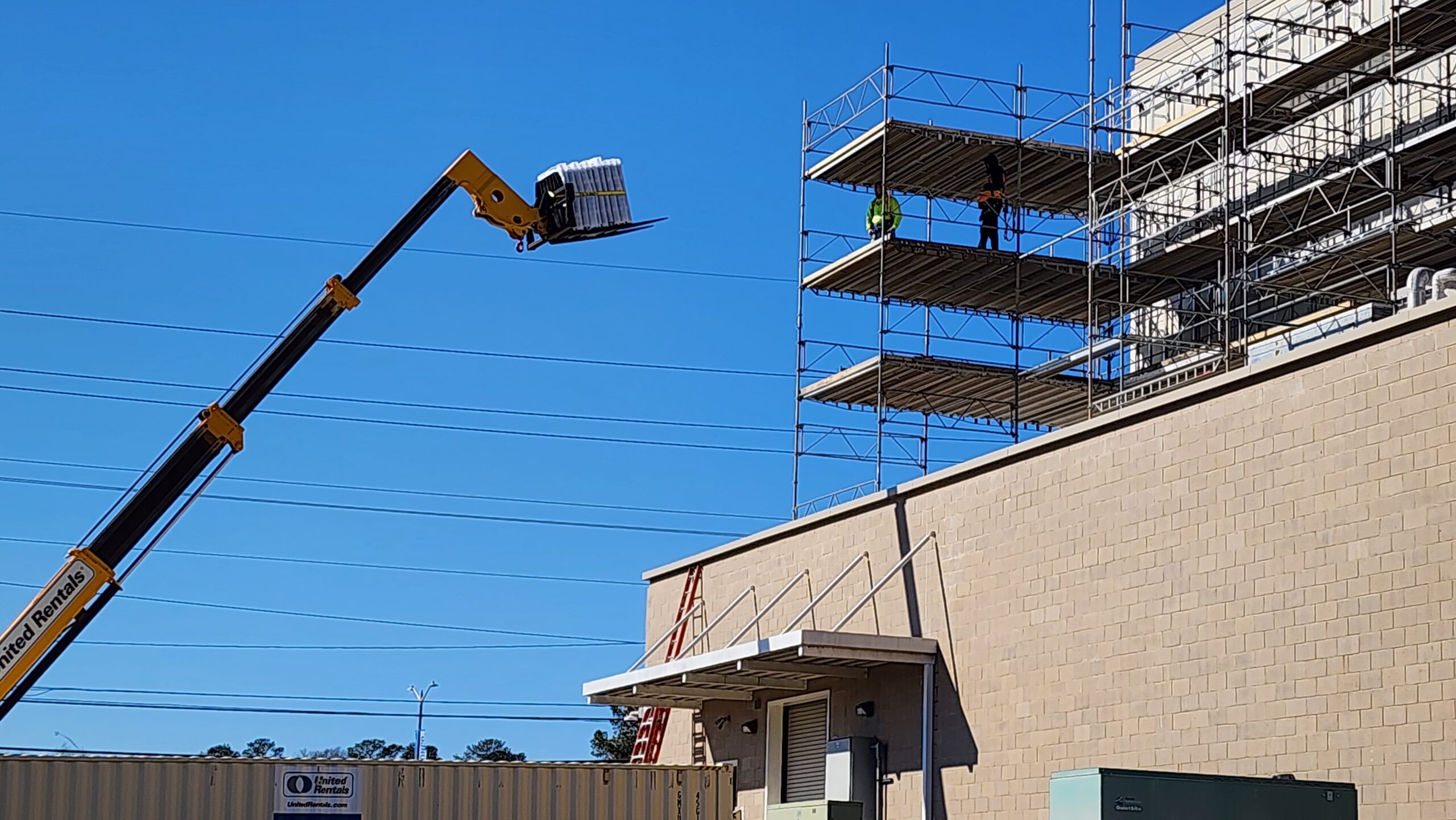
Secure necessary permits early, especially for outdoor installations involving electrical work or structural modifications. Safety is paramount—use certified scaffolding and protective gear to prevent accidents during this phase.

Assembling Modular LED Panels for Your Jumbotron
Jumbotron LED screens are typically modular, allowing flexibility in size and shape. Start assembly by unpacking the LED panels carefully to avoid damaging the delicate diodes. Each panel connects via locking mechanisms or magnets for a seamless video wall.
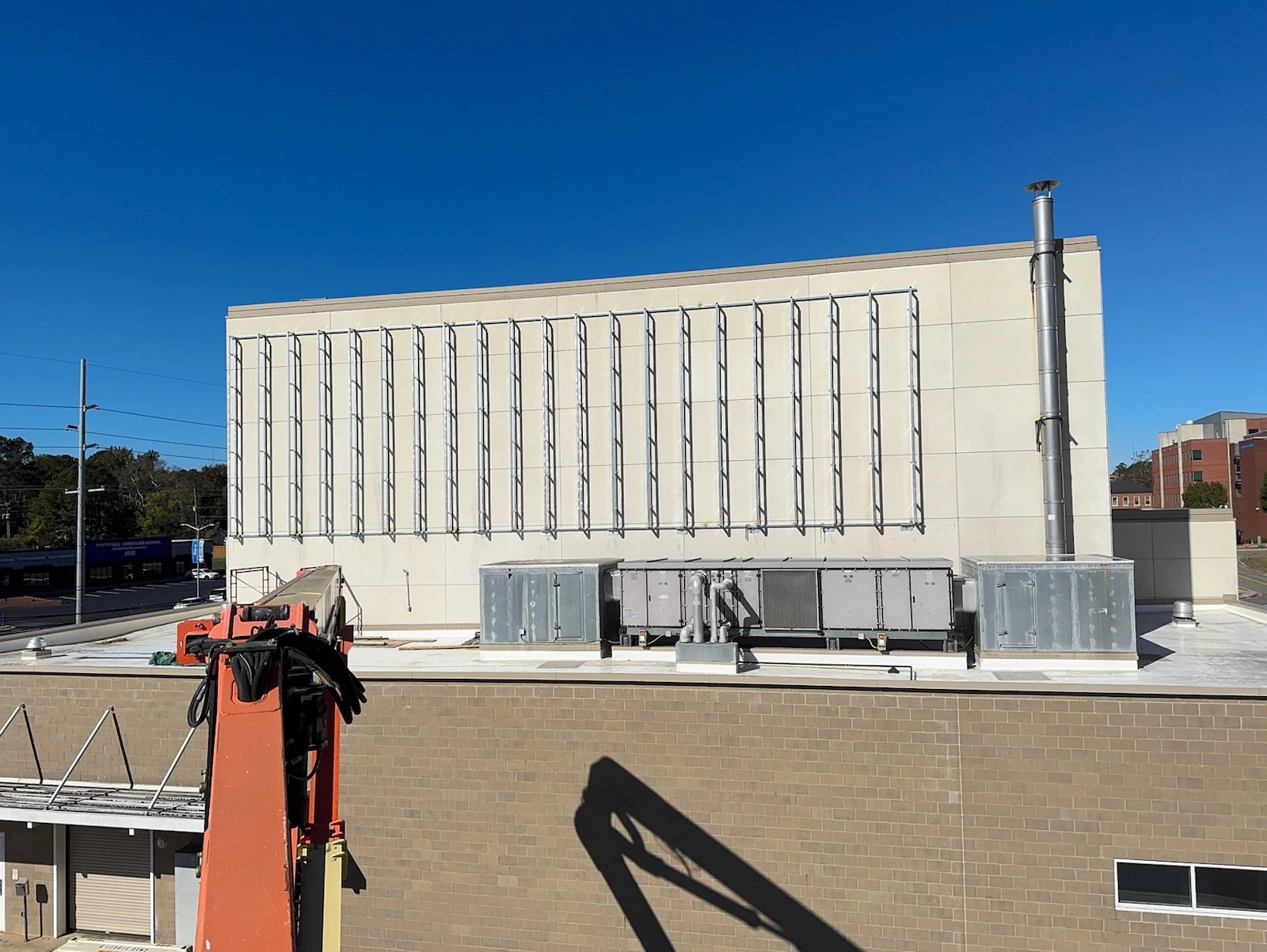
Follow the manufacturer’s blueprint to align panels horizontally and vertically. Use leveling tools to ensure evenness, as misalignment can cause visible seams or distorted images. For larger screens, divide the assembly into sections—assemble on the ground then hoist into place using cranes for overhead installations.
Incorporate weatherproofing for outdoor units. LEGIDATECH‘s IP65-rated panels, used in our Times Square billboard project, feature sealed edges that resist dust and water, extending lifespan beyond 100,000 hours. These products are designed for easy assembly, complementing our installation services that include on-site training and support.
Connect data and power cables systematically. Daisy-chain panels to minimize wiring clutter, and test connections incrementally to catch issues early. This modular approach not only simplifies installation but also eases future maintenance.
Control Systems and Wiring Essentials in Jumbotron Setup
A robust control system is the brain of your jumbotron LED screen installation. This includes video processors, content management software (CMS), and signal distributors. The CMS allows scheduling live feeds, videos, and graphics, with features for multi-source switching—ideal for sports events showing replays and stats simultaneously.
Wiring demands precision to prevent signal loss or electrical hazards. Use high-quality, shielded cables rated for outdoor use if applicable. Ground all components to avoid static interference, and install surge protectors against power fluctuations.
For LEGIDATECH installations, we integrate advanced processors that support HDR for enhanced color depth. In a recent concert venue project, this setup enabled seamless transitions between performer close-ups and audience cams, boosting engagement.
Our products come with compatible control systems, and our service packages include customization to fit specific venue needs.
Route cables through conduits for protection and aesthetics. Label everything for easy troubleshooting. Finally, power up in stages: first the panels, then the controller, verifying no shorts or overloads.
Common Challenges and Solutions in Jumbotron LED Screen Installation
Even with planning, challenges arise during jumbotron LED screen installation. Weather delays are common for outdoor projects—heavy rain or winds can halt work, risking worker safety and equipment damage. Solution: Schedule during favorable seasons and have contingency plans, like temporary covers.
Overheating is another issue, as LEDs generate heat. Ensure proper ventilation with built-in fans or spacing between panels. LEGIDATECH‘s designs include advanced cooling systems, proven in hot climates where screens operated flawlessly for extended periods, as part of our durable product line.
Wiring complexities, such as short circuits or signal degradation over long distances, can occur. Use fiber optic cables for extended runs and conduct thorough pre-installation tests.
Structural integrity problems, like unstable mounts, pose risks. Always consult engineers for load calculations. In our stadium upgrades, reinforced trusses prevented any sagging, maintaining perfect alignment, thanks to our integrated engineering services.
Addressing these proactively ensures a smooth process and reliable operation.
Post-Installation Calibration and Testing Tips
Calibration is the final critical step in jumbotron LED screen installation. Adjust brightness, color balance, and contrast using specialized software to achieve uniform visuals across the entire display. Tools like colorimeters help match panels precisely.
Test under various conditions: daytime for glare resistance, nighttime for brightness levels. Run diagnostic sequences to check for dead pixels or flickering. Integrate with content sources to verify smooth playback of HD videos and live feeds.
LEGIDATECH provides on-site training post-installation, as in our corporate lobby projects where clients learned to optimize settings for different events. This is included in our comprehensive service offerings, ensuring your investment in our high-quality products performs at its best.
Regular testing post-setup catches early issues. Schedule monthly checks for connections and software updates to maintain peak performance.
Why Professional Assistance Matters for Jumbotron Installations
While DIY approaches exist for smaller screens, professional installation is recommended for large jumbotrons due to complexity and safety concerns. Experts handle permitting, engineering, and warranties, reducing risks.
At LEGIDATECH, our turnkey services cover everything from design to maintenance, backed by case studies like our eco-friendly arena project that reduced energy use by 30% through efficient LED tech.
For insights on budgeting, explore our “Jumbotron LED Screen Price: Guide & Costs-2026” to understand investment considerations alongside installation.
Conclusion
Mastering jumbotron LED screen installation unlocks immersive experiences for audiences. By following this guide—preparing sites, assembling panels, wiring systems, overcoming challenges, and calibrating—you’ll ensure a durable, high-impact display. For tailored solutions, contact LEGIDATECH today to bring your vision to life.
Learn more about Jumbotron LED Screen on our main Jumbotron LED Screen guide.
Frequently Asked Questions
What tools are needed for jumbotron LED screen installation?
Essential tools include levels, cranes for lifting, cable testers, and calibration software. LEGIDATECH kits come with custom tools for efficient setup.
How long does a typical jumbotron LED screen installation take?
It varies by size—small setups take 1-2 days, while stadium-scale projects can span 1-2 weeks, including testing.
Can jumbotron LED screens be installed on uneven surfaces?
Yes, with adjustable mounts and engineering assessments. Our LEGIDATECH teams specialize in adapting to challenging terrains.
What maintenance is required after installation?
Regular cleaning, connection checks, and software updates. LEGIDATECH offers service plans for hassle-free upkeep.
Are there eco-friendly options in jumbotron LED screen installation?
Absolutely—energy-efficient LEDs and recyclable materials. Our recent projects emphasize sustainability without compromising quality.
Pingback: dapoxetine tablet