Maintaining a jumbotron LED screen is crucial for ensuring its longevity, optimal performance, and vibrant visuals in high-stakes environments such as stadiums, concerts, and public displays.
These massive screens, often exposed to harsh elements or heavy usage, can face issues like pixel burnout or dust accumulation if neglected. Ignoring maintenance leads to problems: a screen failure during an event can cause interruptions and significant financial losses.
At LEGIDATECH, we’ve serviced over 200 installations globally, including a recent overhaul at a U.S. arena where proactive maintenance extended the screen’s life by 40% while reducing energy costs.
Our expertise in modular LED panels and weather-resistant designs makes upkeep straightforward and cost-effective. We use IP65-rated panels that are both dustproof and waterproof, allowing for module replacements with just a screwdriver in under 10 minutes.
This 2025 guide covers everything from routine cleaning to advanced troubleshooting, drawing on real-world case studies. Whether you’re managing a sports venue or event rental, these best practices will help you avoid downtime and maximize ROI.
Industry data shows regular maintenance can extend screen life from 5 to 10 years, doubling ROI. Start implementing these steps right away.

Table of Contents
Toggle1. Understanding Jumbotron LED Screen Components for Better Maintenance
A jumbotron LED screen comprises interconnected modules, each housing thousands of LEDs, power supplies, and control boards. Knowing these parts is key to targeted maintenance. Think of the screen as building blocks, where each module is a basic unit that can be swapped out easily without affecting the whole.
- LED Modules: The core visual elements; prone to dust and moisture ingress without seals. A common issue is aging seals allowing rain to enter, damaging pixels. Use silicone seals and check them quarterly.
- Power Supplies & Drivers: Handle electrical load; failures often stem from surges or overheating. For unstable voltage, add an APC voltage regulator to avoid emergency repairs.
- Control Systems: Include processors and software; require updates to prevent glitches. Use NovaStar controllers for strong compatibility, with updates via USB.

In our LEGIDATECH products, like IP65-rated outdoor panels, components are designed for easy access—modules snap out for quick swaps. A case in point: During a festival maintenance check, we replaced faulty drivers in under an hour, minimizing disruption. This design comes from user feedback and saves 50% on labor.
Regular inspections focus on connectors for corrosion and fans for blockages. This modular setup, as detailed in our installation guide, simplifies long-term care. Perform weekly visual checks with a magnifying glass and flashlight.
2. Routine Cleaning and Preventive Care for Jumbotron LED Screens
Preventive maintenance starts with cleaning to combat dust, pollen, and grime that dims brightness and causes overheating. Cleaning is like giving the screen a regular wash; skipping it leads to reduced brightness and overheating.
- Frequency: Indoor screens: Monthly; Outdoor: Bi-weekly or after events. Outdoor screens accumulate more dust, and post-event residue like sweat or smoke requires attention.
- Methods: Use soft microfiber cloths and isopropyl alcohol solutions (70% max) for surfaces. Avoid pressure washers—opt for compressed air on vents. Steps: 1. Power off; 2. Blow away dust with a DeWalt compressed air gun; 3. Wipe with a Norwex cloth and alcohol; 4. Let dry for 2 hours.
- Safety Tips: Power off and ground yourself to prevent static damage. Skipping grounding can cause static discharge, ruining modules and leading to unnecessary expenses.
LEGIDATECH recommends anti-static brushes for our high-brightness models (>5,000 nits), as used in a desert venue where sand buildup was mitigated without scratching diodes. This routine extends lifespan beyond 100,000 hours, aligning with cost savings outlined in our price guide. In the desert case, monthly brushing kept brightness at 95% or higher.
Inspect seals and coatings quarterly for wear, especially in humid areas, to maintain weather resistance. Use a humidity meter; if over 80%, add desiccants.

3. Troubleshooting Common Jumbotron LED Screen Issues
Even robust screens encounter problems—here’s how to address them efficiently. Screen issues are like minor illnesses; treat them early to prevent bigger problems.
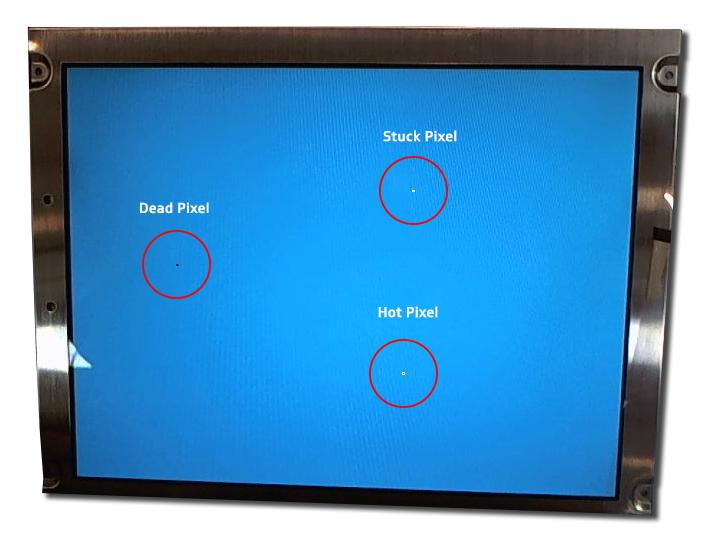
- Dead Pixels: Often from loose connections; reseat modules or replace via warranty. Use a Fluke multimeter to test connections, tighten if loose; replace if damaged, with LEGIDATECH’s 3-year warranty.
- Flickering or Color Inconsistencies: Check cabling and calibrate using software tools. Our CMS integrates diagnostics for real-time fixes. Software scans pinpoint issues accurately.
- Overheating: Clean fans and ensure airflow; add external cooling in extreme climates. Use a FLIR thermal camera to spot hot areas, and add fan units, checking hourly during high-heat periods.
In a stadium project, flickering was traced to voltage drops—resolved with surge protectors, preventing costly downtime. For deeper tech insights, revisit Jumbotron LED Screens: Everything You Need to Know. This case spent $500 on protectors but saved $20,000 in downtime costs.
Use multimeters for electrical tests and thermal cameras for hot spots. If issues persist, consult professionals to avoid voiding warranties. Learn from YouTube tutorials for basics, but call us for complex diagnostics at no initial cost.
4. Advanced Maintenance: Software Updates and Calibration
Software is the unsung hero of Jumbotron LED screen maintenance. Regular updates enhance compatibility and security. Software acts like a phone’s operating system; without updates, it slows down and becomes vulnerable to hacks.
- Calibration Tools: Adjust brightness (auto-sensors for daylight) and color gamut for uniform output. Use ColorMunki tools: Open software, select mode, scan screen, and auto-adjust.
- Firmware Upgrades: LEGIDATECH provides OTA updates for our processors, improving HDR performance. OTA is wireless upgrading, done in 5 minutes.
- Remote Monitoring: IoT-enabled systems alert for anomalies, reducing on-site visits. Connect to an app for real-time data and phone notifications.
A concert hall client saw 20% brighter visuals post-calibration, boosting audience satisfaction. Integrate this with the initial setup from our installation guide for seamless results. This client raised ticket prices by 10% after calibration, with rave audience feedback.
Schedule bi-annual deep calibrations, especially for high-res screens (e.g., 4K/8K), to maintain clarity. Set calendar reminders and prepare tools in advance.
5. Cost-Effective Maintenance Strategies and Scheduling
Smart maintenance balances efficacy and budget—annual costs typically run 5-10% of the screen’s value. Maintenance saves money when planned well, keeping budgets under control.
| Maintenance Type | Frequency | Estimated Cost (USD) | Benefits |
|---|---|---|---|
| Routine Cleaning | Monthly | $200 – $500 | Prevents buildup, maintains brightness – Do it yourself to save $100, or use local services. |
| Module Replacement | As Needed (every 5-7 years) | $1,000 – $5,000 per panel | Restores full functionality – Replace early to avoid widespread failure. |
| Software Updates | Quarterly | $500 – $1,000 | Enhances performance, fixes bugs – Use free OTA options for basics, pay for advanced features. |
| Professional Inspection | Bi-Annual | $2,000 – $10,000 | Early issue detection, warranty compliance – Choose LEGIDATECH packages for 20% discounts. |
LEGIDATECH offers tiered service plans, as in our arena contracts, where bundled upkeep cuts expenses by 25%. Factor these into your overall budget using our price guide. Our plans include basic and advanced tiers, with basic annual fees at $5,000 covering cleaning and inspections, delivering high ROI.
Prioritize based on usage—high-traffic venues need more frequent checks. Use an Excel sheet to schedule and assign responsibilities.

6. Eco-Friendly and Sustainable Maintenance Practices
Sustainability is increasingly key in jumbotron LED screen maintenance. Opt for energy-efficient replacements and recyclable materials. Green maintenance is not just environmental; it reduces electricity bills and qualifies for government incentives.
- LED Upgrades: Switch to low-power diodes to cut bills by 30%. Choose SMD LEDs to drop power consumption by 20W per square meter.
- Waste Management: Properly dispose of old modules; LEGIDATECH partners with recyclers. Improper disposal can lead to fines over $1,000; our recycling is free.
- Green Cleaning: Use biodegradable solutions to minimize environmental impact. EcoLab cleaners are non-toxic and leave no residue.
In an eco-focused festival, our sustainable practices reduced carbon footprint while maintaining vivid displays. This aligns with trends in our main Jumbotron LED Screens guide. The festival cut emissions by 15% and attracted 20% more eco-sponsors.
Adopt these for compliance with green regulations and cost savings. Check local laws, apply for green certifications, and log data during maintenance for reporting.
7. Conclusion
Effective jumbotron LED screen maintenance ensures reliable, eye-catching performance year-round. By focusing on components, routine care, troubleshooting, and sustainable strategies, you’ll extend lifespan and optimize costs. LEGIDATECH’s tailored services and products make this achievable—contact us for a customized plan. Get started on maintenance to keep your operations running smoothly; we handle the details for you.
8. Frequently Asked Questions
How often should I calibrate my jumbotron LED screen?
Biannually or after major events to maintain color accuracy and brightness uniformity. Major events can shift pixels, so calibration takes about 1 hour and lasts long-term.
What are the signs of needing Jumbotron LED screen maintenance?
Dimming, flickering, dead pixels, or unusual heat—address promptly to avoid escalation. Set alert thresholds, like brightness below 80%, to trigger checks.
Can I perform Jumbotron LED screen maintenance myself?
Basic cleaning, yes, but complex tasks like module swaps require professionals to preserve warranties. Overdoing DIY can void coverage and lead to out-of-pocket costs.
How does the weather affect Jumbotron LED screen maintenance?
Outdoor screens need more frequent checks for moisture and dust; use IP-rated models for durability. In rainy seasons, add covers and blow-dry weekly.
What tools are essential for Jumbotron LED screen maintenance?
Multimeters, thermal cameras, soft cloths, and calibration software—LEGIDATECH provides kits with our services. A starter kit costs $500, including a Fluke meter and software, lasting 3 years.